

You can use WhatsApp on Ubuntu, but the safest method for most people is WhatsApp Web in a modern browser. WhatsApp has official desktop apps for Windows and macOS, but there is no official native WhatsApp desktop app for Linux.
If you want WhatsApp to feel more like a desktop app, create a browser web app shortcut or use GNOME Web. Unofficial Linux wrappers exist, but they should be treated as optional because they are not made by WhatsApp or Meta.
This keeps you on WhatsApp’s official web service, works on current Ubuntu releases, and avoids trusting an unofficial wrapper with your login session.
Best Ways to Use WhatsApp on Ubuntu
The best way to use WhatsApp on Ubuntu is to treat it as a web service first. WhatsApp’s official download page points unsupported desktop users to WhatsApp Web, and the Linux desktop packages available today are third-party wrappers around that web experience.
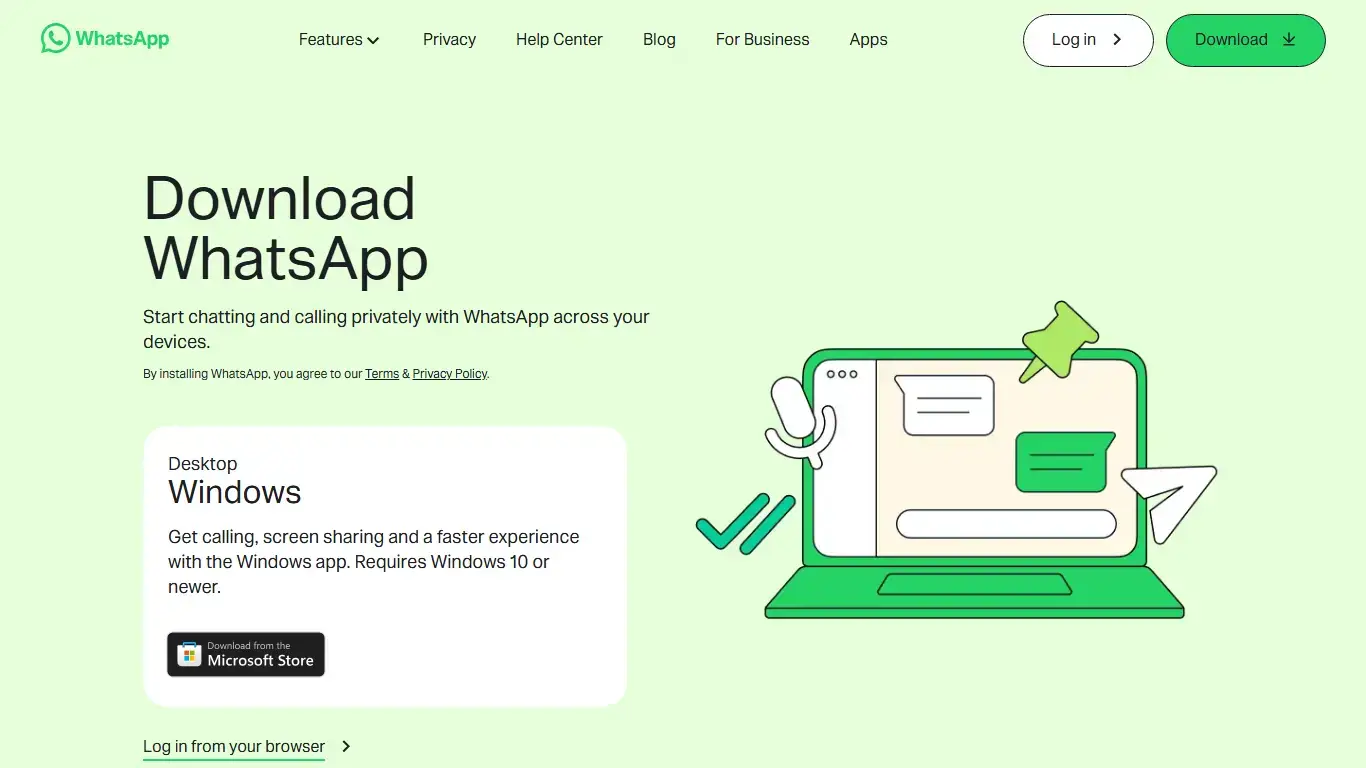
That does not mean Ubuntu users are stuck. You can still send messages, manage chats, receive browser notifications, and download files from WhatsApp Web. The main tradeoff is that Linux does not get the same official desktop app path that Windows and macOS users get.
Use WhatsApp Web first. Add a browser web app shortcut if you want a separate launcher. Try an unofficial wrapper only if you understand that it is not an official WhatsApp Linux app.
Method 1: Use WhatsApp Web in a Browser
This is the simplest and safest method. It works in Firefox, Chrome, Chromium, Brave, Edge, Opera, and other modern browsers available on Ubuntu.
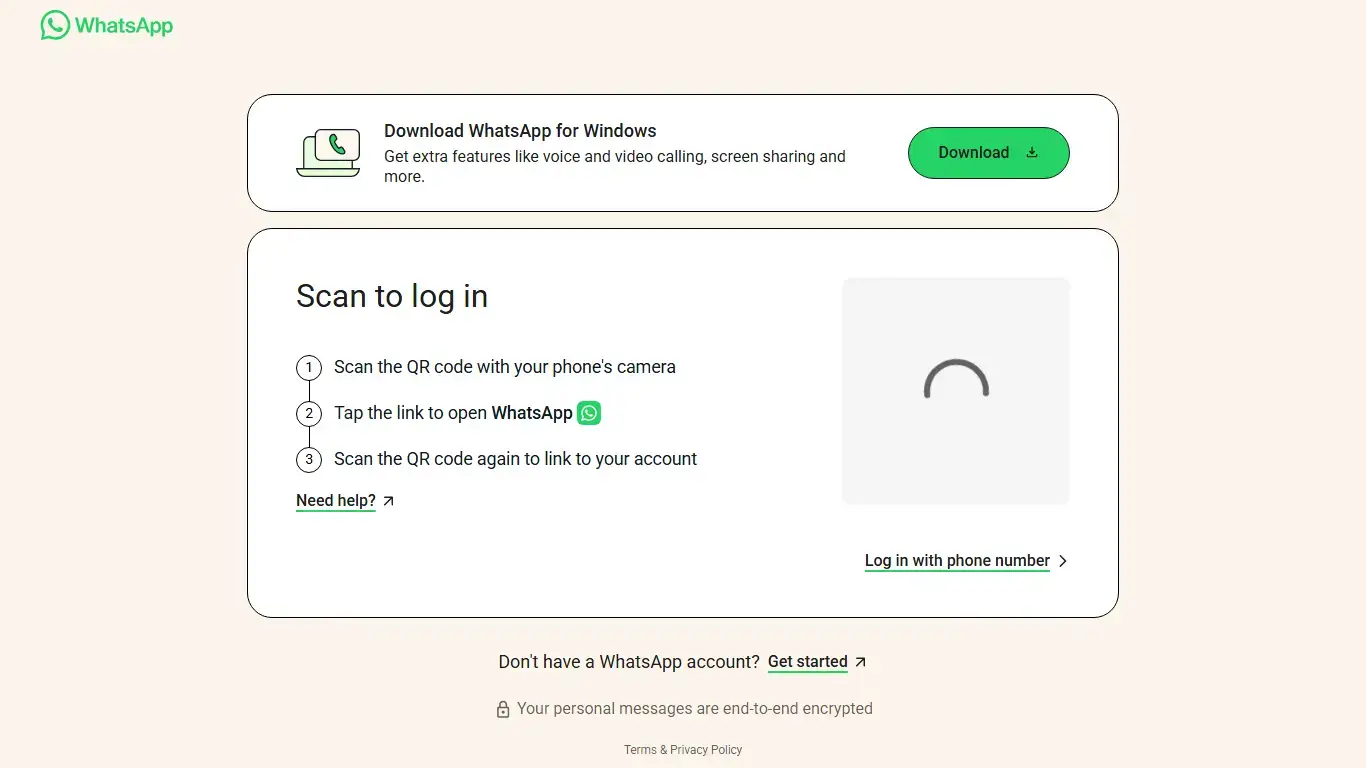
- Open your preferred browser on Ubuntu.
- Go to https://web.whatsapp.com/.
- Open WhatsApp on your phone.
- Go to Linked devices.
- Choose Link a device.
- Scan the QR code shown in your Ubuntu browser.
- Allow browser notifications if you want desktop alerts.
Note: Only scan QR codes from the official WhatsApp Web page. Do not scan WhatsApp login codes from random websites, browser extensions, or unknown desktop apps.
Method 2: Create a WhatsApp Web App Shortcut
A browser web app shortcut makes WhatsApp open in its own app-style window. This is not a native WhatsApp Linux app. It is still WhatsApp Web, but it feels cleaner than keeping WhatsApp inside a normal browser tab.
Chrome, Chromium, or Brave
- Open Chrome, Chromium, or Brave.
- Go to https://web.whatsapp.com/.
- Sign in by scanning the QR code from your phone.
- Open the browser menu in the top-right corner.
- Choose the shortcut, save, or install app option. The exact label can change by browser version.
- Name it WhatsApp.
- If your browser shows an Open as window option, enable it.
- Launch WhatsApp from your Ubuntu app menu.
Microsoft Edge
- Open Edge on Ubuntu.
- Go to https://web.whatsapp.com/.
- Open the Edge menu.
- Choose Apps, then choose Install this site as an app.
- Confirm the name and open it from your app launcher.
Tip: If your browser does not offer an install option, pin the tab or create a bookmark. WhatsApp Web still works.
Method 3: Use GNOME Web as a WhatsApp Web App
GNOME Web, also called Epiphany, can save websites as simple web apps. This fits Ubuntu users who want a separate launcher without using Chrome or Edge.
Install GNOME Web with:
sudo apt update
sudo apt install epiphany-browser
Then create the WhatsApp web app:
- Open GNOME Web.
- Go to https://web.whatsapp.com/.
- Open the menu button in the top-right corner.
- Select Install as Web App.
- Name it WhatsApp.
- Launch it from the Ubuntu Activities overview.
Note: GNOME Web is clean and lightweight, but some users may prefer Chrome, Chromium, Brave, or Edge for stronger profile management, extension support, or password manager integration.
Optional Method: Use an Unofficial WhatsApp Desktop Wrapper
Unofficial WhatsApp wrappers can give you a separate app window, tray behavior, native notifications, and a more desktop-like layout. The important detail is trust. These apps are not made by WhatsApp or Meta, and most of them wrap WhatsApp Web inside another desktop shell.
If you choose this route, prefer packages with public source code, recent updates, clear maintainers, and transparent warnings. Avoid random packages that copy the WhatsApp name without explaining who maintains them.
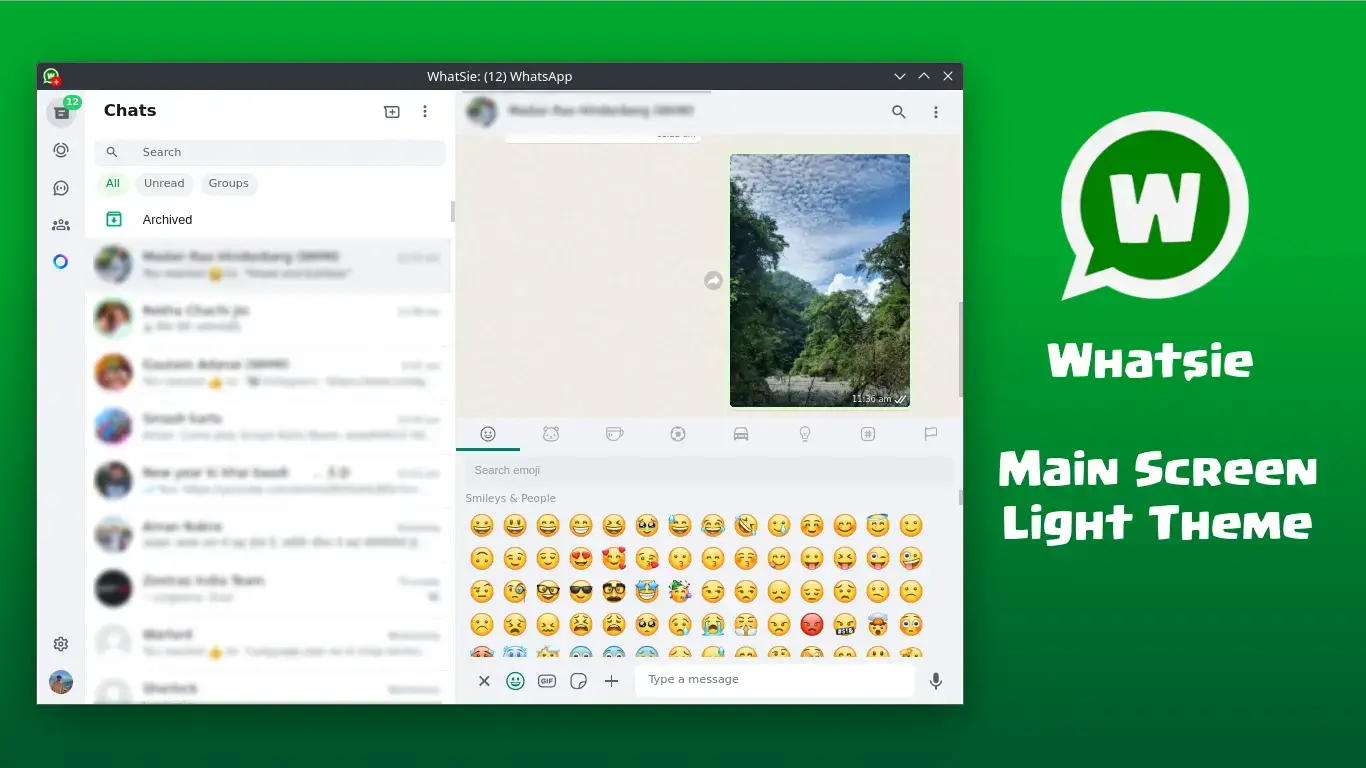
Whatsie light theme, unofficial wrapper.
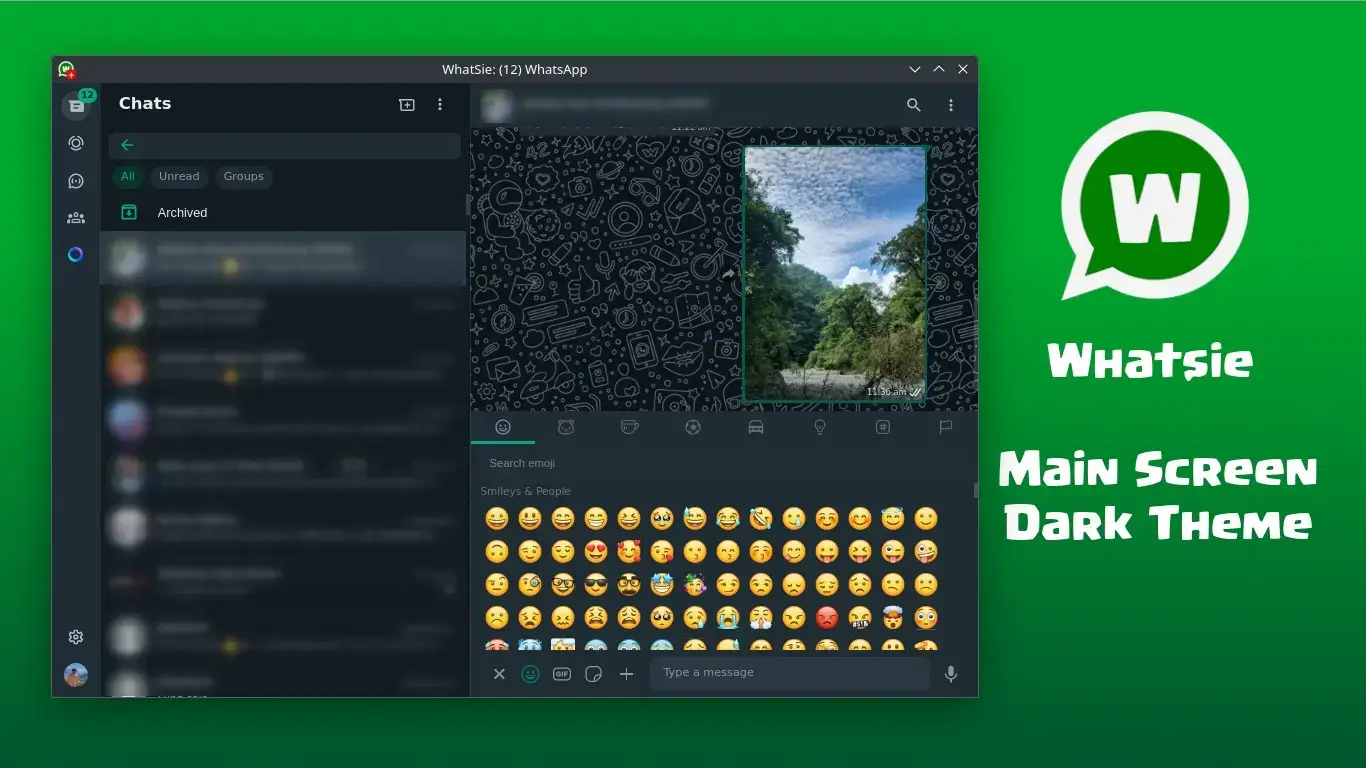
Whatsie dark theme, unofficial wrapper.
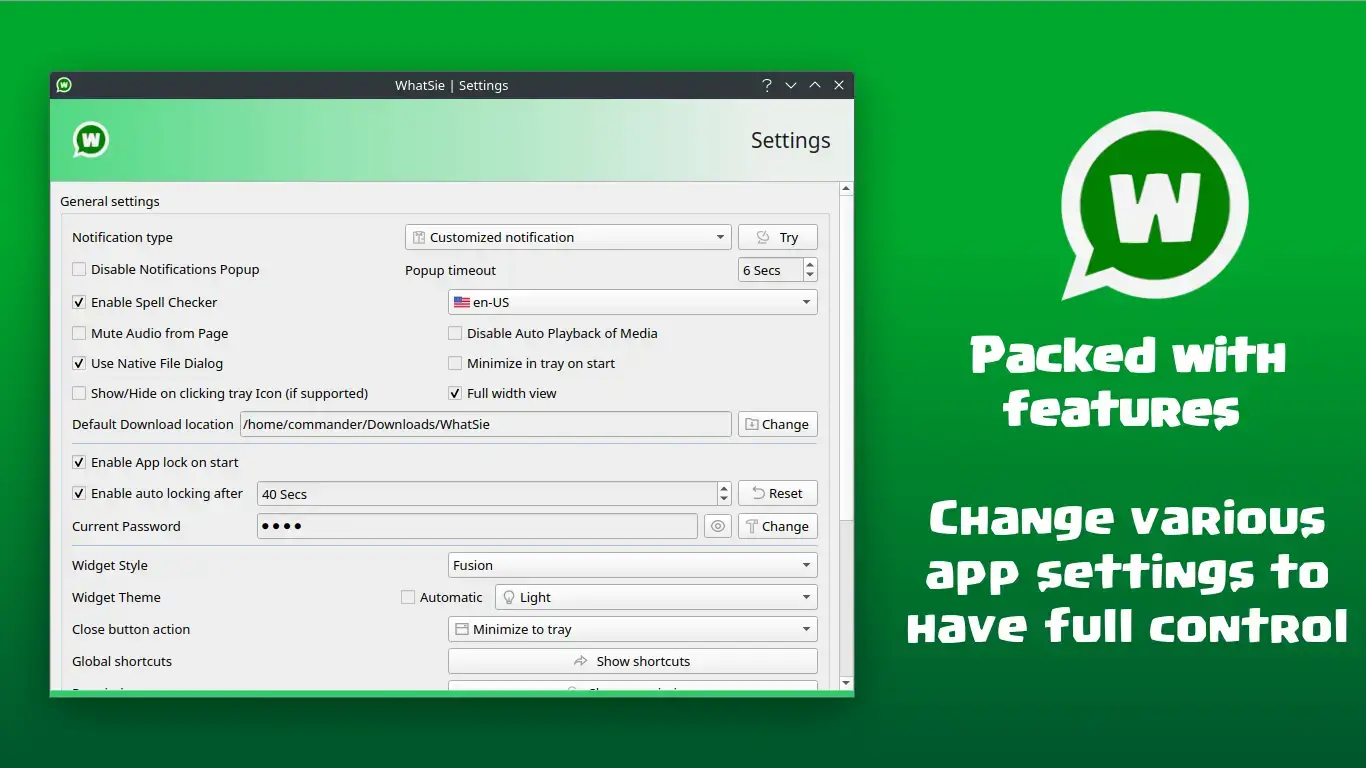
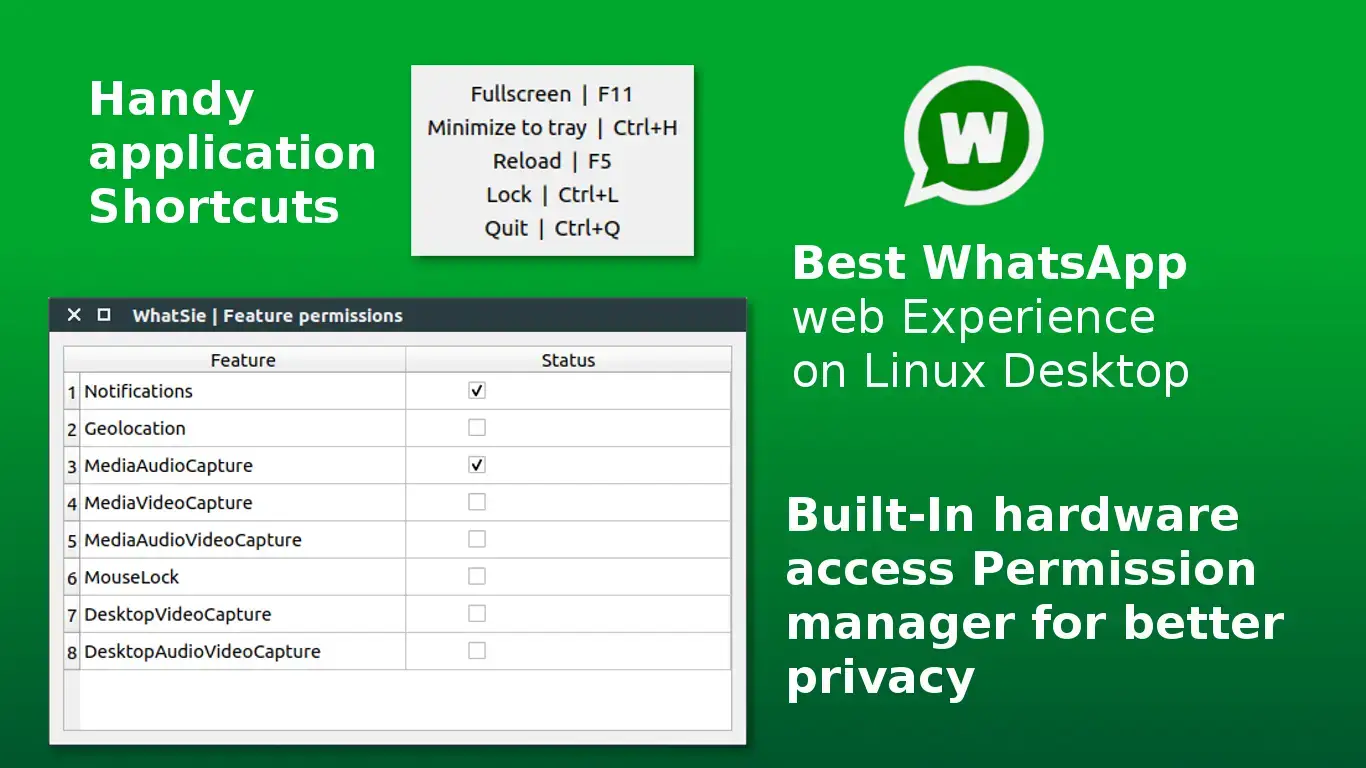
Whatsie is a third-party Linux wrapper for WhatsApp Web. Flathub currently lists it as potentially unsafe, so it should not be the default recommendation for ordinary users.
sudo apt update
sudo apt install flatpak
flatpak remote-add --if-not-exists flathub https://flathub.org/repo/flathub.flatpakrepo
flatpak install flathub com.ktechpit.whatsie
flatpak run com.ktechpit.whatsie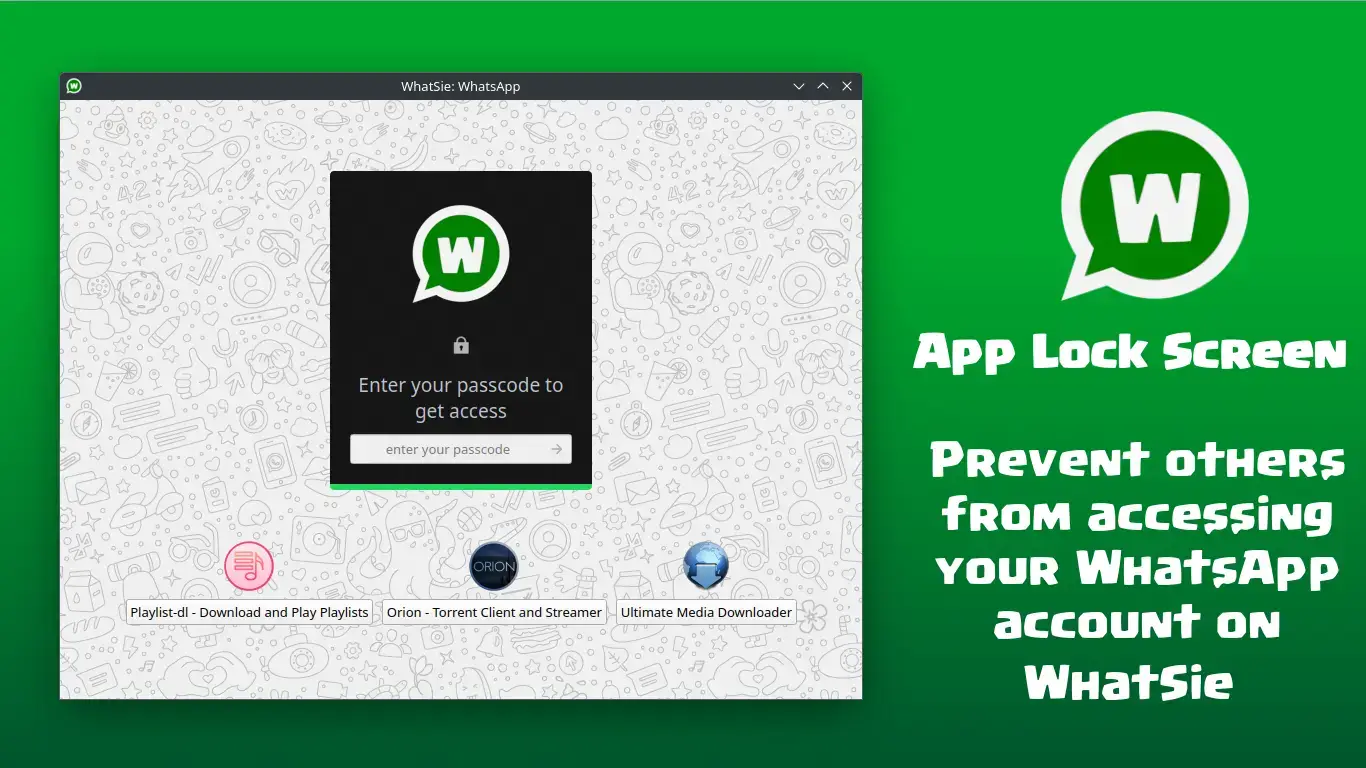
Optional Snap Wrapper
Snapcraft also lists an unofficial WhatsApp Web Desktop package. Its own description says it is not an official WhatsApp application and that it wraps WhatsApp Web.
sudo snap install unofficial-whatsapp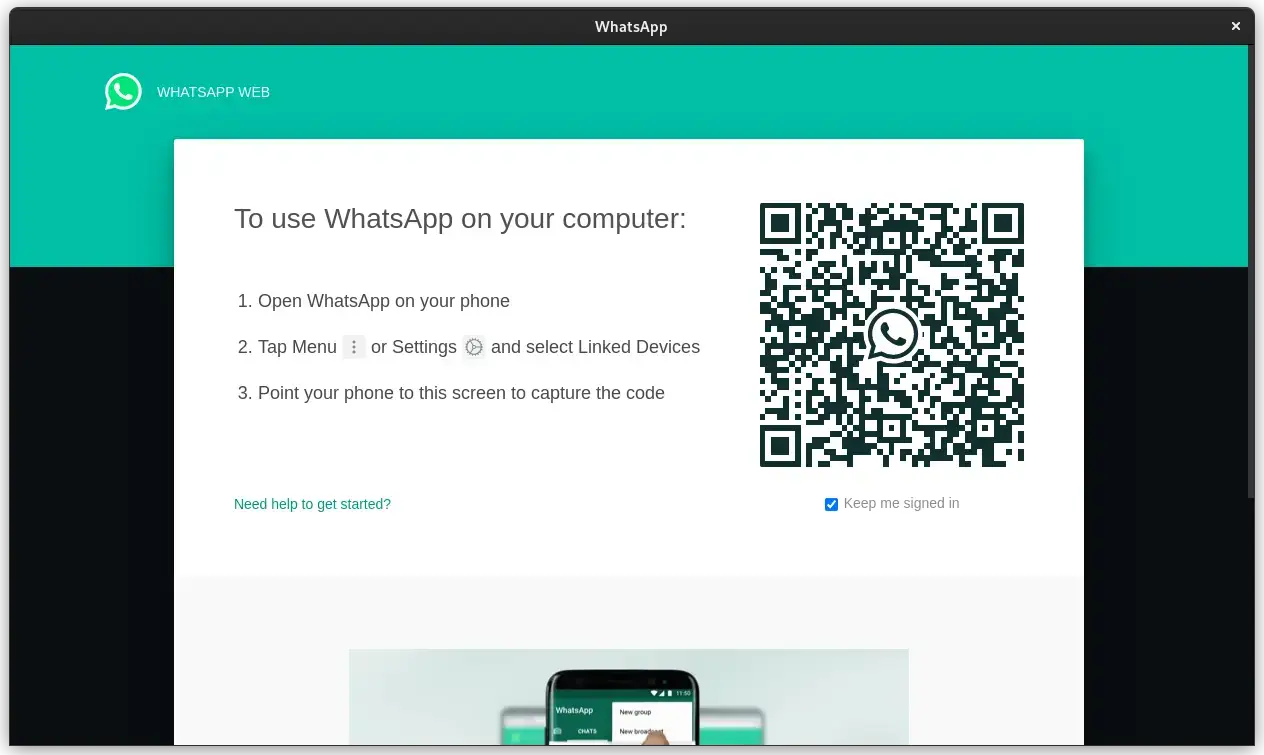
Older GitHub wrappers can look polished, but they still need the same trust check before you sign in.
Recommendation: use WhatsApp Web first. Use a wrapper only if you specifically need the extra desktop behavior and accept the unofficial trust tradeoff.
Login, Notifications, Calls, and Privacy on Ubuntu
Most WhatsApp problems on Ubuntu are browser, permission, or account-linking issues. Start with the official web route, then check the basics below.
Use WhatsApp on your phone, open Linked devices, then scan the QR code from the official WhatsApp Web page.
Allow notifications for WhatsApp Web in your browser, then check Ubuntu Settings to make sure notifications are enabled for that browser.
Downloaded photos, documents, and voice notes usually land in your browser’s download folder unless you choose a different location.
Calling support on desktop is strongest in WhatsApp’s official Windows and Mac apps. On Ubuntu, keep your phone available if calls are important.
Review linked devices from your phone. Remove old browsers, shared computers, or wrapper sessions you no longer use.
Use separate browser profiles if you manage more than one WhatsApp account. It is cleaner than mixing sessions in one browser profile.
Troubleshooting WhatsApp on Ubuntu
| Problem | What to Try |
|---|---|
| QR code will not scan | Refresh WhatsApp Web, increase screen brightness, disable browser zoom, and scan again from WhatsApp’s Linked devices screen. |
| WhatsApp Web keeps logging out | Check whether your browser clears cookies on exit. Also remove the old linked device from your phone and link it again. |
| No desktop notifications | Allow notifications in the browser, then check Ubuntu Settings and turn off Do Not Disturb while testing. |
| Calls are missing or unreliable | Use your phone for calls. WhatsApp’s official desktop calling support is aimed at Windows and macOS, while web calling behavior can vary. |
| Wrapper stops loading | Update the wrapper, restart it, or return to WhatsApp Web in the browser. Wrappers can break when WhatsApp changes its web app. |
Remove WhatsApp Wrappers from Ubuntu
If you only use WhatsApp Web in a browser, there is nothing to uninstall from Ubuntu. Remove the browser shortcut from the browser that created it, then remove the linked device from WhatsApp on your phone if you no longer use that computer.
If you installed Whatsie with Flatpak, remove it with:
flatpak uninstall com.ktechpit.whatsieIf you installed the unofficial Snap wrapper, remove it with:
sudo snap remove unofficial-whatsappRelated Ubuntu Messaging and Social Apps
If you are setting up chat, social, and browser-based apps on Ubuntu, these related guides may help:
FAQ
Can I use WhatsApp on Ubuntu?
Yes. The safest way to use WhatsApp on Ubuntu is to open WhatsApp Web in a modern browser such as Firefox, Chrome, Chromium, Brave, Edge, or Opera.
Is there an official WhatsApp desktop app for Ubuntu?
No. WhatsApp offers official desktop apps for Windows and macOS, plus WhatsApp Web in the browser, but it does not currently offer an official native Linux desktop app.
What is the best way to install WhatsApp on Ubuntu?
For most users, the best option is not a traditional install. Use WhatsApp Web in your browser, or create a browser web app shortcut so WhatsApp opens in its own desktop-style window.
Are WhatsApp Linux wrappers safe to use?
Some WhatsApp Linux wrappers are open-source and can work, but they are unofficial. Treat them as optional, check their source and package page first, and avoid any wrapper that hides who maintains it.
Can I make WhatsApp calls on Ubuntu?
WhatsApp Web is mainly useful for messages, media, and notifications. Calling support can vary by account, browser, and rollout, so keep your phone available if voice or video calls matter.
For WhatsApp on Ubuntu, the simplest setup is also the most trustworthy one.