
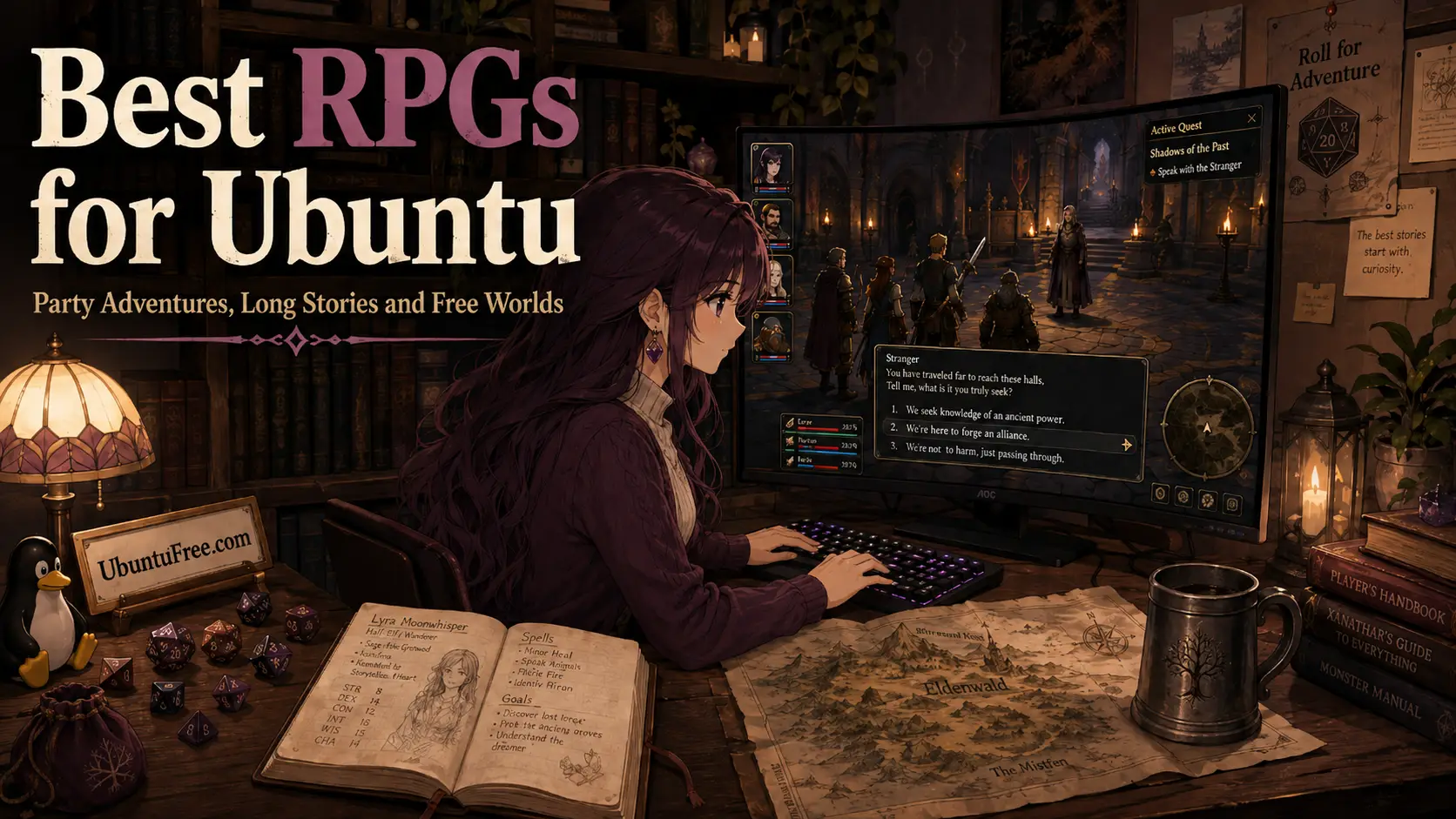
 Some of the best RPGs for Ubuntu right now are Baldur’s Gate 3, Clair Obscur: Expedition 33, Kingdom Come: Deliverance II and Guild Wars 2.
Between them you get a party who argue with your decisions, a world with one year left on the clock, a blacksmith’s son who cannot read yet, and a fantasy world that costs nothing to join. Five more games on this page are free.
We picked games where who you decide to be changes what happens to you, checked every one against the Steam store, and labelled how each of them runs. This is one part of our wider guide to the best games for Ubuntu.
Playing something we missed? Tell us in the comments, or contact us if you get stuck setting one up.
Worlds That Answer Back: RPGs Where Your Choices Change Things
These are the games that keep track of what you do. Say the wrong thing to the wrong person in hour four and you will still be paying for it in hour forty.
You build a character, gather a party of misfits, and talk, fight or sneak your way through a story that quietly remembers everything.
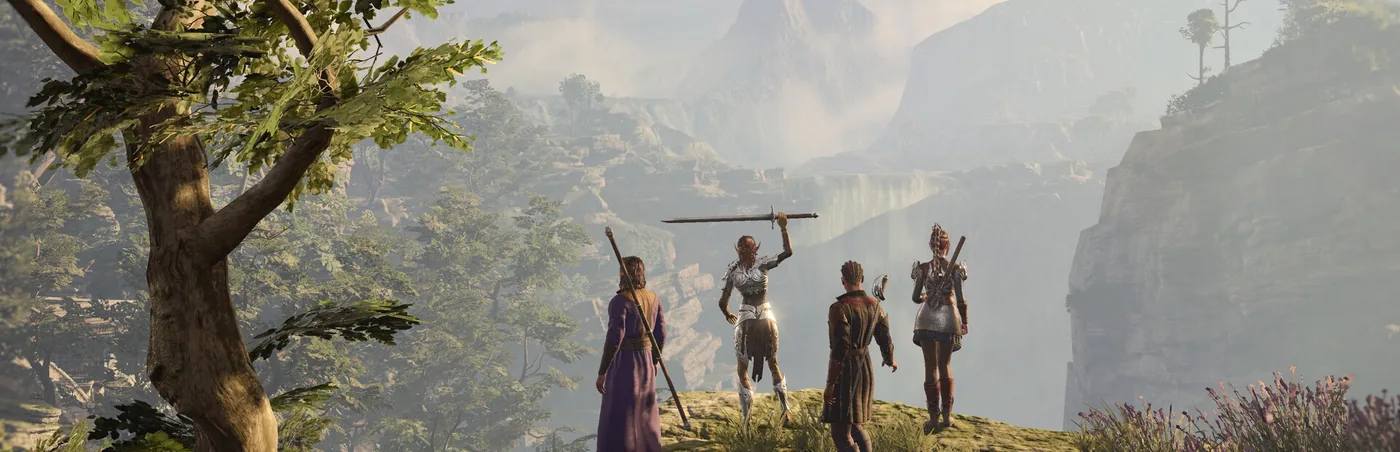
This is the one to start with if you have never played an RPG before, which sounds backwards for a game this big. It works because almost anything you try is a real option. You can talk a villain out of a fight, shove him off a cliff, or turn into a bear and settle it that way, and the game has an answer ready for all three. Your party argue with you about it afterwards. It runs beautifully on Linux and has done since launch.
You arrive in Night City as a nobody, pick where you came from, and find out how much that one choice shapes everything after it.
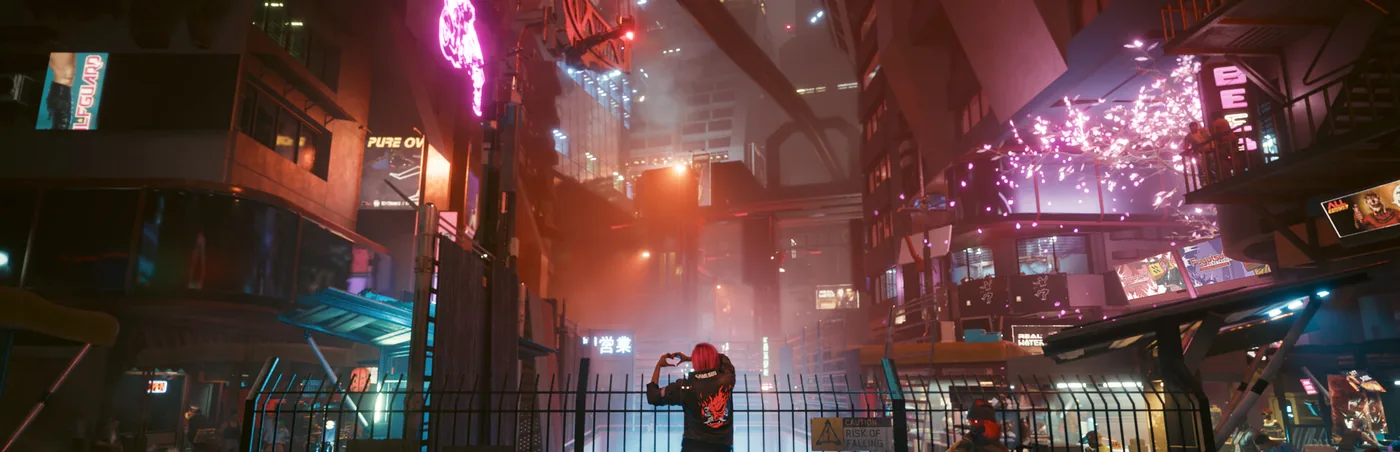
We list this game on our action page as well, and it earns a second place here for a reason. On that page it is about the shooting and the driving. Here it is about the fact that the childhood you pick at the start changes who talks to you, which jobs open up, and which of the endings you can even reach. The city is full of people with their own problems, and the game is at its best when you stop and get involved in one. Years of patches turned it into what it was meant to be.
A blacksmith’s son in 15th century Bohemia, in a world with no magic in it, where being unable to read is a genuine problem you have to fix.
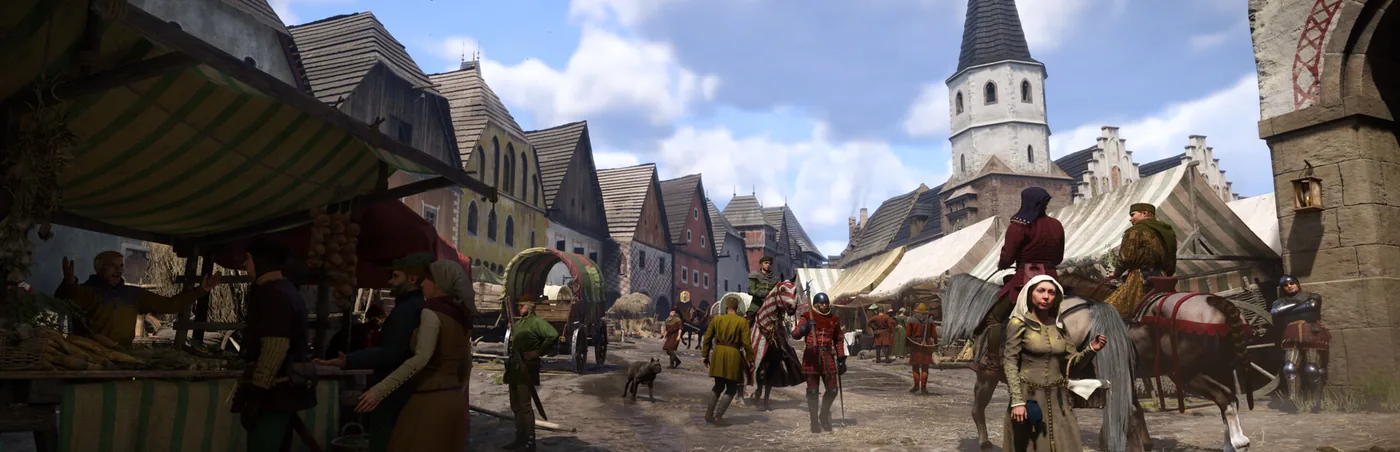
This is the most stubborn game on the page and that is the appeal. Henry starts out bad at everything, including holding a sword, and every skill has to be learned from somebody who will only teach you if they like you. Being clean matters. Being drunk matters. It sounds exhausting and it is the opposite, because by the time you can win a fight you feel like you earned it rather than levelled into it. It is also the best looking historical world anyone has built.
The 2006 Elder Scrolls game rebuilt with modern visuals, still full of guilds to join and strangers with terrible ideas.
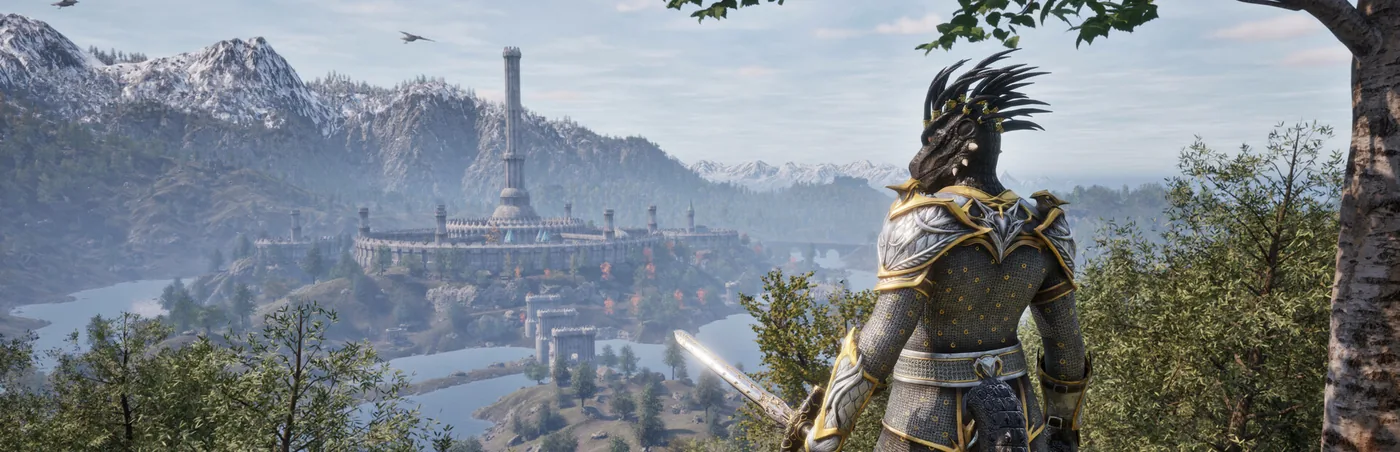
The remaster is the version to buy, and that is worth saying plainly because the original is cheaper and still on sale. The rebuild fixes the parts that aged worst, mainly the way enemies used to grow stronger alongside you and make progress feel pointless. What survives untouched is the reason people remember it: you can ignore the main story completely and spend fifty hours running the thieves guild or the arena instead. Nobody stops you.
A monster hunter takes paid work across a country that has just been through a war, and the paid work keeps turning into something harder.
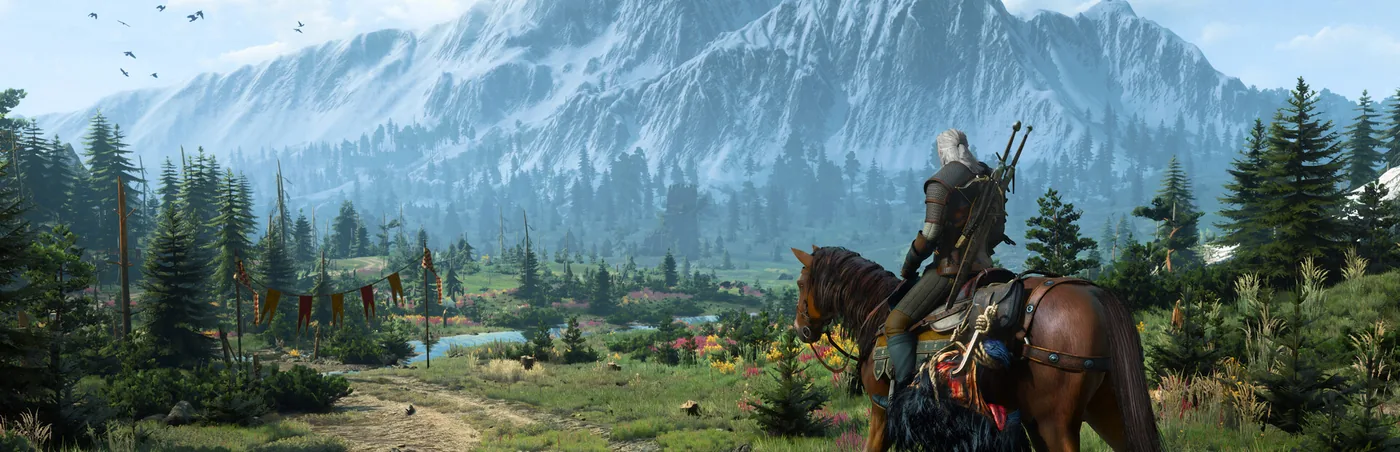
Eleven years old and still the one other games get measured against. The reason is the small jobs. A contract to kill something in a well turns into a village keeping a secret, and by the end you are choosing between two answers that both cost somebody something. Geralt is written as a professional rather than a hero, which makes those moments land harder. It also runs on modest hardware now, so it is a genuinely easy recommendation.
One Long Journey: Big Stories With a Hero Already Chosen
Here you are handed a character rather than asked to invent one. What you decide is how they grow and who they end up close to.
The middle part of the Final Fantasy VII rebuild, where the party finally leaves the city and the world opens up in front of them.
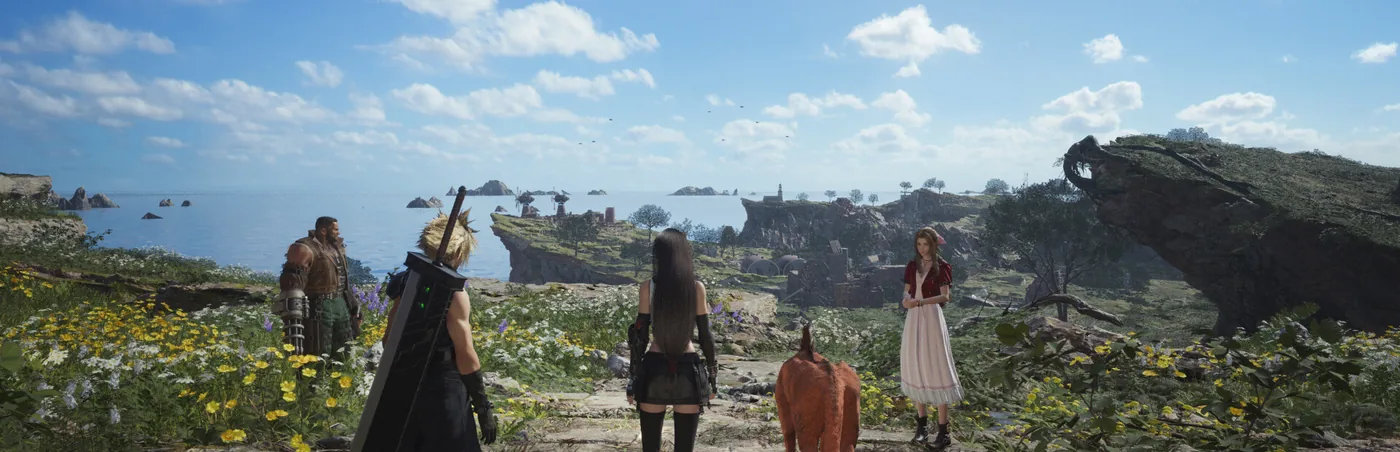
You do not need the first game to enjoy this, though it helps. What you get is an enormous world stuffed with things to do and a group of friends who are clearly enjoying each other’s company, which is rarer than it should be. The fighting is quick but you can pause it any time you need to think. It is generous to the point of being silly, and the last few hours are the most talked about ending of the last five years.
A mercenary captain fights to hold his company together across a continent at war, in the newest big budget RPG on this page.
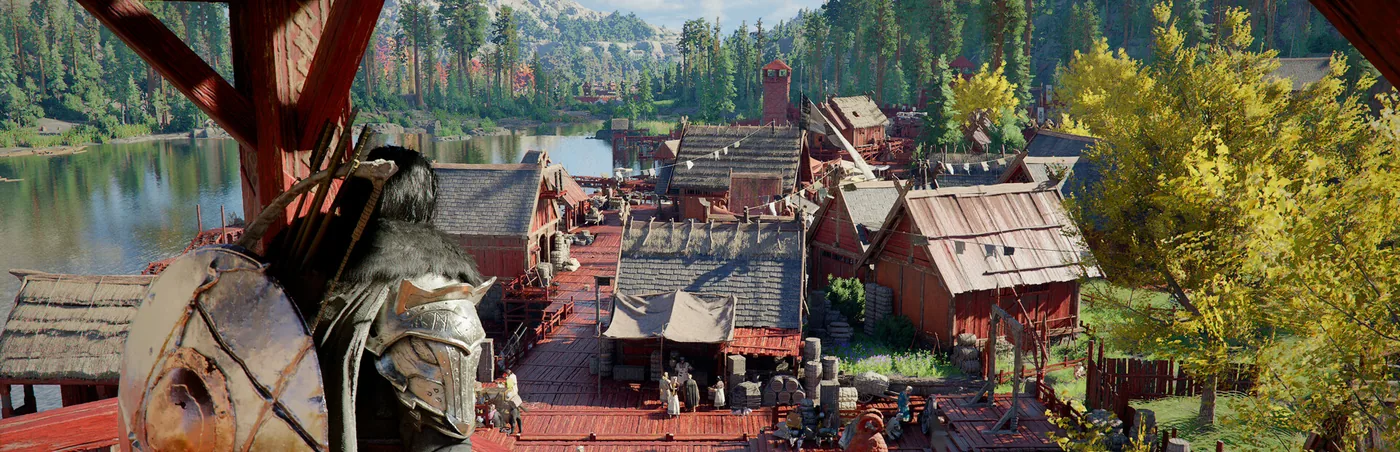
This came out in March 2026 and it is the freshest thing here. It is a game about weight: fights are slow and physical, weather changes what you can do, and climbing somewhere high takes actual effort rather than a button. The world is huge and it does not hold your hand about where to go in it. Reports settled at Gold on Linux with a lot of players behind that rating, which is unusual for a game this new.
Two ageing men with nothing left to lose end up in Hawaii, and the game is by turns very funny and completely sincere about it.
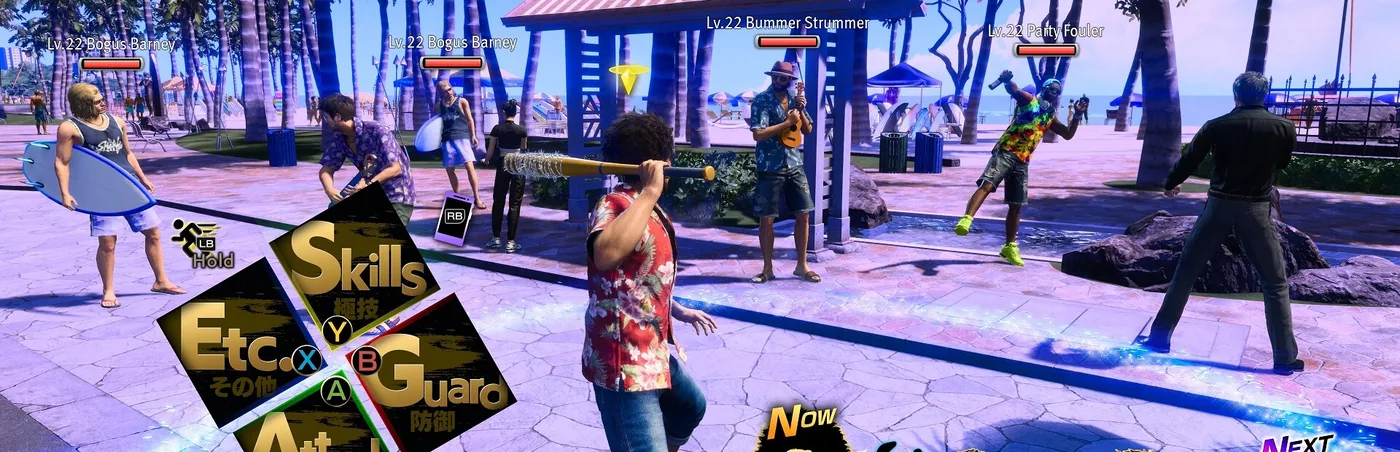
Nothing else manages this mix. One minute you are in a serious conversation about growing old and dying badly, the next you are running a rubbish collection minigame or managing an island resort. It should not hold together and it absolutely does, because the writing takes both halves seriously. Fights are the stop and think kind, so nothing depends on your reflexes. It is also frequently very cheap.
Stop and Think: RPGs You Play at Your Own Speed
Nothing in this group happens until you press the button. Fights wait for you, which makes them the friendliest games here for anyone who does not want quick reactions to be the deciding factor.
Every year a painted figure writes a number on a monolith, and everyone that age dies. This year the number is 33, and a group sets out to stop it.
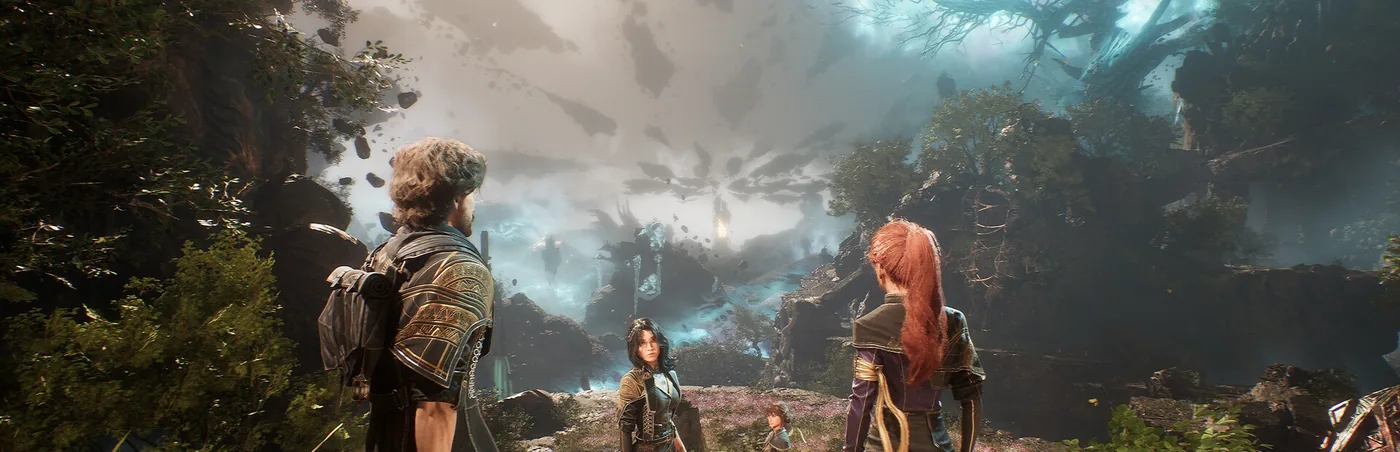
The best new RPG of the last two years and it came from a team of about thirty people. Fights are the kind where you pick your move and wait, except you also dodge and parry in real time when it is the enemy’s turn, so you are never just watching. It looks like nothing else, the music is extraordinary, and the story earns its ending rather than shocking you into one. If you only take one game from this page, take this.
A fantasy kingdom holds an election for its next ruler, and you are the outsider candidate nobody expects to survive the campaign.
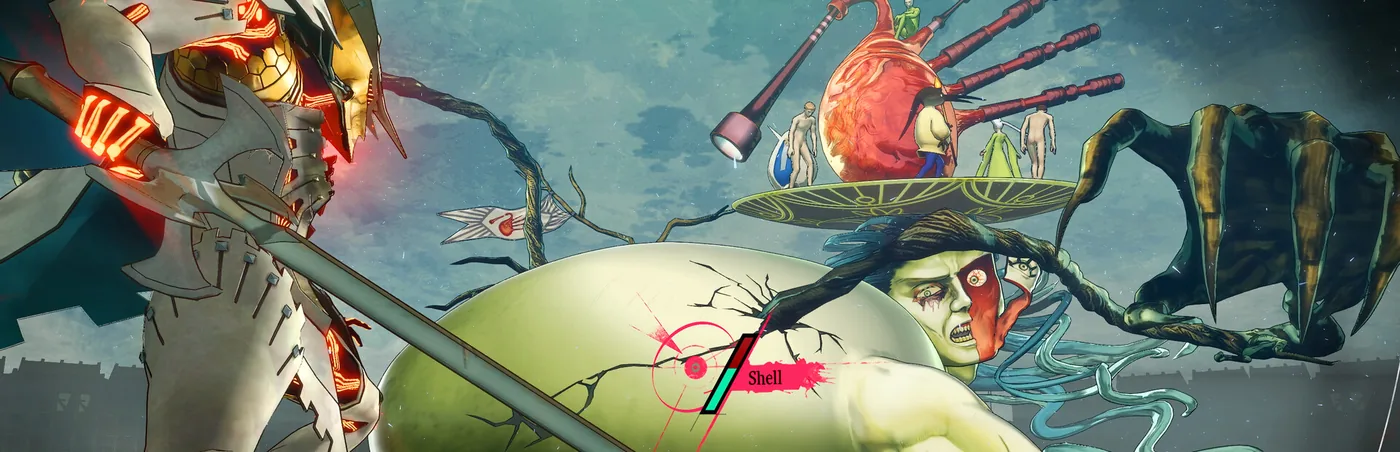
From the team behind Persona, and it takes their best idea somewhere new. Your days are split between travelling, fighting, and simply talking to people, and the friendships you invest in make you stronger in a way that actually makes sense in the story. The election framing gives the whole thing urgency that most fantasy games lack. It looks superb and it is one of the most reliable Proton titles on this page.
A group of Tokyo students spend their days at school and their nights breaking into the minds of adults who have done real harm.
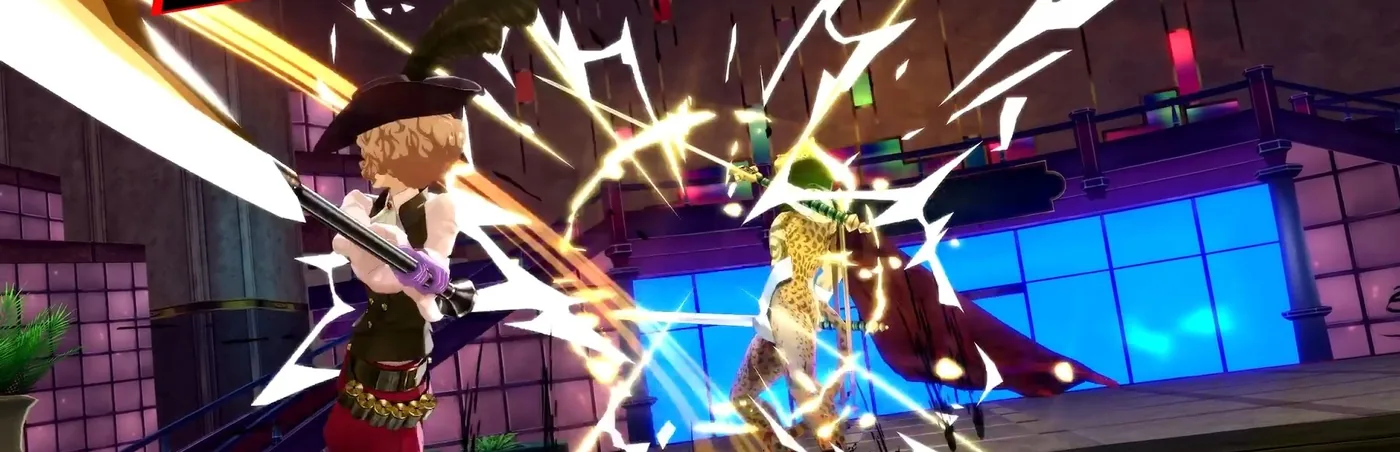
The style is the first thing people mention and the school year is the reason it sticks. You have a limited number of days, so time spent getting better at cooking is time not spent with a friend, and the game never lets you have everything. That pressure makes small decisions feel weighty. Royal is the complete version with an extra term added on. It is long, and it is worth it.
Four prisoners with magic they are not allowed to have escape a ship, and what happens next is almost entirely up to you.
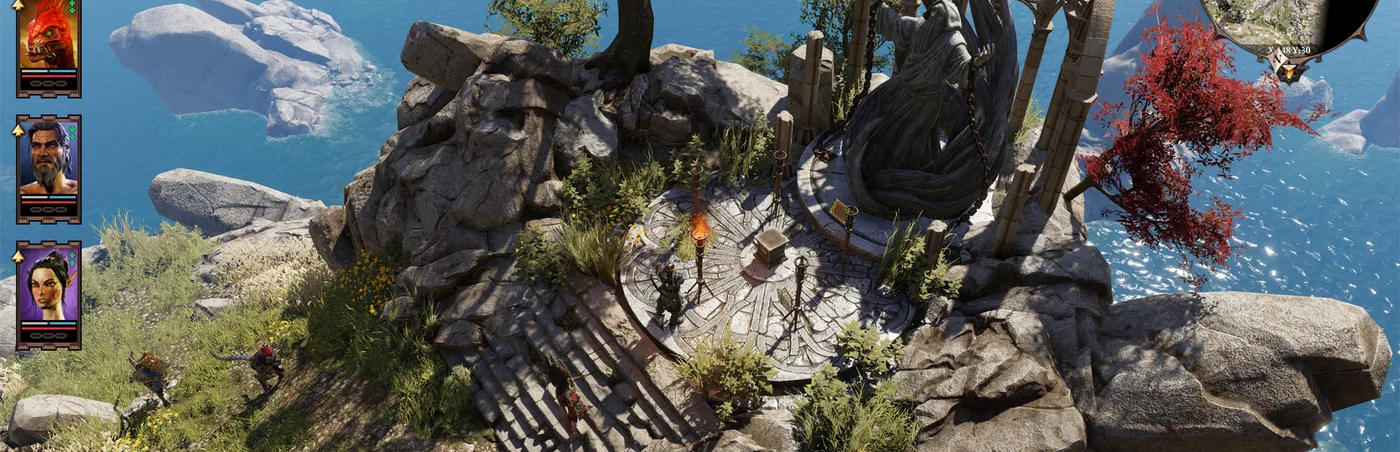
The game that made Baldur’s Gate 3 possible, and in some ways it is still the more inventive of the two. Fights take place on a map you can set on fire, freeze, or electrify, and the game encourages every stupid idea you have. You can play the whole thing with a friend, including the part where you both want different endings. It is older and slightly rougher around the edges, and it is still one of the finest RPGs ever made.
Solo or Shared: RPGs That Work Either Way
All three of these are complete on your own, and all three let a friend drop in later if you want that. Nothing here needs a group to be worth playing.
A dark, unhappy world seen from just above your character’s head, where you clear it out one room at a time and get steadily stronger.
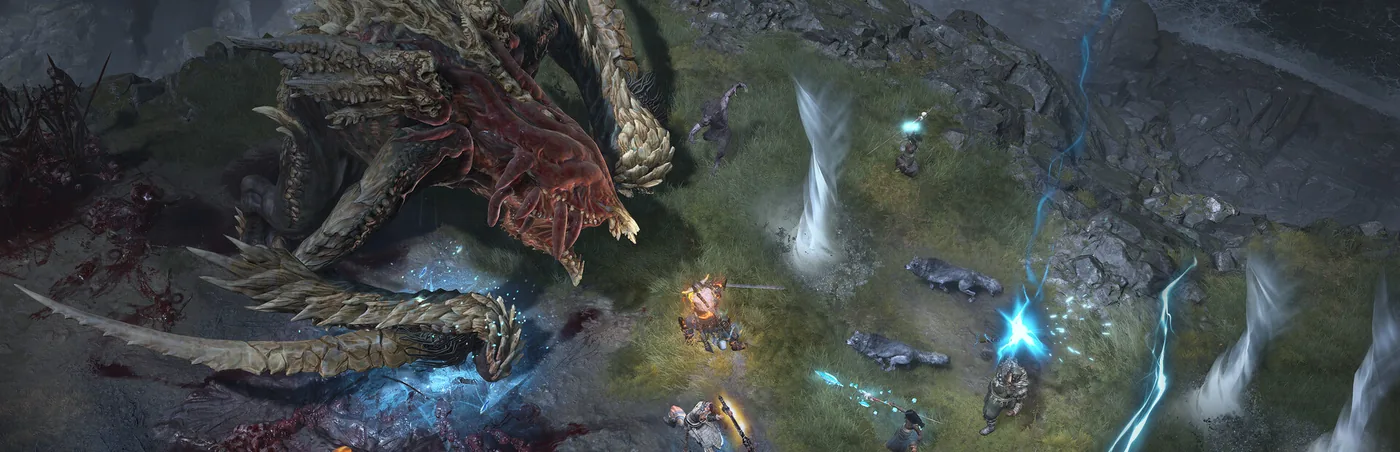
This is the comfortable one. You pick a class, you head out, and the loop of finding better gear and watching your damage numbers climb is as satisfying as it has always been. The story is grim and well acted, and there is a steady stream of new seasons if you want a reason to come back. It asks a fair bit of a graphics card, which is why we have put a streaming option on it.
The same kind of game as Diablo, built by a smaller team, with time travel as the excuse for visiting the same places in different eras.
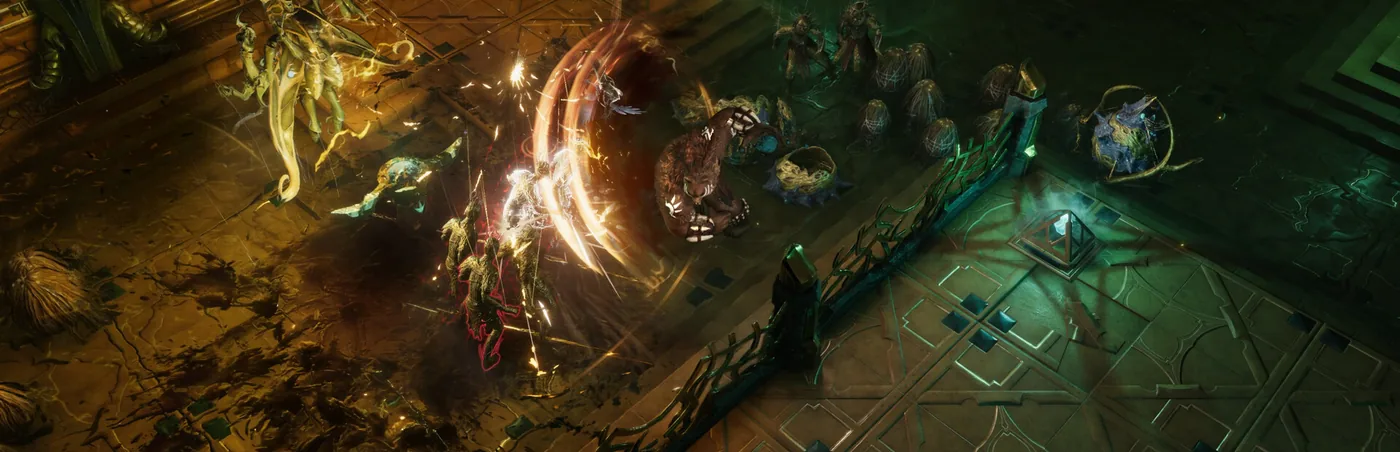
This is the friendlier option of the two. It explains its own systems properly, it lets you change your mind about your character without starting again, and it runs happily on a laptop that would struggle elsewhere. There is an offline mode, which matters if your connection is not reliable. It has been getting steady updates for years and shows no sign of stopping.
You track enormous animals across a living desert, study how they move, and slowly learn to beat them without the game ever explaining how.
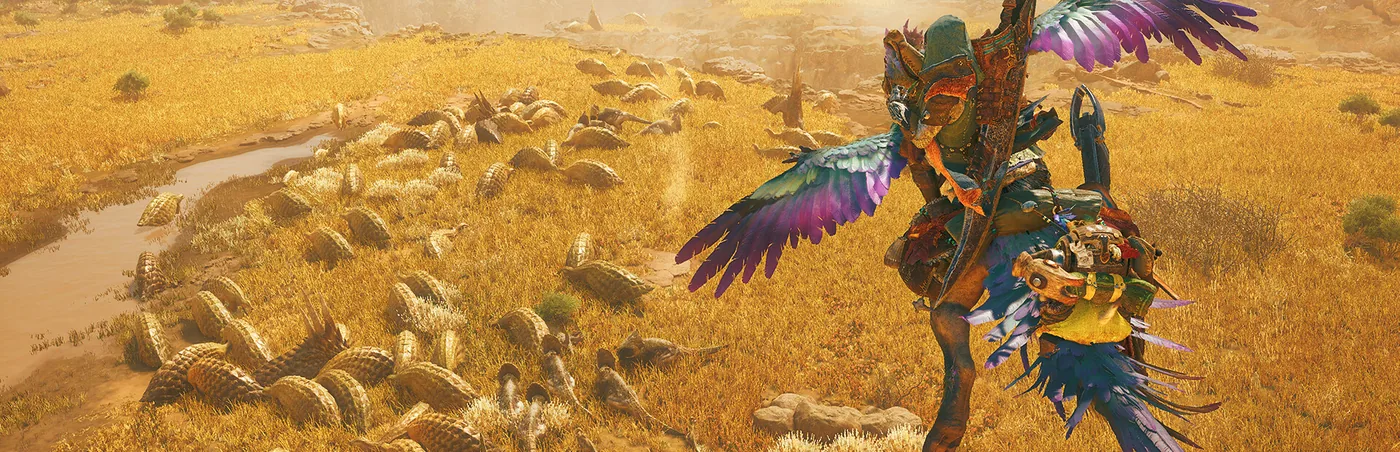
Every hunt is a small research project. The first time you meet something you lose, and you go away and change your kit and come back and lose less. Doing that on your own is fine, and doing it with three other people is where most of the stories come from. It is the most demanding game on this page by a distance, so check what your machine can manage before buying.
Note: Boosteroid lists this one as not optimised, so streaming it is likely to be a rougher ride than the other games on this page.
Smaller Worlds: Shorter RPGs That Still Land
Not every good RPG asks for a hundred hours. These four are finished pieces of work at a size you can actually see the end of, and they run on almost anything.
Two children born to control the sun and the moon set out on a hand drawn adventure that looks like the best game you remember from 1995.
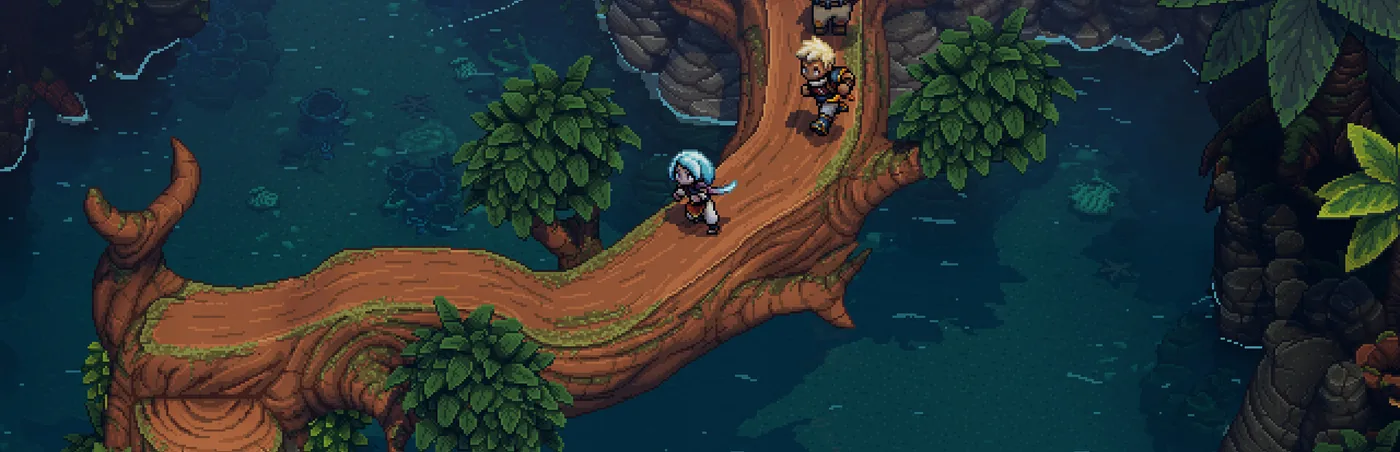
It is a love letter to a particular kind of old game, and it is far more than a copy. Fights ask you to press a button at the right moment to strengthen a hit, which keeps you paying attention without needing quick reactions. There is no wasted time in it, no busywork, and the map is a pleasure to move around. The Sunset Edition adds a whole extra chunk for free.
You are an escaped worker in a mind built from a copied human, scraping a living on the edge of a system that wants you back.
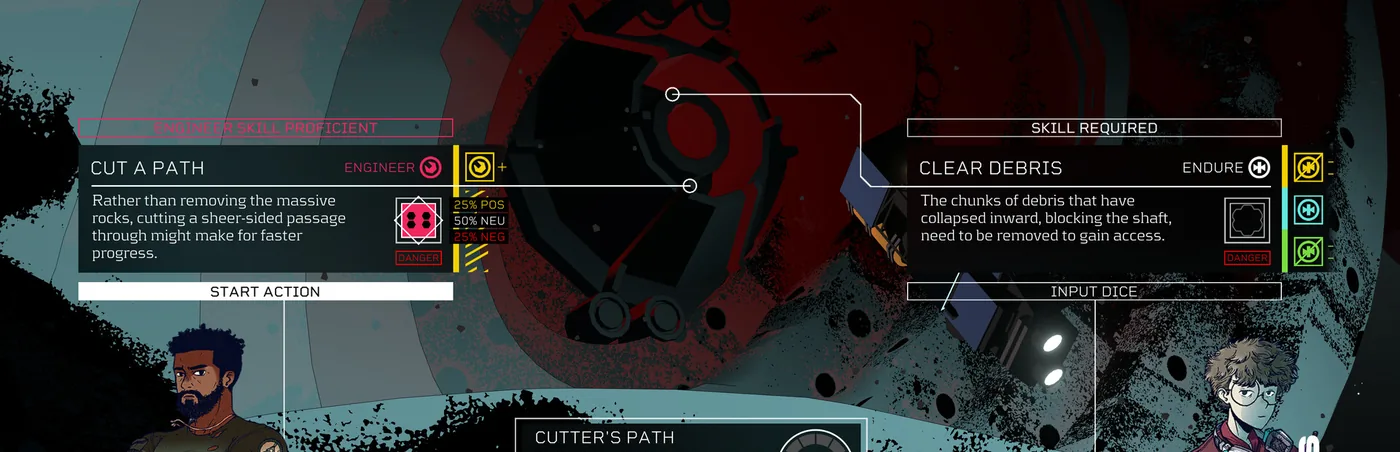
Each day you get a handful of dice, and each thing you want to do costs one. A bad roll means a bad day, and the game is honest about that instead of letting you retry. It reads more than it plays, and the writing is worth it: this is science fiction about debt, work and staying alive, and it treats the reader as an adult. It is short, sharp and unlike anything else on this page.
A player inside a fictional online game wakes up unable to speak, and has to work out who she is from the inside of somebody else’s world.
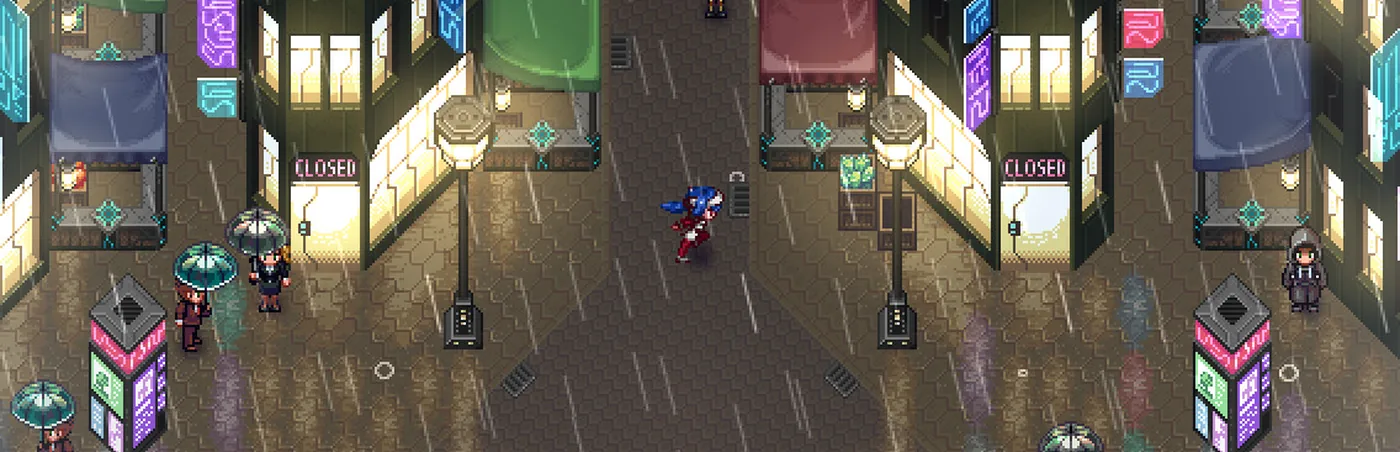
A proper Linux release, no compatibility layer needed, and it is enormous for the price. The fights are quick and physical, the puzzles are genuinely hard, and the setting lets it be funny about online games without being cynical. It is one of the most complete indie RPGs anyone has made and it still gets overlooked. Buy it on sale and it costs less than lunch.
A war between three kingdoms, told through a group of people who mostly did not want to be involved, in a game made largely by one person.
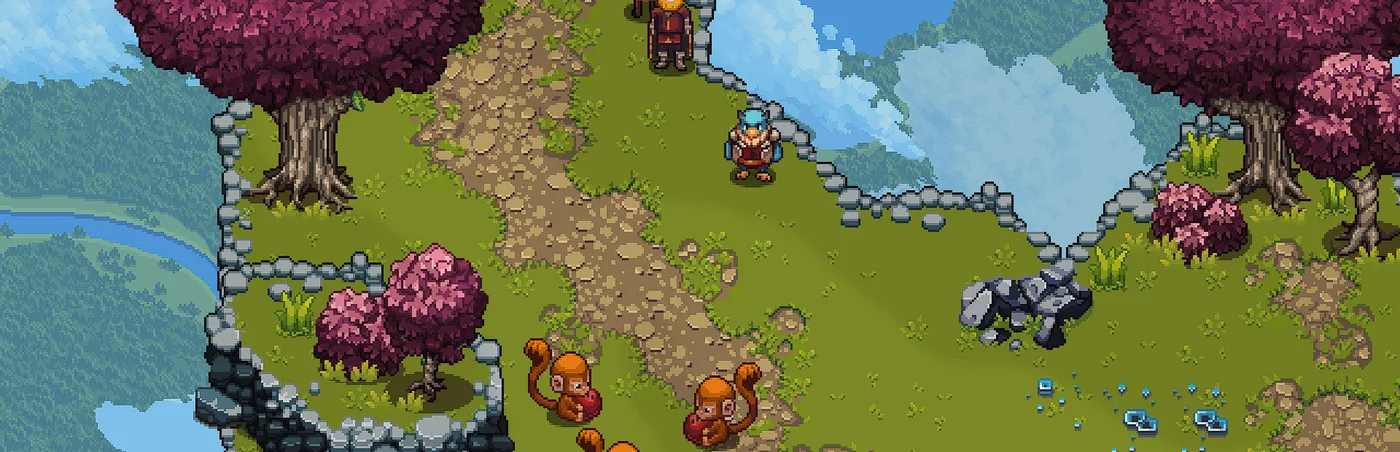
It was built over seven years by a single developer and you would never guess. Fights use a clever balance meter that stops you repeating the same strong move, so every turn asks something of you. There is no busywork, no filler, and the story goes to some genuinely dark places without wallowing. It runs natively on Linux and will start on almost anything you own.
Free to Start: RPGs That Cost Nothing to Try
Five games you can install tonight without paying anything. All five make their money later, from cosmetics or expansions, and none of them lock the main story behind a wall on day one.
A large shared fantasy world you can play alone, where the whole map turns up to deal with whatever is happening rather than queuing for it.
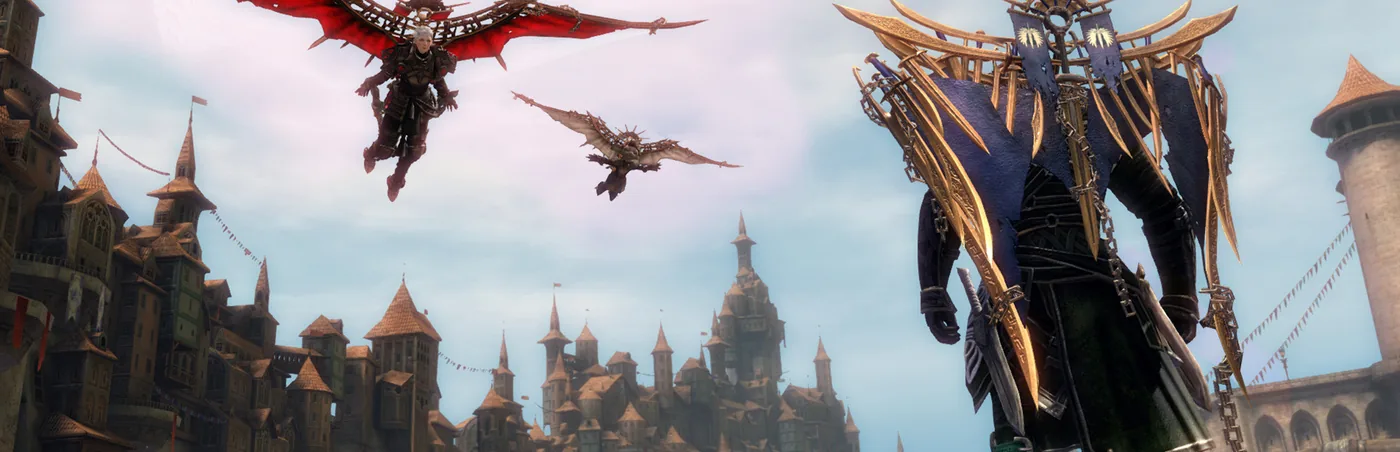
The best free starting point here. There is no monthly fee, ever, and the base game plus a lot of what came after costs nothing. What makes it unusual is that everyone nearby is on your side by default, so you never compete for the thing you are both trying to kill. You can play hundreds of hours before you are ever asked for money, and it is one of the smoothest Proton titles on this page.
A bleak, enormous action RPG where you fight your way across a cursed continent and shape your character in almost any direction you like.
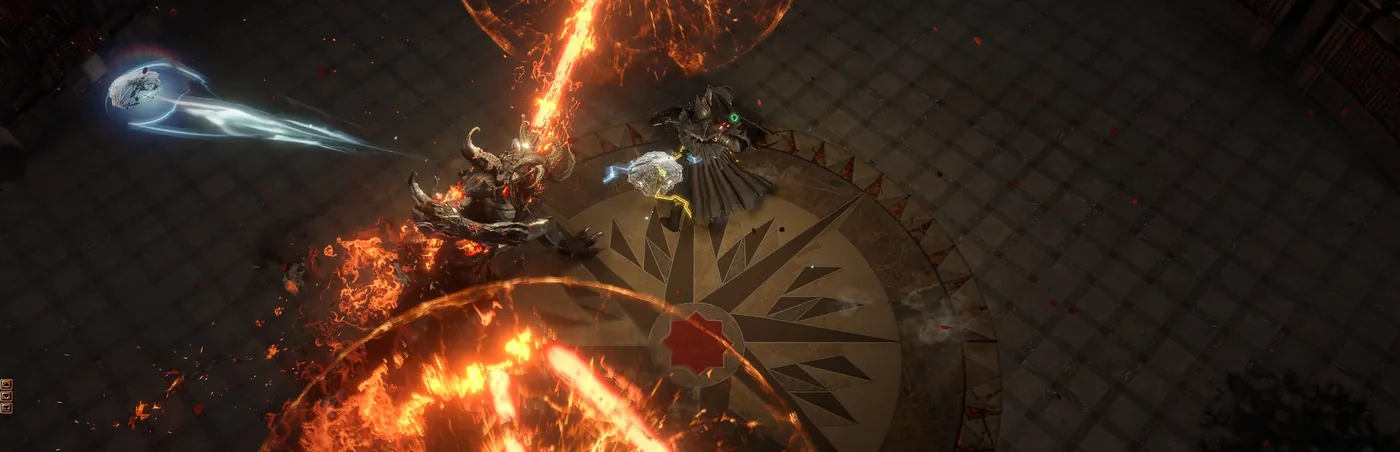
This is the deep end and it is free. It gives you more freedom over how your character develops than anything else here, which is either the appeal or the reason to pick Last Epoch instead. Nothing you can buy makes you stronger, so the money side is honest. New seasons land regularly and the community around it is enormous, which means help is easy to find when you want it.
Eight separate Star Wars stories set thousands of years before the films, each with its own voice acting and its own ending.
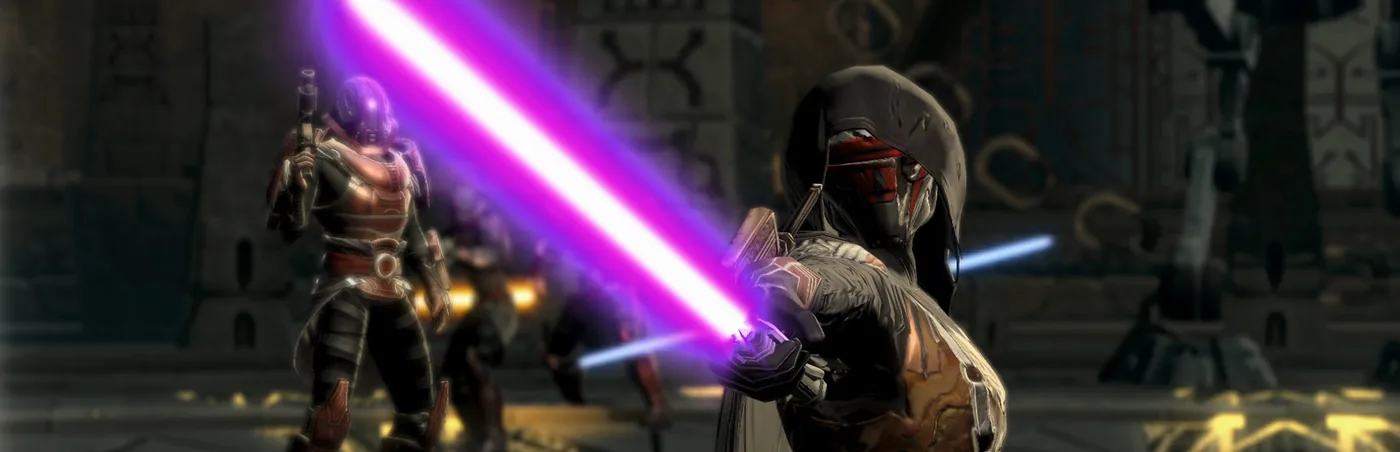
Play it for the stories and ignore the rest. Each of the eight classes has a full campaign written for it, and the imperial agent one in particular is better than most paid games. All of that is free. It is fifteen years old and it still gets updates, and it runs on Linux without complaint. Treat it as eight single player games that happen to share a world.
A shared medieval world with a proper Linux version, where players make nearly everything that exists in it.
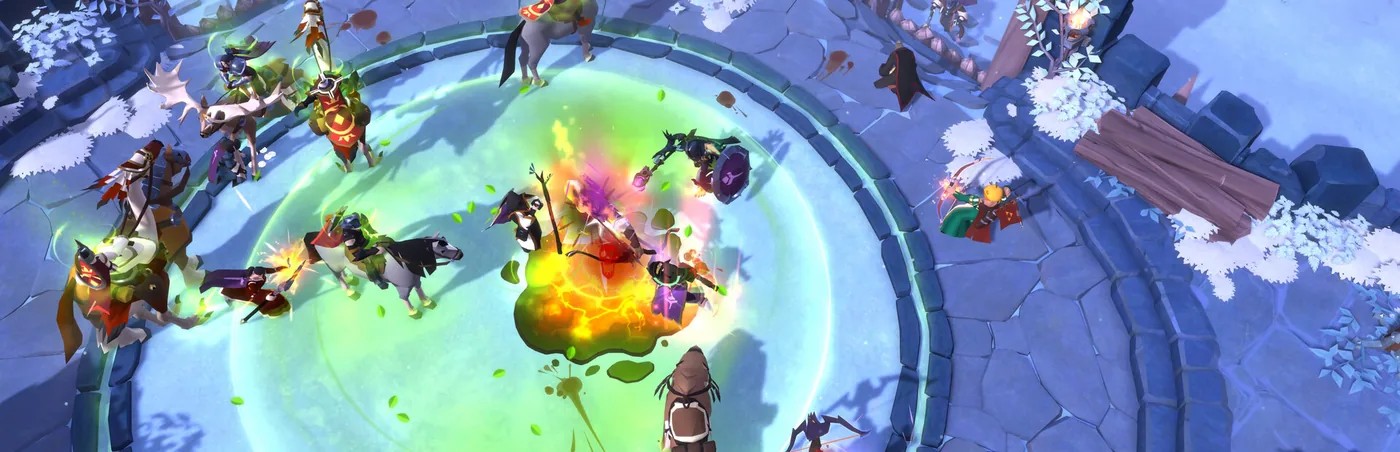
The rare thing here is the proper Linux version: no compatibility layer, no tinkering, it just runs. There are no fixed classes, so what you can do is decided by what you are wearing at the time, and you can change your mind whenever you like. Almost every item in the game was made by another player, which gives the economy real weight. It is free to start and it is happy on old hardware.
You control a fast, quiet suit of armour on missions across a solar system, and the story turns out to be far stranger than the opening suggests.
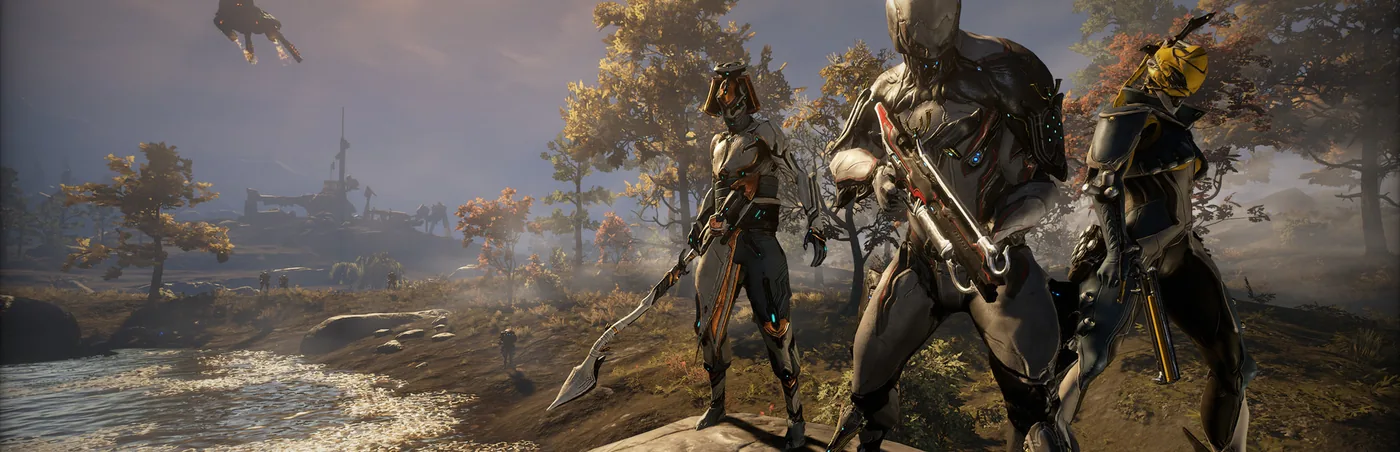
Give it a few hours before you judge it. The first stretch is a fairly ordinary shooter, and then it opens into something with a genuinely odd and well told story behind it. Movement is the best part: once it clicks you are sprinting along walls and never touching the ground. It has been free and generously updated for thirteen years, and nothing worth having is locked behind payment.
All 24 RPGs Compared
Every game on this page in one place, with how it runs, roughly how long it takes and what it costs.
Open the full comparison table
| # | Game | Style | How it runs | Time to finish | On cloud | Price |
|---|---|---|---|---|---|---|
| 01 | Baldur’s Gate 3 | Party adventure | Proton, Gold | About 100 hours | Yes | Paid |
| 02 | Cyberpunk 2077 | City story | Proton, Gold | About 60 hours | Yes | Paid |
| 03 | Kingdom Come: Deliverance II | Historical life | Proton, Platinum | About 80 hours | Yes | Paid |
| 04 | The Elder Scrolls IV: Oblivion Remastered | Open world fantasy | Proton, Platinum | About 60 hours | Yes | Paid |
| 05 | The Witcher 3: Wild Hunt | Monster hunting | Proton, Platinum | About 100 hours | Yes | Paid |
| 06 | FINAL FANTASY VII REBIRTH | Story adventure | Proton, Gold | About 80 hours | Yes | Paid |
| 07 | Crimson Desert | Open world action RPG | Proton, Gold | About 60 hours | Yes | Paid |
| 08 | Like a Dragon: Infinite Wealth | Comedy drama RPG | Proton, Platinum | About 65 hours | Yes | Paid |
| 09 | Clair Obscur: Expedition 33 | Story with tactical fights | Proton, Platinum | About 35 hours | Yes | Paid |
| 10 | Metaphor: ReFantazio | Fantasy with a calendar | Proton, Platinum | About 75 hours | Yes | Paid |
| 11 | Persona 5 Royal | Modern day fantasy | Proton, Platinum | About 100 hours | Yes | Paid |
| 12 | Divinity: Original Sin 2 – Definitive Edition | Tactical party RPG | Proton, Gold | About 90 hours | Yes | Paid |
| 13 | Diablo IV | Action RPG | Proton, Gold | About 30 hours for the story | Yes | Paid |
| 14 | Last Epoch | Action RPG | Proton, Platinum | About 25 hours for the story | Yes | Paid |
| 15 | Monster Hunter Wilds | Hunting | Proton, Gold | About 30 hours for the story | Yes | Paid |
| 16 | Sea of Stars: Sunset Edition | Hand drawn adventure | Proton, Platinum | About 30 hours | Yes | Paid |
| 17 | Citizen Sleeper 2: Starward Vector | Science fiction survival | Proton, Platinum | About 15 hours | No | Paid |
| 18 | CrossCode | Action RPG | Native Linux | About 40 hours | No | Paid |
| 19 | Chained Echoes | Turn by turn adventure | Native Linux | About 35 hours | No | Paid |
| 20 | Guild Wars 2® | Shared fantasy world | Proton, Platinum | Ongoing | Yes | Free |
| 21 | Path of Exile | Action RPG | Proton, Gold | Ongoing | Yes | Free |
| 22 | STAR WARS™: The Old Republic™ | Star Wars story RPG | Proton, Platinum | About 40 hours per story | Yes | Free |
| 23 | Albion Online | Shared medieval world | Native Linux | Ongoing | No | Free |
| 24 | Warframe | Science fiction action RPG | Proton, Gold | Ongoing | No | Free |
How We Picked, and What the Labels Mean
The rule for this page is simple: who you decide to be has to change what happens to you. Every game was checked against the Steam store on the day of writing, nothing unreleased made the list, and we read the compatibility reports for each one rather than assuming. We also kept older games that are still looked after, because a good story does not stop working when the updates slow down.
Native Linux
There is a real Linux version. Install it and play. Nothing to set up.
Runs via Proton
A Windows game running through Steam’s built in compatibility layer. One setting turns it on.
Also on cloud
You can stream it (cloud gaming) instead of installing it. We checked all 24 by hand.
Free to play
Costs nothing to start. Five games on this list qualify.
Proton is already part of Steam, so most of these need nothing more than a tick in the settings. If Steam is not on your machine yet, our guide to installing Steam on Ubuntu covers every method and takes about five minutes.
Frequently Asked Questions
Do RPGs work on Ubuntu without Windows?
Yes. Three games on this list have proper Linux versions and need nothing extra: CrossCode, Chained Echoes and Albion Online. The other twenty one run through Proton, which is built into Steam and takes one tick in the settings to switch on. Every one of them is rated Gold or Platinum by other Linux players, so there is nothing here that needs a Windows partition.
Are there any free RPGs for Ubuntu?
Five on this list cost nothing to start. Guild Wars 2 is the easiest to recommend because it has never had a monthly fee. Path of Exile is the deepest. Star Wars: The Old Republic gives you eight separate story campaigns for free. Albion Online has a proper Linux version, and Warframe has been free and updated for thirteen years.
What is the difference between this list and your action games list?
An action game asks how well you fight. An RPG asks who you decide to be, and then answers. That is why Elden Ring and Ghost of Tsushima stay on the action page, because what your choices change there is how you win a fight rather than what happens to you. Cyberpunk 2077 is the one game we list in both places, because the background you pick at the start really does change the story and the ending you get.
Which RPGs run on a laptop without a separate graphics card?
CrossCode, Chained Echoes, Albion Online, Citizen Sleeper 2 and Sea of Stars are the safest bets, and Last Epoch and Guild Wars 2 are usually fine too. Monster Hunter Wilds, Crimson Desert and Kingdom Come: Deliverance II are the three that will struggle most.
Which RPG should I start with if I have never played one?
Baldur’s Gate 3, and it is not close. Almost anything you try in it is a real option rather than a wrong answer, and it explains itself as you go. If a hundred hours sounds like too much, Clair Obscur: Expedition 33 is about thirty five hours and just as good.
Are older RPGs still worth installing?
Often yes. The Witcher 3 is eleven years old and still the game others get compared to, Divinity: Original Sin 2 is nearly nine and still one of the most inventive here, and Star Wars: The Old Republic is fifteen and still getting updates. We only left older games off when they had genuinely stopped being maintained or no longer ran cleanly on Linux.
Do I need a controller for any of these?
No. Every game on this page works with a keyboard and mouse, and the ones where you take your turn are arguably better that way. If you already own a controller it suits the bigger open world games, and Steam picks up most modern controllers on Linux with no setup at all.
More Ubuntu gaming guides: if you want something shorter after a hundred hour RPG, our best adventure games for Ubuntu is the natural next stop, and the best Linux distributions for gaming covers what to run underneath all of it.