
The best roguelike games for Ubuntu right now are Slay the Spire 2, Risk of Rain 2, Megabonk and Caves of Qud.
Between them you get the deckbuilder everyone is playing, the shooter that keeps getting harder, a cheap one you can enjoy half asleep, and a world you could still be exploring next year. Twenty one of these run natively on Linux.
We checked how each one runs on Linux, whether it is finished, and which can be streamed instead of installed. This is one part of our wider guide to the best games for Ubuntu.
Got one we should have included? Tell us in the comments. If something here will not start, contact us and we will help.
What Can I Play While Half Watching Something Else?
You point yourself at a crowd and the game does the shooting. Good for a tired evening with something else on the second screen.
A potato with six guns holds off waves of aliens for twenty minutes at a time.
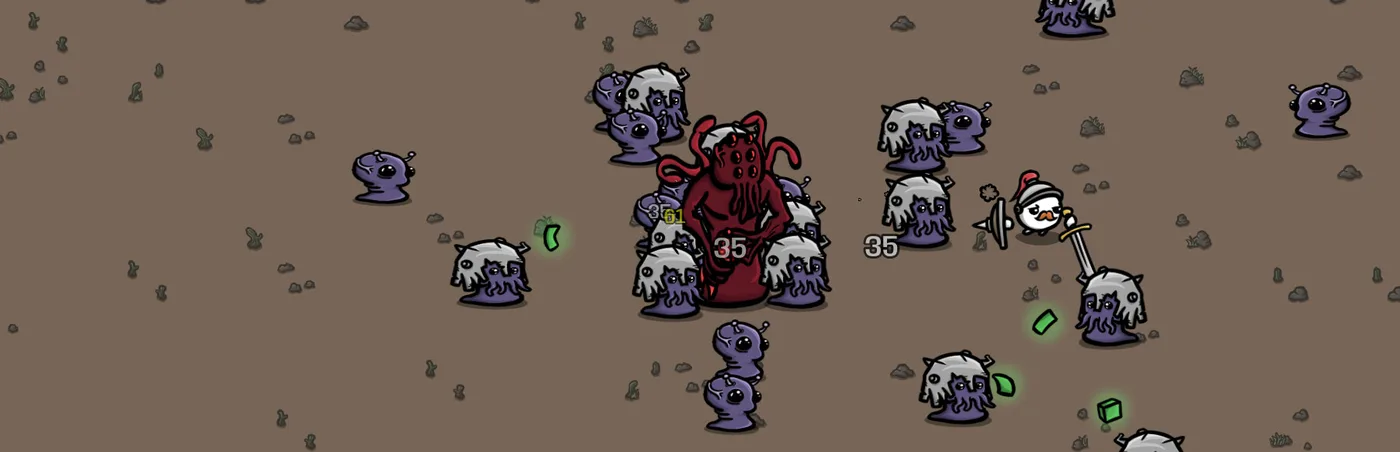
You pick a character, you walk in circles, and you buy things between waves. That is the whole game and it is very hard to stop playing. Runs are twenty minutes, so it fits a lunch break, and it runs natively on Linux on hardware that struggles with almost anything else on this page. The art is plain and the numbers going up are not.
The same idea as the flat ones, except you are running around a proper 3D world while the horde builds.
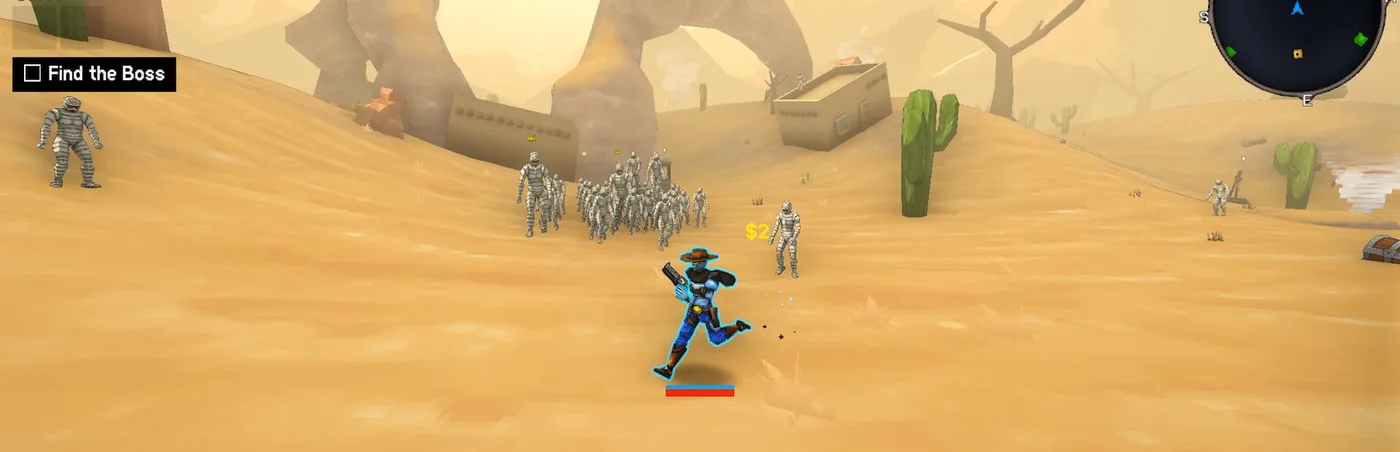
Moving the survival formula into 3D sounds like a small change and it is not. You can see things coming from a distance, you can use hills and buildings, and the moment where the screen fills up lands harder because you are inside it. It came out of nowhere in late 2025, it is native, and it costs less than a coffee.
Twenty minutes, one character, and an escalating pile of upgrades that turn your pistol into a weather event.
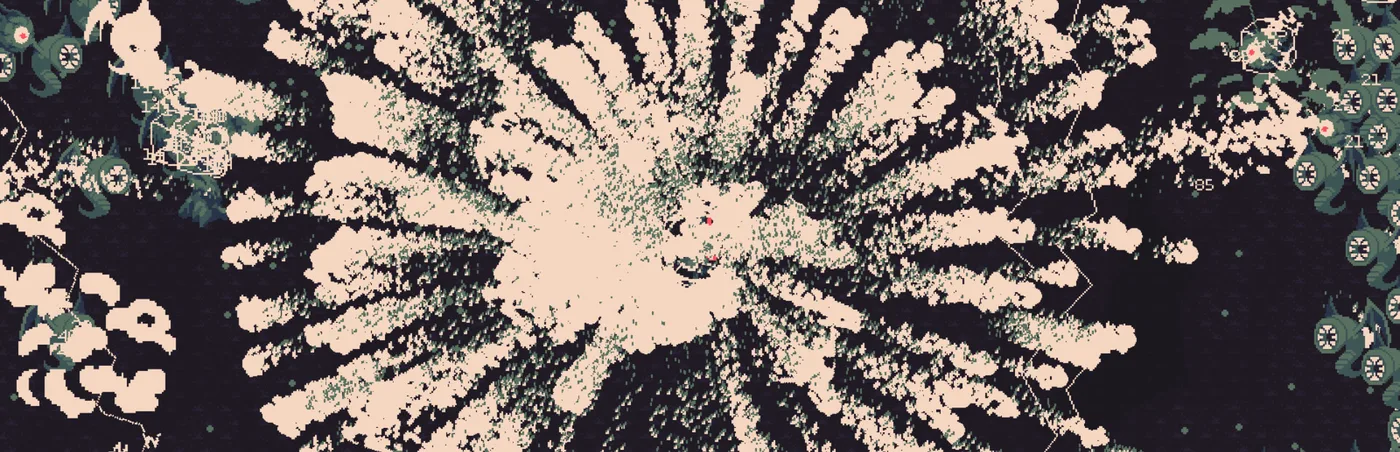
This one puts the choices in front of you constantly. Every level you pick from a handful of upgrades, and the good runs are the ones where two of them turn out to combine into something the game clearly did not plan for. It asks very little of your hands and quite a lot of your attention, which is a rarer combination than it sounds.
A gothic take on the genre where gods offer you blessings and you build a character out of them.
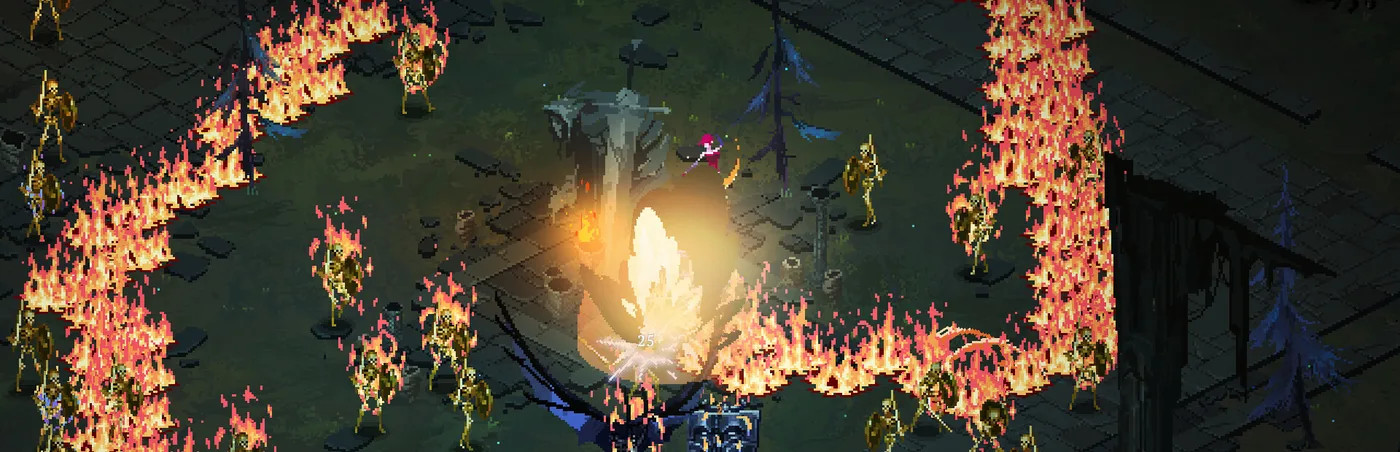
The blessing system does the heavy lifting. Instead of generic upgrades you are collecting favours from named gods, and each one pushes you toward a different way of fighting. It is still in early access, so expect it to change, but it already has more character than most finished games in this bracket. Dark, readable art that does not tire your eyes out.
You have a slot machine and a landlord who wants rent every few spins. That is the entire premise.
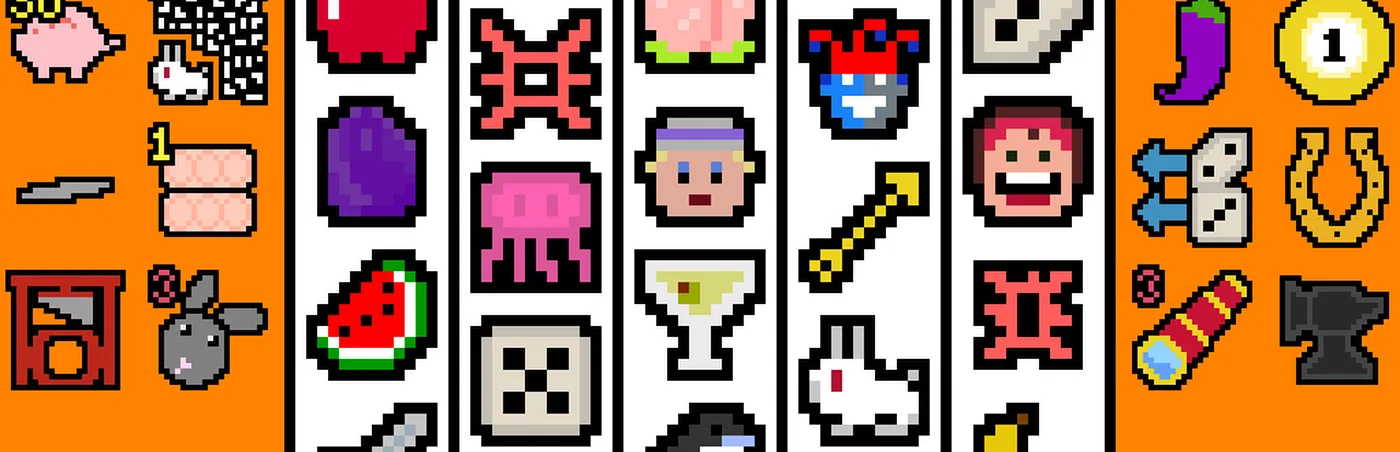
Nothing here tests your reflexes at all. You add symbols to a slot machine, the symbols interact, and you try to build something that pays rent faster than the rent goes up. It is the calmest thing on this page and the one most likely to eat an afternoon. Native Linux, tiny download, and it works fine on a laptop trackpad.
I Want to Take My Time and Think
Nothing here moves until you do. Take an hour over one fight if you want to, the game will wait.
Inscryption belongs here too. It is on our horror list instead, because of where it goes.
You climb, you fight, you pick a card after every fight, and by the top you have built a machine or a mess.
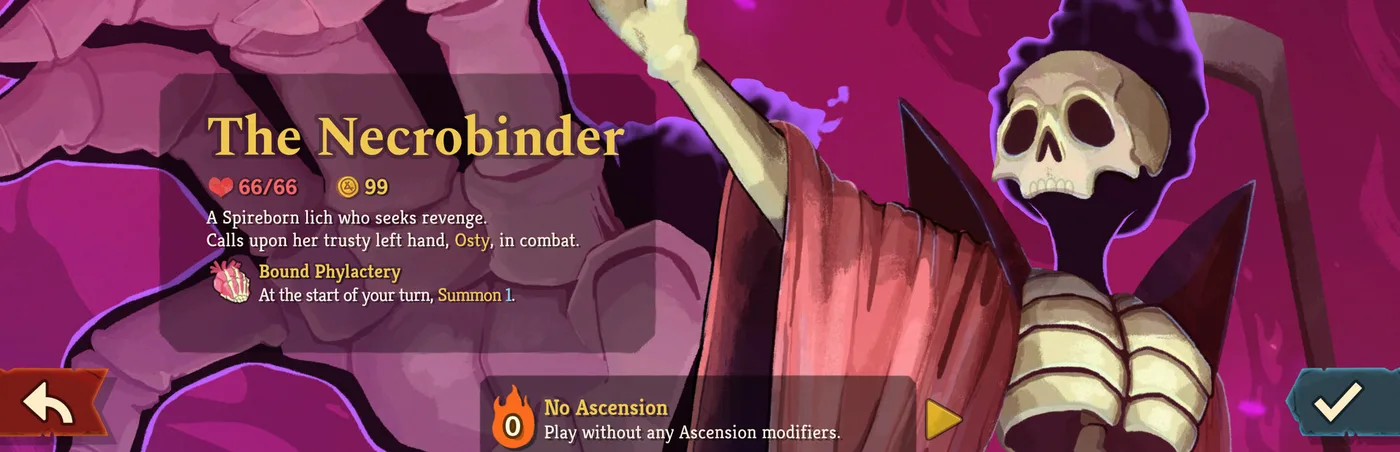
The first one defined a whole genre and the sequel is the rare follow-up that has something new to say rather than more of the same. It is in early access and it will change, so buy it because you want to play it now, not because you want the finished version. It runs natively on Linux and it has more player reports behind that rating than most released games here.
You defend three floors of a train at once, which means every card you play is also a decision about where.
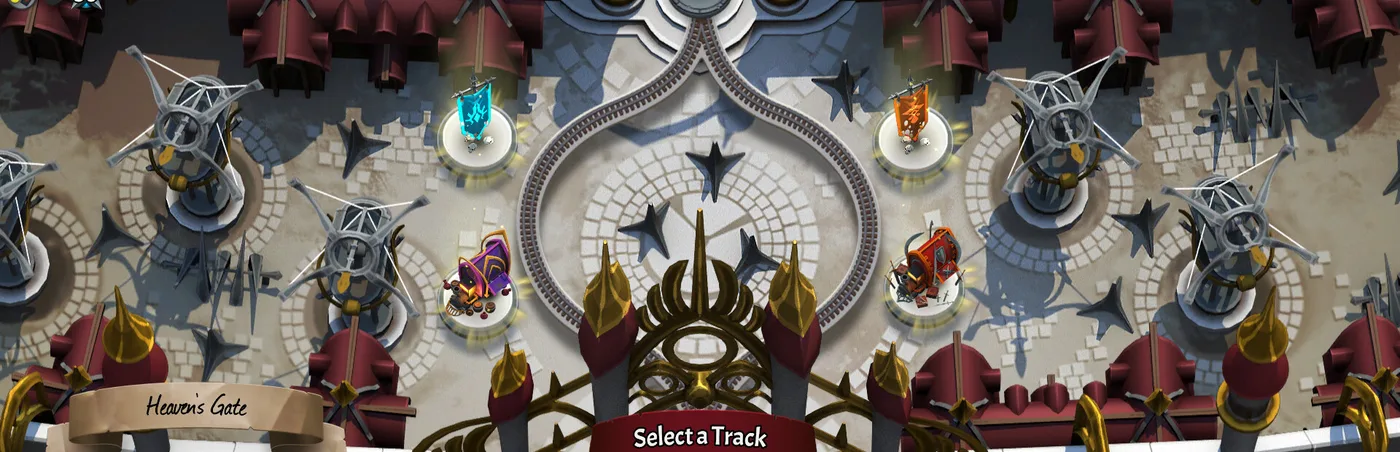
Most card games in this style give you one row to think about. This gives you three, stacked, with enemies climbing between them, and suddenly the question is not just what to play but which floor can afford to lose. The sequel is a cleaner, better looking version of an already very good idea. Report count is still building, so treat the rating as early but positive.
You run a small ship across hostile space, managing power, fires, boarders and a crew who can die permanently.
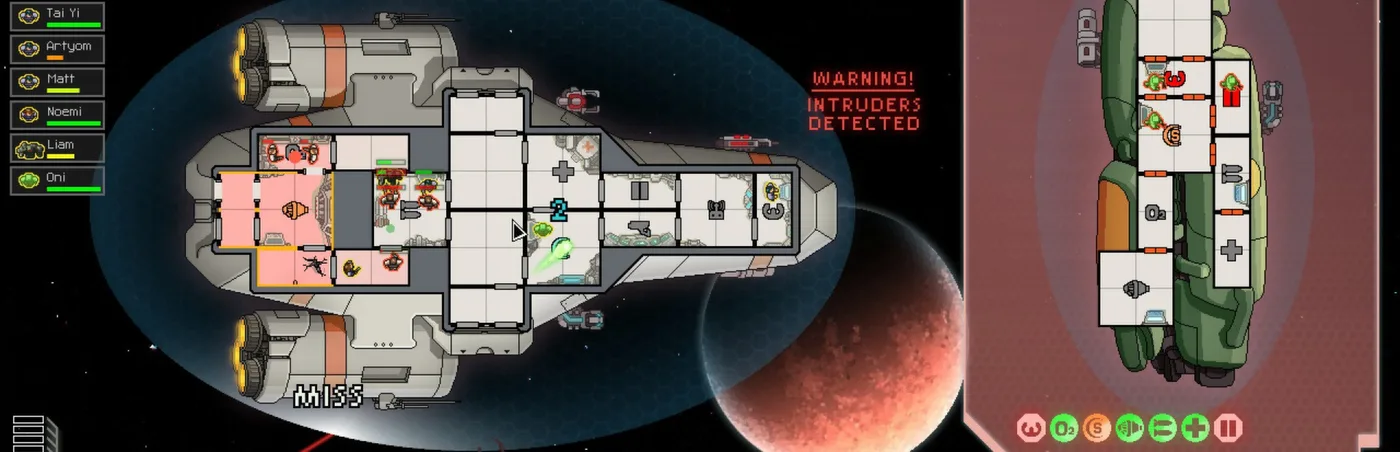
This is the game that convinced a lot of people the genre was worth caring about, and it still works because it is about resource pressure rather than reflexes. Every jump costs fuel, every fight costs hull, and there is always something more urgent than the thing you were doing. It is native, it is small, and it runs on anything with a screen.
You send four people into a dungeon and worry about their nerves as much as their health.
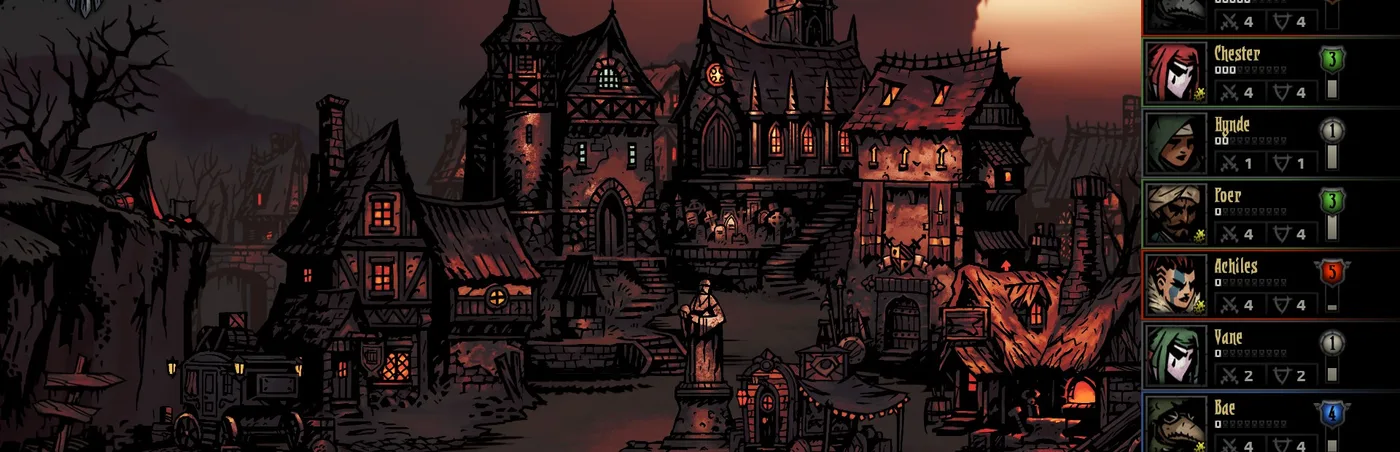
The fighting is turn based and fine. The reason people remember it is that your characters accumulate stress, pick up habits, and come back worse than they went in, so a successful raid can still leave you with a party you cannot use. Your town persists between runs, which makes it gentler than most of this list. It is a dark looking game and it is dark to play.
You are a dice, in a game show, and every fight is about spending the numbers you rolled as well as you can.

Bright, quick, cheerful and completely unintimidating, which is not something you can say about much of this genre. Each of the six characters plays so differently that it is really six small games, and the whole thing costs less than a sandwich. If somebody in your house has never tried one of these and thinks they would hate it, this is the one to put in front of them.
Two decks: one for fighting, one for arguing. Most problems can be solved either way.
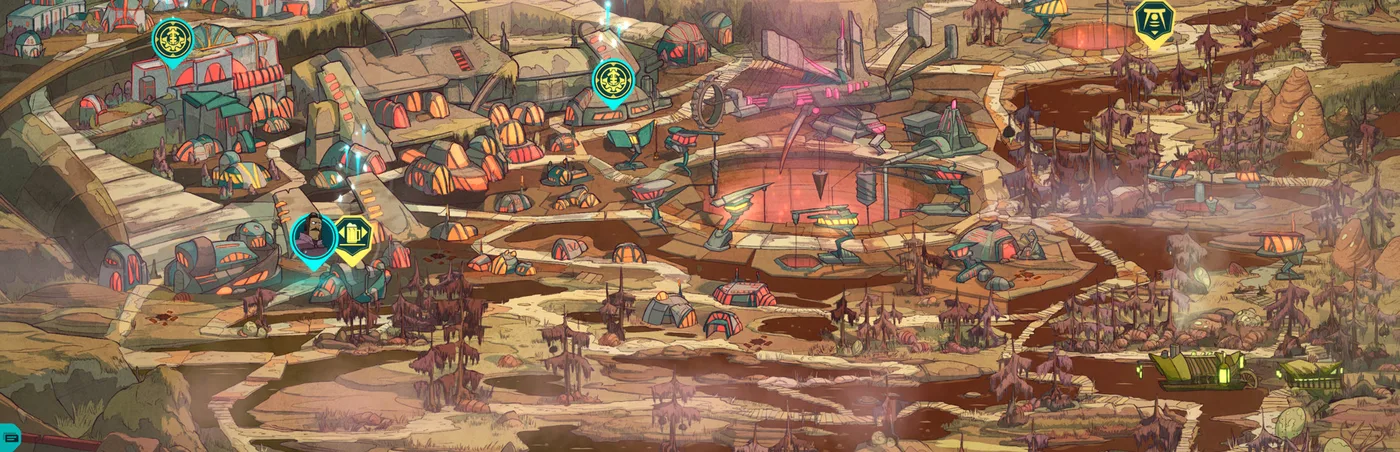
Having a separate deck for negotiation sounds like a gimmick until you lose an argument and have to fight your way out of a room you could have talked your way out of. The world is a scrappy, lived-in place with people who remember what you did to them. Native Linux, and one of the more generous games here about letting you play badly and still finish.
Which Ones Actually Test My Reflexes?
These want your hands as much as your head. Expect to be bad at first and to notice yourself getting better.
Hades, Hades II and Dead Cells would all sit here. All three are on our action games list.
A dungeon made of guns, where dodge rolling through a wall of bullets is a skill you will actually learn.
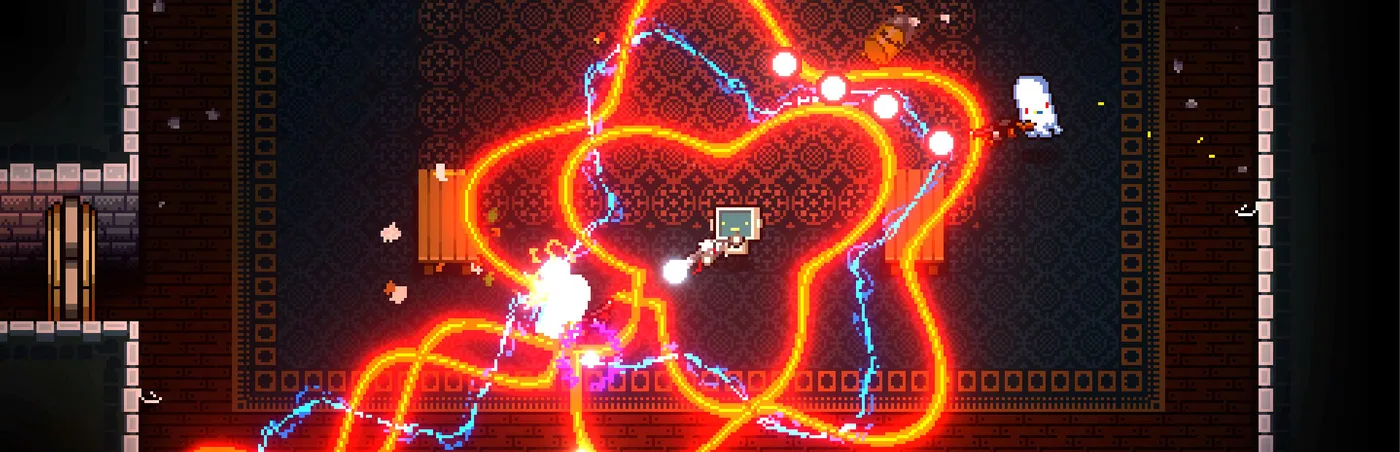
The shooting feels precise in a way very few games in this style manage, and the joke about guns never quite runs out. It is hard, and the first several hours are mostly losing, but the difficulty is honest: every death is something you did rather than something that happened to you. Native, small, and it runs on a laptop.
Items stack without limit, so a long run ends with you deleting whole screens by accident.
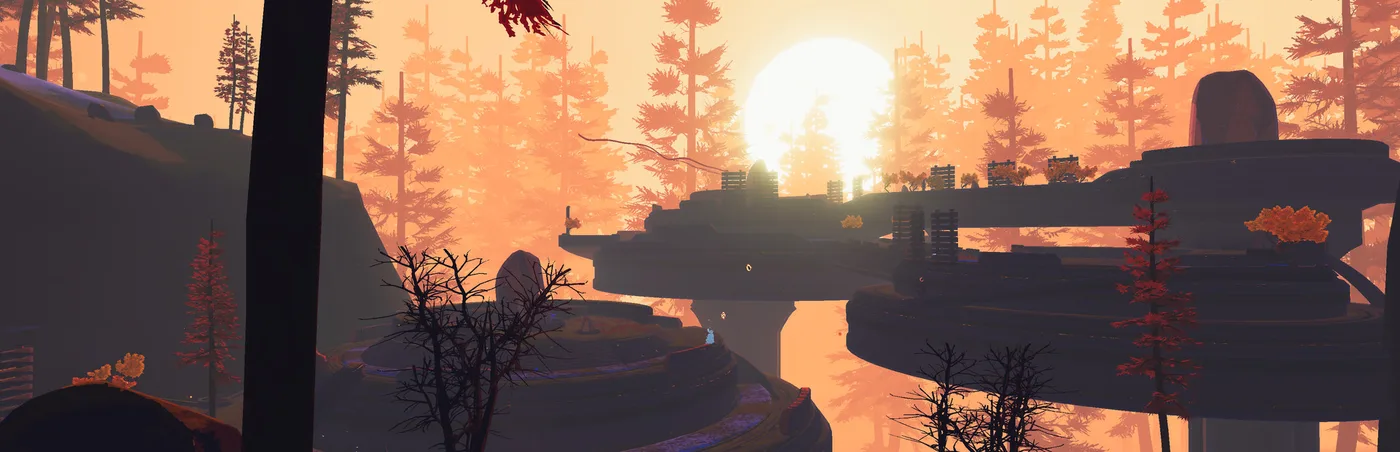
The difficulty rises with the clock, not with your progress, so every minute you spend looking for one more item is a minute the game spends getting harder. That tension is the entire game and nothing else does it quite as well. It has more Linux player reports than anything else on this page by a wide margin, which is about as safe as a Proton rating gets.
Hundreds of items that combine in ways nobody could reasonably have tested, in a basement full of unpleasant things.
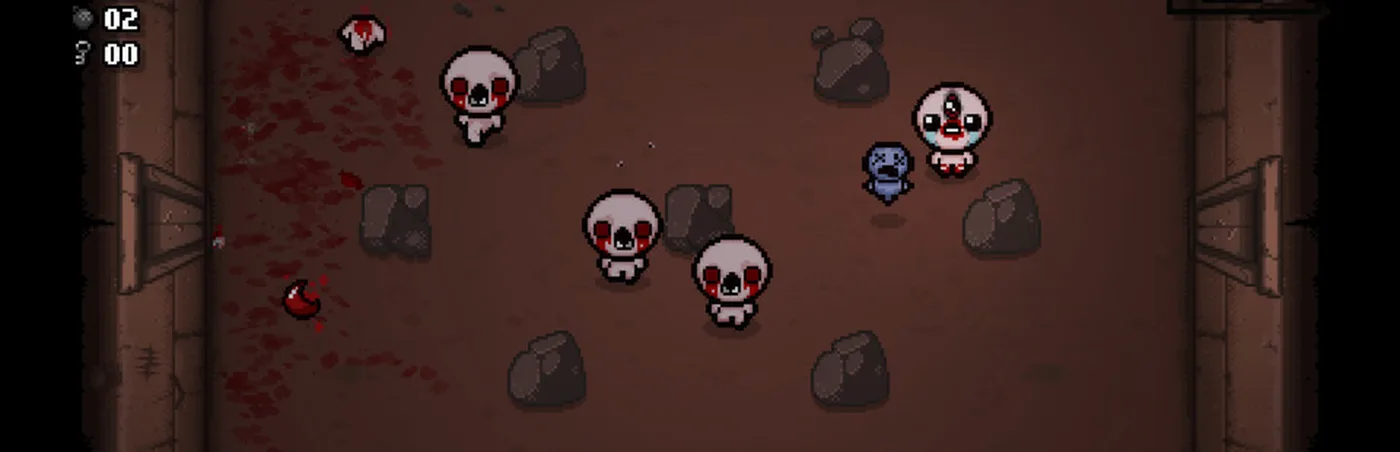
The item pool is so large and so willing to break its own rules that runs still surprise people a decade in. It is grim, it is childish, and it is one of the most replayed games ever made for good reason. Native Linux, tiny, and it will run on a machine you were about to throw away.
You are a skeleton who swaps heads, and every head is a completely different moveset.
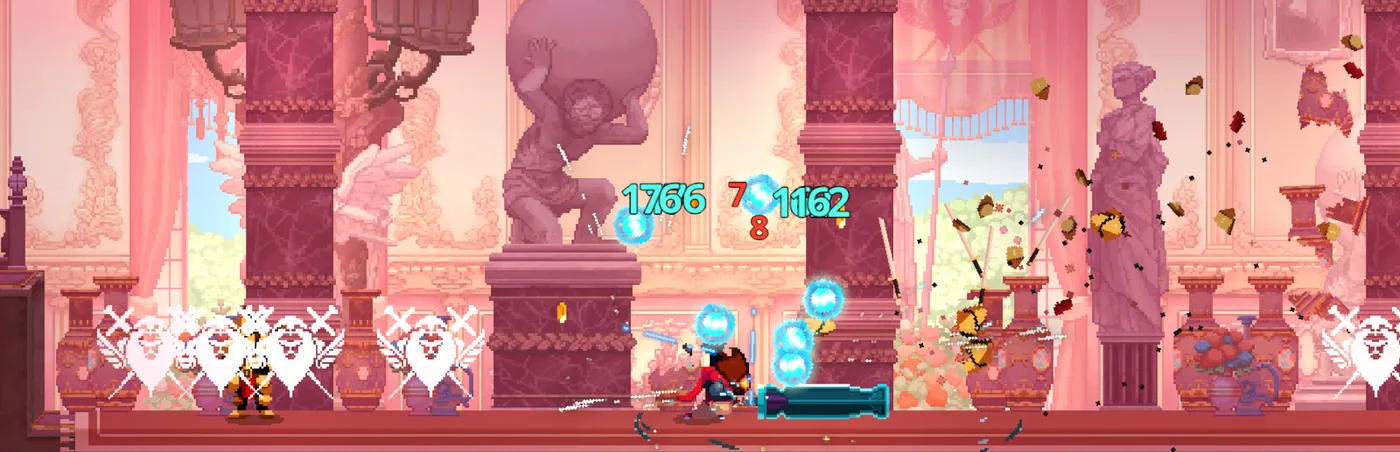
Carrying two heads at once means you are always holding two characters and choosing between them mid-fight. It keeps the combat fresh far longer than a single upgrade tree would. It looks lovely, the animation is crisp, and it is one of the better looking games in this list at a size that will not fill your drive.
A fast, bright shooter where you are a robot and the levels are canyons full of things to blow up.
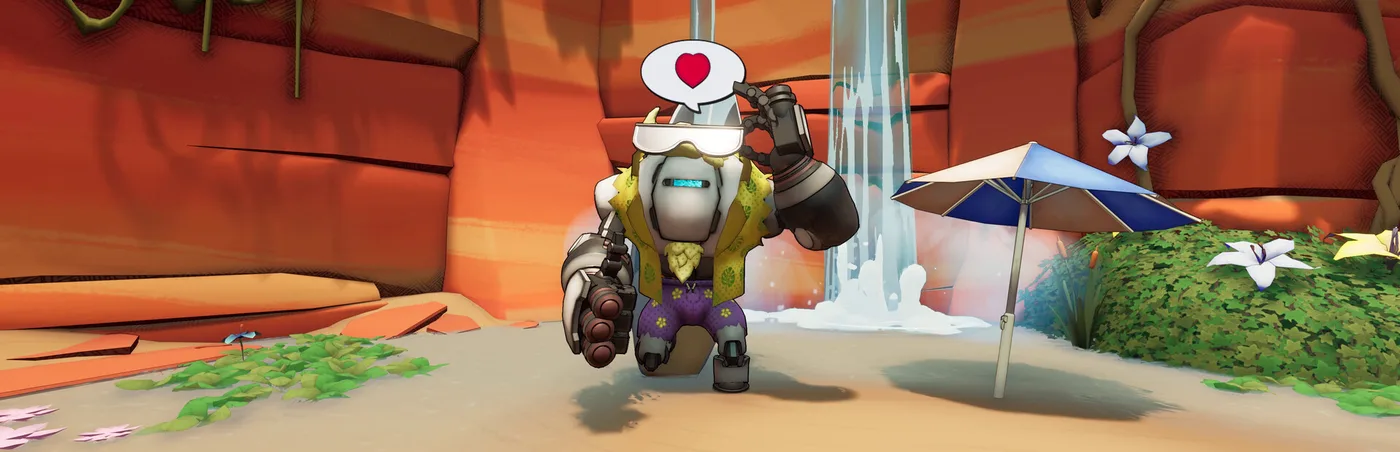
The movement is quick enough that you spend most fights in the air, and the guns have real weight to them. The bright cartoon look hides a shooter that takes its aiming seriously. This is one of the more demanding games here, so if your machine is older it is also one worth streaming instead of installing.
Fast melee combat on floating islands, from the people who made Dead Cells.
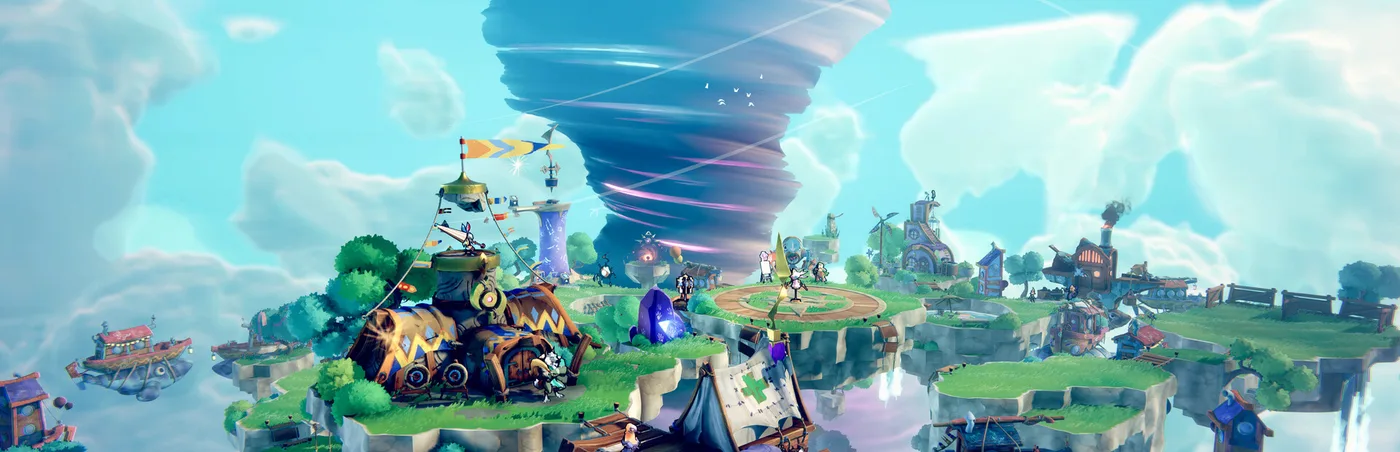
The combat is already excellent: quick, readable, and built around swapping between two weapons rather than committing to one. It is in early access and the content will grow, but what is there is polished enough to recommend today. It is also the best looking game in this whole list, which matters if you are trying to convince somebody that Linux gaming is fine now.
Every object in the cave obeys the same rules, including the ones that will kill you by accident.
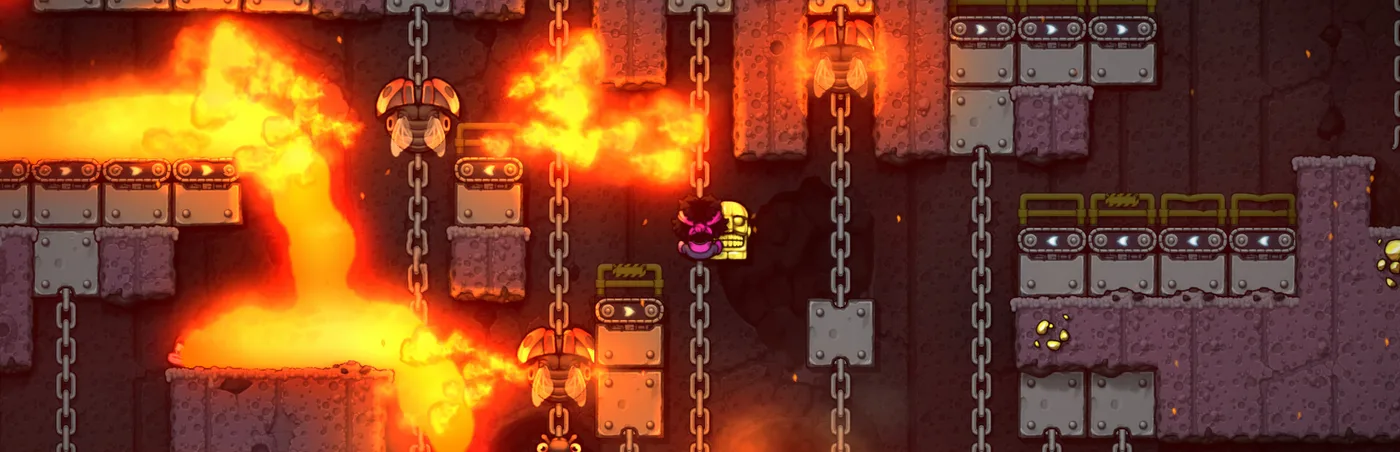
Nothing is random for the sake of it. The cave is a physical system, and once you understand it you can do extraordinary things with a rope and a bomb. Getting there takes a long time and the game is completely unsentimental about that. If you want one game to be genuinely good at rather than pleasantly distracted by, this is it.
What Will Still Feel New in Six Months?
Bigger, stranger and slower to run out. Several of these are free, open source and older than the people playing them.
After the character building more than the dying? Our RPG list is the better page for that.
A mutant in a ruined far future world, where you can grow extra limbs and read the minds of the local wildlife.
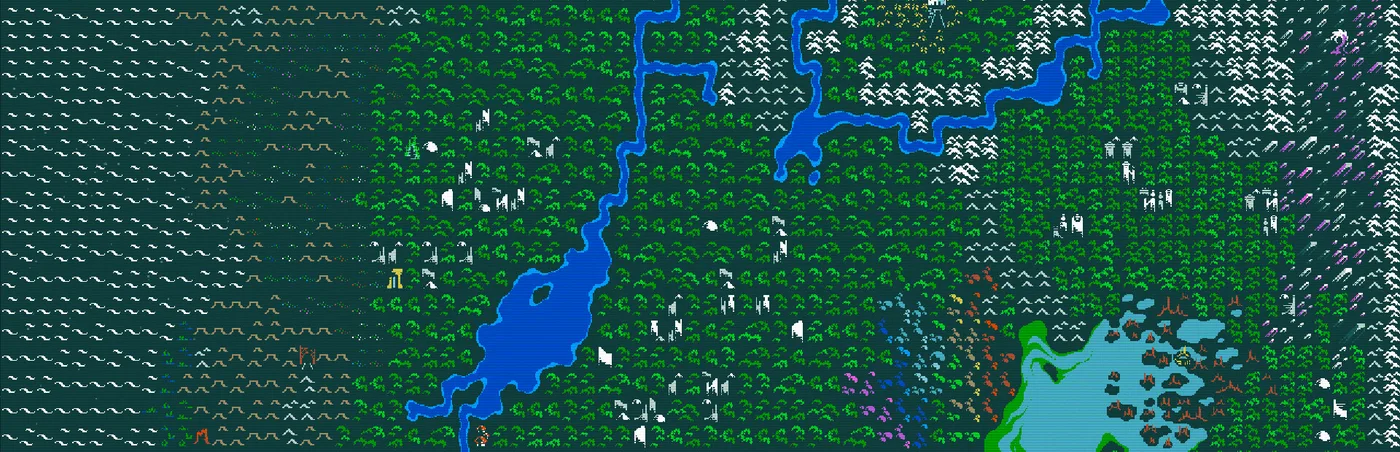
Twenty years in development and it shows in the strangest possible way: almost anything you think of trying has already been considered. You can dig through walls, talk your way past factions, or lose an arm and grow a better one. It left early access in 2024 as a finished game, it is native Linux, and it will still be showing you new things next year.
The one most people land on when they want the old kind and do not want to fight the interface.
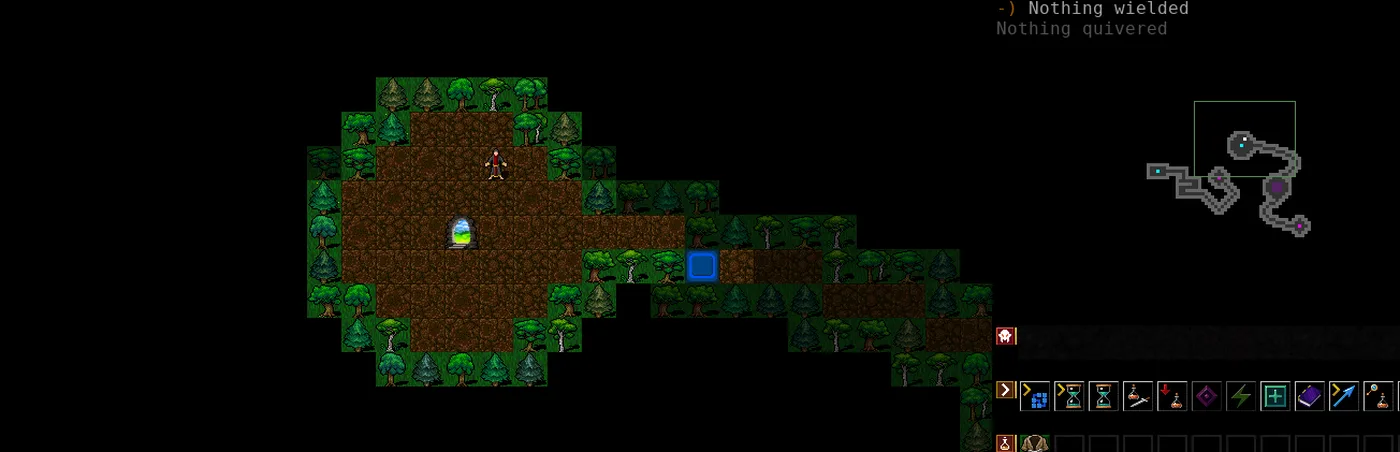
It strips out the busywork that makes the older ones a chore and keeps the part that matters, which is a dungeon that will kill you for one careless keystroke. It has a mouse driven tiles version, it is in the Ubuntu archive so one command installs it, and it costs nothing. Everything on this page that costs money is competing with this.
Every pixel is simulated, so fire spreads, liquids flow, and your own spell will usually be what kills you.
Most games fake their physics at the edges. This one does not, which means a fight can end because you set fire to a pool of oil three rooms away and forgot about it. The wand building is deep enough that people are still finding new combinations years later. Deaths are frequent, sudden and almost always your fault.
Nearly forty years old, still updated, and still capable of killing you in ways you did not know existed.
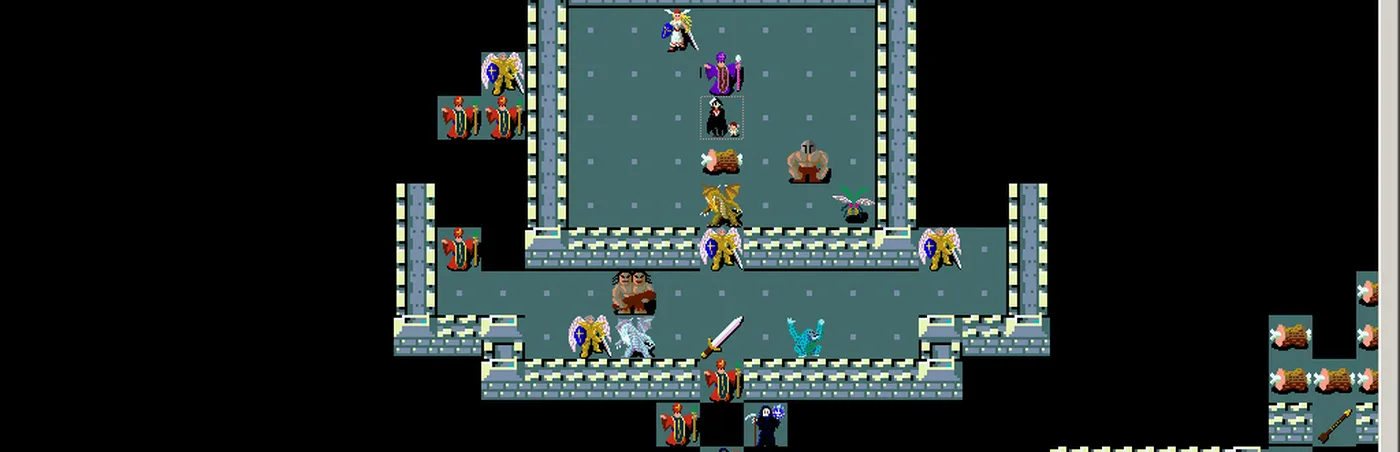
The rule people quote is that the developers thought of everything, and it is very nearly true. Pour a potion on your sword, dip for excalibur, write in the dust to scare something off: it usually works, because somebody implemented it decades ago. It is free, it is one apt command away, and it will run in a terminal window over a slow connection.
A tiny city where you can complete the objective by shooting, hacking, bribing or simply setting fire to the building.
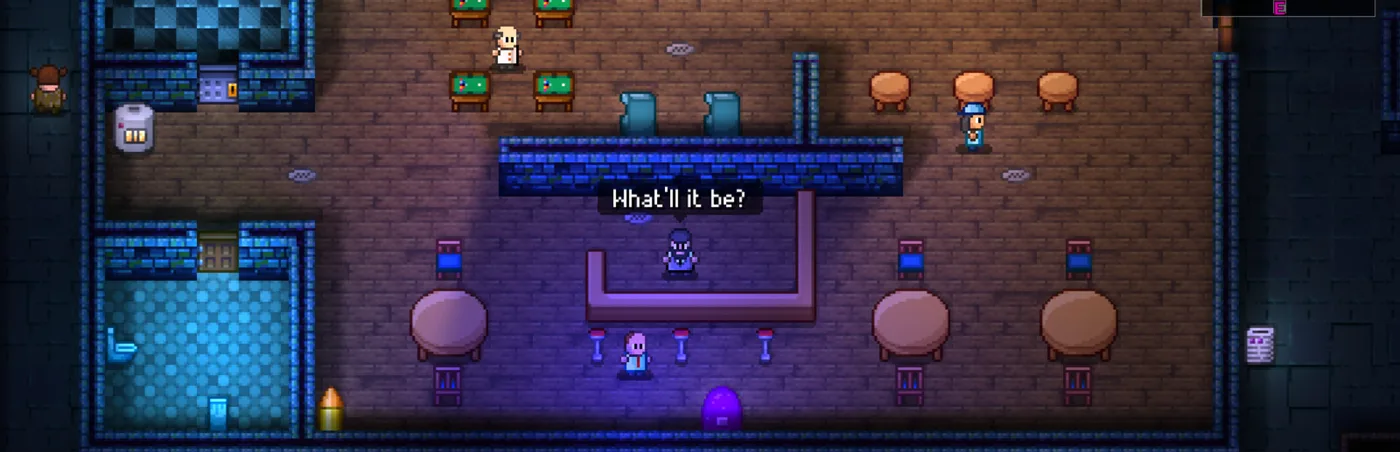
It takes the systems from big immersive sims and shrinks them down until a whole level fits on one screen. Every character class changes what is possible, and the doctor solving a problem with tranquilliser darts is a different game to the gorilla solving it with a wall. Native Linux, and it has local and online co-op if you want it.
The most elegant of the old ones. No skill trees, no experience grind, just a dungeon and what you find in it.
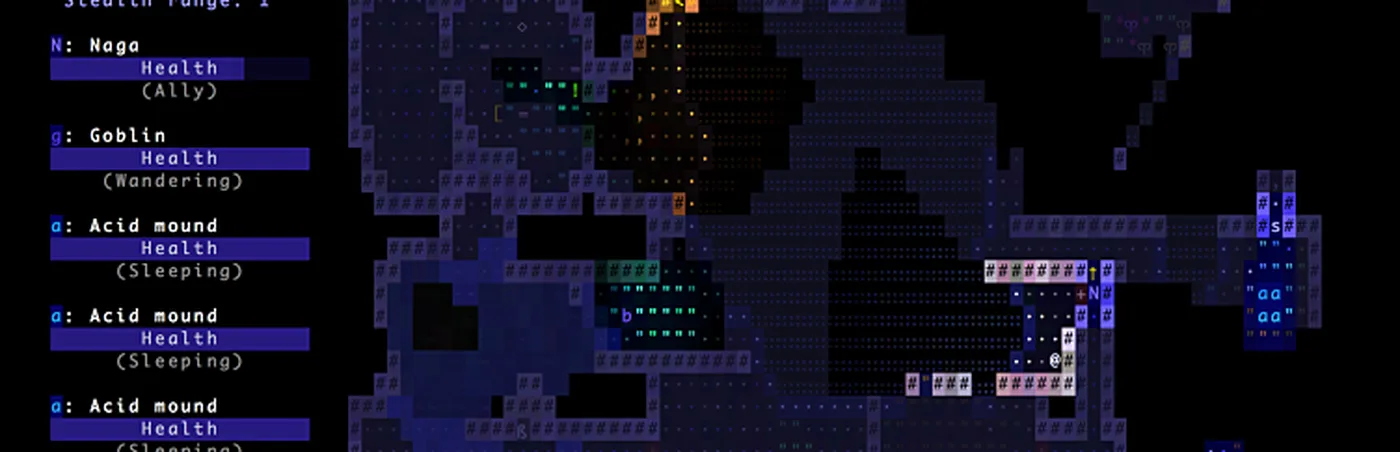
Everything you need is on screen at once and nothing is hidden in a menu, which makes it the easiest classic to actually read. The community edition keeps it maintained and it is on Flathub, so one command installs it. Under thirty megabytes, free, and a better designed game than most things costing fifty times nothing.
A short, clean dungeon crawl that finishes in an hour and starts making sense on the third attempt.
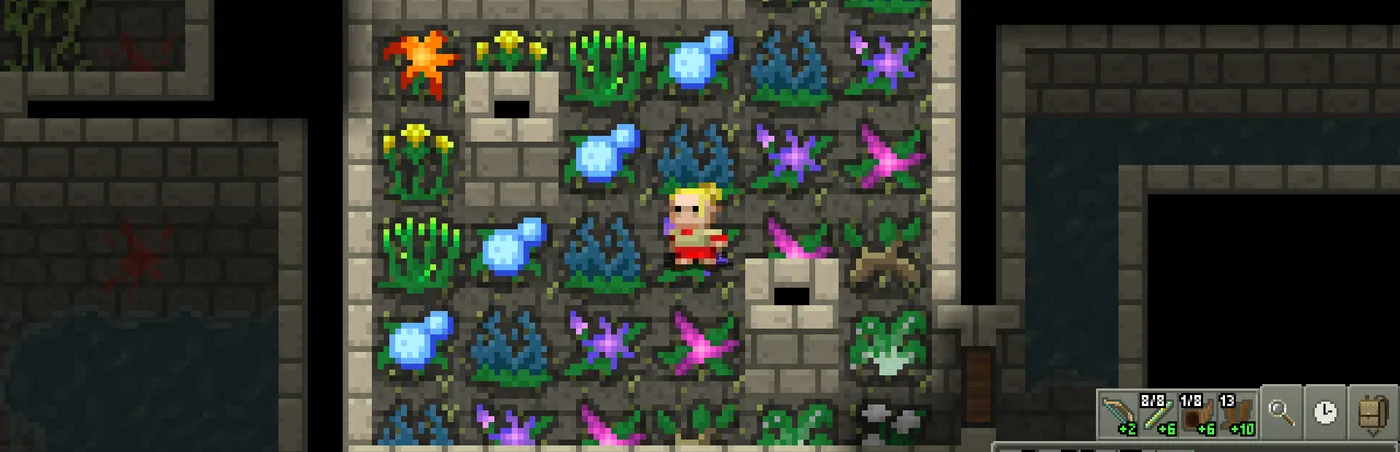
Twenty six floors, an hour a run, and a difficulty curve that respects your time. It is open source and free from Flathub, though it is also sold on Steam if you would rather pay the developer that way. Being built for phones originally means the interface is simple, which here is a feature rather than a compromise.
Doom, but turn based, on the moons of Jupiter, with a shotgun and a bad attitude.
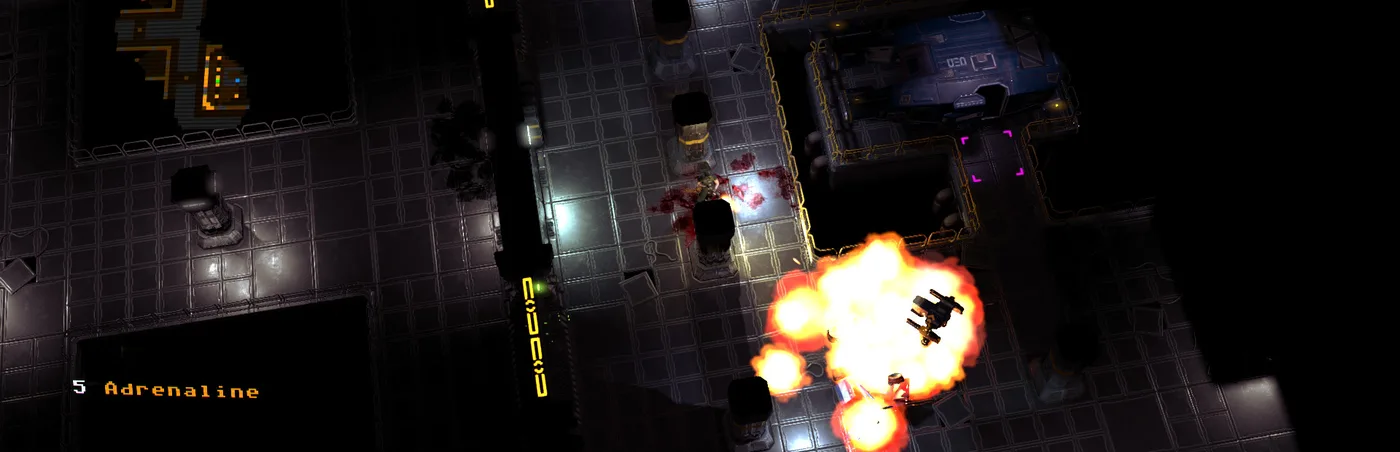
It looks like an action game and plays like chess, and the gap between those two things is the joke it keeps making. Nothing moves until you do, so a corridor full of enemies is a puzzle rather than a panic. Native Linux, fully voiced, and considerably more approachable than the classics above it on this list.
A hundred floors under a mountain, one very long descent, and a dragon at the bottom.
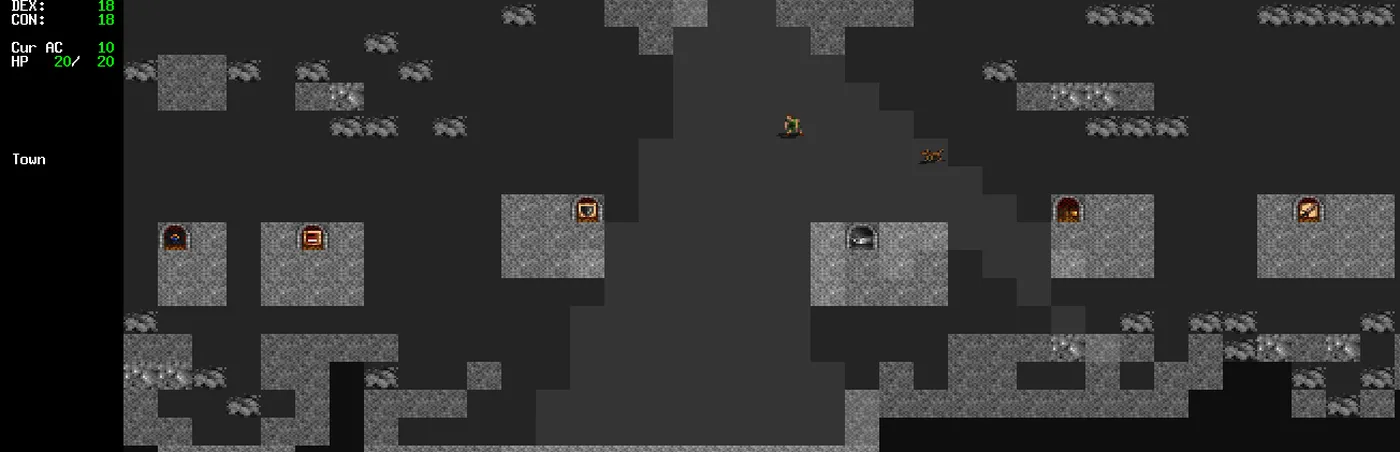
Where the others are about a clever hour, this is about a campaign. You descend slowly, you retreat to town to resupply, and a serious character represents weeks rather than an evening. It is free, it is in the Ubuntu archive, and it is the most patient game on this page by a distance. Not the one to start with.
Can I Play These With a Friend?
Same runs, more people. Everyone dies together, which turns out to take most of the sting out of it.
For group games in general, our co-op and multiplayer list covers far more of them.
Four players, animal heroes and a great many guns, in a dungeon that rebuilds itself every time.
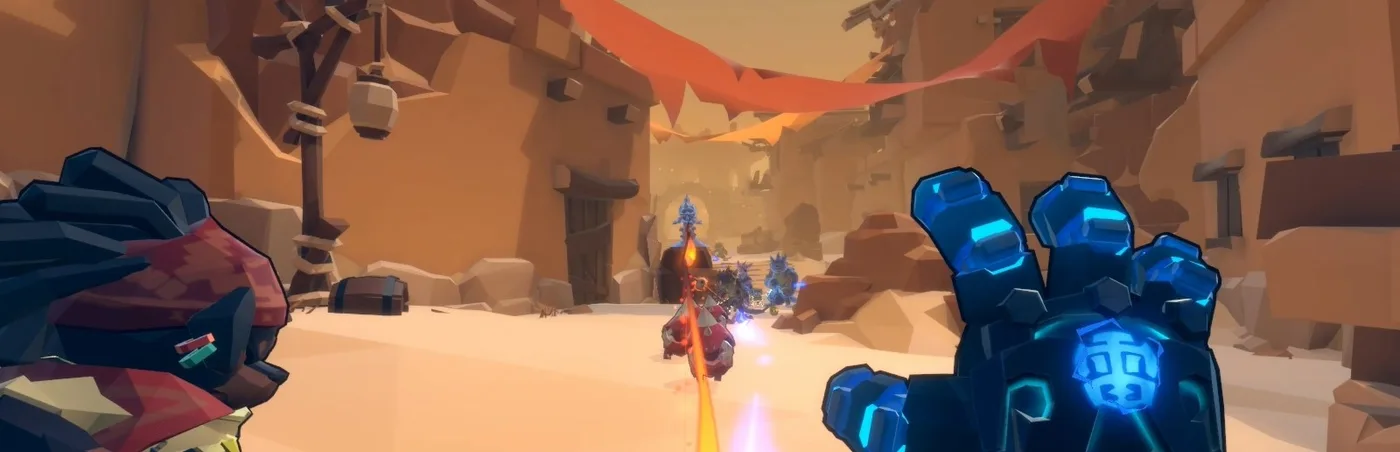
It is the most straightforward of these to get a group into: pick a character, shoot things, argue about who takes the good weapon. Four player online, no kernel anti-cheat, and it is listed as supported in the anti-cheat database, so nobody gets locked out for being on Linux. It carries a lot of Linux reports behind that rating.
Fairy tale characters against a corrupted world, seen from above, in runs of about an hour.
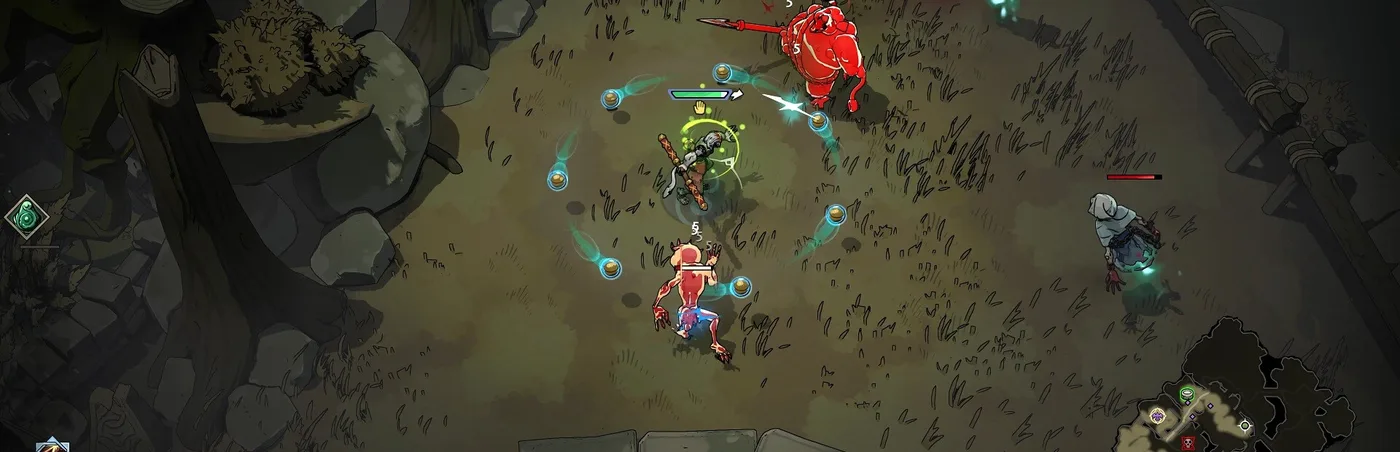
The art is genuinely lovely and the characters are recognisable without being twee. It is built around timed nights, so there is real pressure to cover ground before something worse arrives. Up to four players, and it is one of the better co-op options here for people who want their friends visible on screen rather than in a menu.
One family, several playable members, and a story that continues between runs whether you win or not.
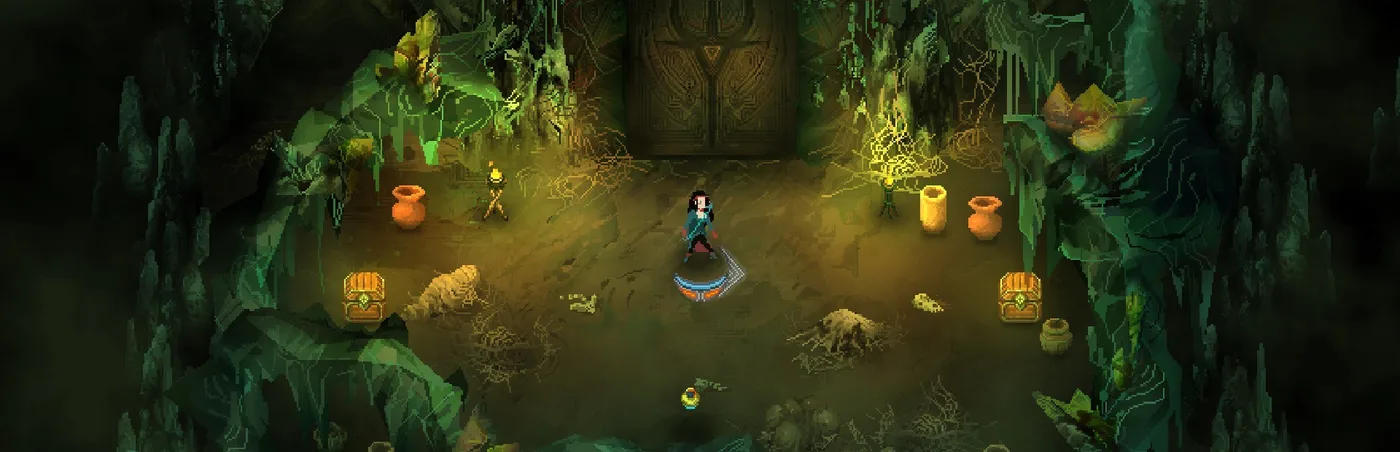
This is a local co-op game first, which is rare now and worth knowing about. The story advances as the family goes back down, so losing still moves things forward, and that makes it much gentler company than most of this list. Native Linux and hand drawn pixel art that has aged well.
Four people, four decks, one party, and every card played out loud to the group.
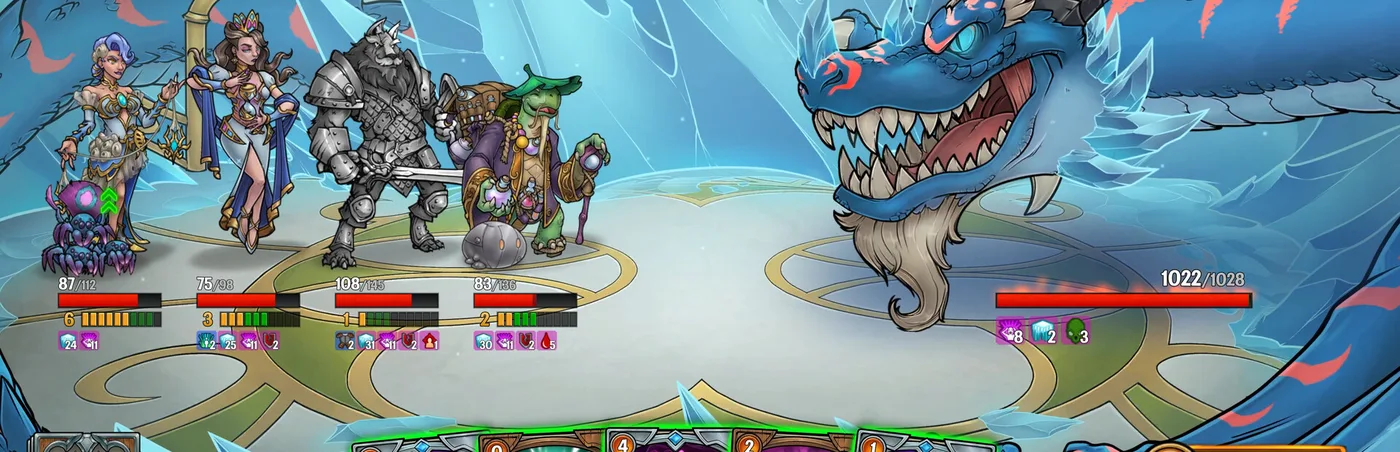
Turning a solo card game into something four people can do together sounds impossible and mostly is, which is why almost nobody has managed it. Here each player runs their own character and deck inside a shared party, so the arguing is the entertainment. Native Linux, and it works fine with two if you cannot get four.
All 31 Roguelikes Compared
Compare all 31 games side by side
| Game | Style | Difficulty | When you die | Runs | Year | Stream on | Price |
|---|---|---|---|---|---|---|---|
| Brotato | Arena survival | Forgiving | Keep unlocks only | Native Linux | 2023 | GeForce NOW and Boosteroid | Around $5 |
| Megabonk | 3D arena survival | Forgiving | Keep unlocks only | Native Linux | 2025 | GeForce NOW and Boosteroid | Around $6 |
| 20 Minutes Till Dawn | Arena survival | Forgiving | Keep unlocks only | Proton | 2023 | Not confirmed | Around $5 |
| Death Must Die | Arena survival | Forgiving | Keep unlocks only | Proton | 2023 | Boosteroid | Around $7 |
| Luck be a Landlord | Slot machine builder | Fair | Start from nothing | Native Linux | 2023 | GeForce NOW | Around $10 |
| Slay the Spire 2 | Card battler | Tough | Start from nothing | Native Linux | 2026 | GeForce NOW and Boosteroid | Around $25 |
| Monster Train 2 | Card battler | Fair | Start from nothing | Proton | 2025 | GeForce NOW and Boosteroid | Around $25 |
| FTL: Faster Than Light | Spaceship management | Tough | Start from nothing | Native Linux | 2012 | GeForce NOW | Around $10 |
| Darkest Dungeon | Party management | Tough | Keep your town | Native Linux | 2016 | GeForce NOW | Around $25 |
| Dicey Dungeons | Dice battler | Gentle | Start from nothing | Native Linux | 2019 | GeForce NOW | Around $3 |
| Griftlands | Card battler | Fair | Start from nothing | Native Linux | 2021 | GeForce NOW | Around $20 |
| Enter the Gungeon | Twin stick shooter | Tough | Keep unlocks only | Native Linux | 2016 | GeForce NOW and Boosteroid | Around $15 |
| Risk of Rain 2 | Third person shooter | Fair | Keep unlocks only | Proton | 2020 | Boosteroid | Around $25 |
| The Binding of Isaac: Rebirth | Twin stick shooter | Tough | Keep unlocks only | Native Linux | 2014 | Boosteroid | Around $15 |
| Skul: The Hero Slayer | Action platformer | Fair | Keep upgrades | Native Linux | 2021 | Boosteroid | Around $20 |
| Roboquest | First person shooter | Fair | Keep upgrades | Proton | 2023 | GeForce NOW and Boosteroid | Around $25 |
| Windblown | Action brawler | Fair | Keep upgrades | Proton | 2024 | GeForce NOW | Around $25 |
| Spelunky 2 | Platformer | Brutal | Start from nothing | Proton | 2020 | Boosteroid | Around $20 |
| Caves of Qud | Science fantasy roguelike | Brutal | Start from nothing | Native Linux | 2024 | GeForce NOW | Around $30 |
| Dungeon Crawl Stone Soup | Classic roguelike | Brutal | Start from nothing | Native Linux | 2006 | Not confirmed | Free |
| Noita | Physics sandbox | Brutal | Start from nothing | Proton | 2020 | Boosteroid | Around $20 |
| NetHack | Classic roguelike | Brutal | Start from nothing | Native Linux | 1987 | Not confirmed | Free |
| Streets of Rogue | Immersive sim | Fair | Keep unlocks only | Native Linux | 2019 | GeForce NOW | Around $20 |
| Brogue CE | Classic roguelike | Tough | Start from nothing | Native Linux | 2009 | Not confirmed | Free |
| Shattered Pixel Dungeon | Classic roguelike | Fair | Start from nothing | Native Linux | 2022 | Not confirmed | Free from Flathub |
| Jupiter Hell | Turn based shooter | Fair | Start from nothing | Native Linux | 2021 | GeForce NOW | Around $25 |
| Angband | Classic roguelike | Tough | Start from nothing | Native Linux | 1990 | Not confirmed | Free |
| Gunfire Reborn | Co-op shooter | Forgiving | Keep unlocks only | Proton | 2021 | GeForce NOW and Boosteroid | Around $20 |
| Ravenswatch | Co-op action | Fair | Keep upgrades | Proton | 2024 | GeForce NOW and Boosteroid | Around $25 |
| Children of Morta | Local co-op action | Forgiving | Keep upgrades | Native Linux | 2019 | GeForce NOW and Boosteroid | Around $22 |
| Across the Obelisk | Co-op card battler | Fair | Start from nothing | Native Linux | 2022 | GeForce NOW and Boosteroid | Around $20 |
How We Picked, and What the Labels Mean
Every game here is out now and known to run well on Ubuntu. We left off anything that only half works and anything with too few player reports to trust yet. Where a game is still being built we have said so on the card, because the content will change after you buy it.
Native Linux means it was built for Linux and simply installs. Runs via Proton means it is a Windows game that Steam runs for you, and you will not notice once it is going. Stream on names the cloud services that carry the game, which matters if your machine is old. Where a service is not listed we have not confirmed it, which is not the same as saying it is missing. Free means free, with nothing to buy. Early access means it is still being made.
The Difficulty rating at the top of each card is our own judgement rather than a measured number, on a scale from Gentle to Brutal. It is there because it is the second thing worth knowing about one of these, after what happens when you die.
The When you die line on each card is the one worth reading before you buy. Some of these hand everything back and start you from nothing. Others let you keep upgrades, or unlock new things to find on the next attempt. That single difference is what makes one of these feel punishing and another feel generous.
Frequently Asked Questions
What is the difference between a roguelike and a roguelite?
It is an argument between hobbyists and you can safely ignore it. What actually matters is what happens when you die, and every card on this page tells you. Some games take everything back and you start again from nothing. Others let you keep upgrades or unlock new things for next time. If you want the forgiving kind, look for cards that say you keep upgrades or unlocks.
Do I need a powerful computer for these?
For most of them, no. This is one of the least demanding genres there is, and Brotato, Dicey Dungeons, FTL, The Binding of Isaac and every free game on this page will run on a laptop that struggles with everything else. The heavier ones are Risk of Rain 2, Roboquest, Windblown, Ravenswatch and Megabonk. If your machine cannot manage those, every card that names a cloud service can be streamed instead of installed.
Which ones run natively on Linux?
Twenty one of the thirty one, including Slay the Spire 2, Enter the Gungeon, Caves of Qud, Darkest Dungeon, Griftlands and all five free ones. The rest are Windows games that run through Proton, which is already part of Steam. You install them the same way and they behave the same way.
Do I have to set anything up in Steam first?
One setting, once. Open Steam, go to Settings, then Compatibility, and turn on Steam Play for all other titles. That is what lets the Windows games on this page install. The native ones do not need it, and the free ones do not need Steam at all. If Steam is not on your machine yet, our guide to installing Steam on Ubuntu covers it.
Which of these are actually free?
Five, and they are all open source: Dungeon Crawl Stone Soup, NetHack and Angband install straight from the Ubuntu archive with one command, and Brogue CE and Shattered Pixel Dungeon come from Flathub. Nothing to buy, no accounts, no adverts. Shattered Pixel Dungeon is also sold on Steam if you would rather pay the developer that way.
Are any of these unfinished?
Three are still in early access and each one says so on its card: Slay the Spire 2, Death Must Die and Windblown. All three are worth playing today, but the content will change and in some cases your saves will not survive an update. Buy them because you want to play them now rather than because you are reserving the finished version.
Why are Hades and Balatro not on this list?
They are roguelikes and they are excellent, they are just already written up elsewhere on the site rather than reprinted here. Hades, Hades II and Dead Cells are on the action list, Balatro and Vampire Survivors are on the main best games page, and Into the Breach is on the strategy list. Each is linked from the section it would have belonged to. We would rather send you to a page that covers a game properly than pad this one out.
Can I play any of these with friends?
Four of them properly, and they are in the last section. Gunfire Reborn and Ravenswatch take four players online, Across the Obelisk gives everyone their own deck inside one party, and Children of Morta is built for two people on the same sofa. Streets of Rogue also has co-op if you want a fifth option.
More Ubuntu gaming guides: best free games for Ubuntu, best adventure games for Ubuntu, best strategy games for Ubuntu, best simulation games for Ubuntu.