
 You can install Vivaldi Browser on Ubuntu using the official native APT repository, the manual DEB package, Snap, or Flatpak from Flathub.
Vivaldi is a fast, highly customizable web browser built for power users. It features built-in tab stacking, a side panel for quick access to web tools, integrated tracking and ad blocking, and a built-in mail client. Since it is built on the Chromium open-source engine, you get full compatibility with Google Chrome extensions and modern web standards.
This guide provides clear terminal instructions for all four installation methods, compares their security sandboxing, and explains how updates are configured on Ubuntu 24.04 and 26.04 LTS.
Let us know in the comments below if you run into any setup issues, or you can contact us directly for support. We are always here to help you get it running.
APT, DEB, Snap & Flatpak Complete Guide
Configure Vivaldi Browser on your Ubuntu machine. Compare native repository performance against containerized sandboxes, and run the verified terminal setup scripts.
Selecting how you install the browser affects how updates are delivered and how well the app integrates with your desktop. Comparing both options helps you pick the best method for your system.
Vivaldi Browser Installation Methods Compared
Use the table below to compare key setup processes, security keyring configurations, update behavior, and packaging types.
| Method | Source Integrity | Update System | Sandboxing | Package Format |
|---|---|---|---|---|
| Native APT (Recommended) | Official signing GPG key imported manually | System Update (via apt) | No sandbox (Native desktop integration) | Official Debian Package (.deb) |
| Manual DEB Installer | Downloaded from official download server | System Update (key added by installer) | No sandbox (Native desktop integration) | Standalone Debian Package (.deb) |
| Official Snap | Official publisher signature on Snap Store | Automatic Background (via snapd) | Yes (AppArmor sandbox) | Snap Container Package |
| Flatpak | Community verification on Flathub | System Update (via flatpak tools) | Yes (Bubblewrap sandbox) | Flatpak Container Package |
Method 1: Install Vivaldi via the Native APT Repository (Recommended)
Setting up Vivaldi Browser using the official APT repository is the recommended installation path. It keeps your system secure by registering Vivaldi’s official signature key directly to your system’s trusted keys folder. This allows the system to verify the files are safe, handles updates automatically through Ubuntu’s standard software updater, and complies with modern Ubuntu security guidelines.
Ubuntu 24.04 and 26.04 utilize the modern deb822 sources list format. Instead of writing a single long line of code, this modern layout groups the download address, security key path, and version settings into a clean, easy-to-read text block.
Open your terminal (Ctrl+Alt+T). Create the keyrings folder if it is not already there, download Vivaldi’s security key, and convert it into a format that Ubuntu can read:
sudo mkdir -p /usr/share/keyrings
curl -fsSL https://repo.vivaldi.com/archive/linux_signing_key.pub | gpg --dearmor | sudo tee /usr/share/keyrings/vivaldi-archive-keyring.gpg > /dev/null
Add Vivaldi’s official download settings file to your system. This tells Ubuntu exactly where to fetch the browser packages:
sudo tee /etc/apt/sources.list.d/vivaldi.sources << 'EOF'
Types: deb
URIs: https://repo.vivaldi.com/archive/deb/
Suites: stable
Components: main
Signed-By: /usr/share/keyrings/vivaldi-archive-keyring.gpg
EOF
Update your system’s list of available software to recognize the new Vivaldi repository, then install the browser:
sudo apt update && sudo apt install -y vivaldi-stable
Method 2: Install Vivaldi via Manual DEB Package
If you prefer a direct package installation without setting up repository files manually, downloading the standalone `.deb` package file is a reliable alternative. This package is downloaded directly from Vivaldi’s servers. Once installed, the installer automatically registers Vivaldi’s security key and repository so your system receives standard background updates.
Download the setup package from the official Vivaldi servers, then install it using the apt tool:
wget https://downloads.vivaldi.com/stable/vivaldi-stable_amd64.deb
sudo apt install -y ./vivaldi-stable_amd64.deb
Apt vs Dpkg: Always install local files using sudo apt install ./filename.deb instead of sudo dpkg -i. The apt command automatically finds and installs any extra software helper packages Vivaldi needs to run. Dpkg does not do this, which can cause installation errors.
Method 3: Install Vivaldi via Snap Package (Official)
The Snap package is a fast, single-command installation method that works out of the box on Ubuntu. The Vivaldi developers maintain this package themselves, ensuring updates are delivered automatically. Snap applications run inside an isolated sandbox that restricts unauthorized access to your private folders and system hardware resources.
Run the snap installation command in your terminal to download and unpack the browser container:
sudo snap install vivaldi
Method 4: Install Vivaldi via Flatpak (Flathub)
Flatpak is another standard containerized distribution format that isolates software from your core operating system. The Flatpak version of Vivaldi is verified on the Flathub package catalog. It isolates the browser filesystem access and software dependencies, helping keep your local files safe from external script threats.
The Vivaldi Flatpak package hosted on Flathub is maintained by the community, not by Vivaldi Technologies. While it runs the genuine browser files, it is not officially supported by Vivaldi. For official support channels, use the APT repository, manual DEB installer, or Snap packages.
Ensure the Flatpak service is configured on your system and add the Flathub software hub:
sudo apt update
sudo apt install -y flatpak
sudo flatpak remote-add --if-not-exists flathub https://dl.flathub.org/repo/flathub.flatpakrepo
Run the flatpak command to download and install the browser package:
flatpak install flathub com.vivaldi.Vivaldi
Vivaldi Screenshots
-

- New version homepage from Vivaldi on Ubuntu 26.04: Install Guide & Tips
-
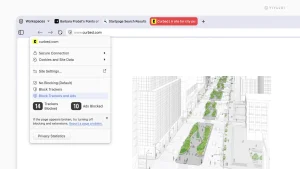
- Custom tracking from Vivaldi on Ubuntu 26.04: Install Guide & Tips
-
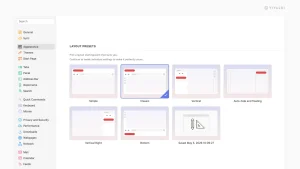
- Custom layout presets from Vivaldi on Ubuntu 26.04: Install Guide & Tips
-
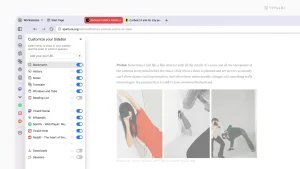
- Customizing sidebar from Vivaldi on Ubuntu 26.04: Install Guide & Tips
-
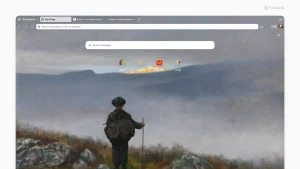
- Custom background from Vivaldi on Ubuntu 26.04: Install Guide & Tips
Troubleshooting Common Vivaldi Setup Issues
If you encounter warnings or signature errors during installation or while running standard system updates, check the solutions below.
If you see error messages about invalid signatures or missing keys when updating your system, the security keyring file may be missing or corrupt. Re-fetch and overwrite the GPG keyring file in your terminal:
sudo rm -f /usr/share/keyrings/vivaldi-archive-keyring.gpg
curl -fsSL https://repo.vivaldi.com/archive/linux_signing_key.pub | gpg --dearmor | sudo tee /usr/share/keyrings/vivaldi-archive-keyring.gpg > /dev/null
sudo apt update
If Vivaldi’s repository is added to your system more than once, Ubuntu will show duplicate repository warning errors during updates. This can happen if you set up the repository manually and also install the manual DEB package. Clean up your sources directory by removing the legacy repository list configuration:
# Remove duplicate legacy sources list files
sudo rm -f /etc/apt/sources.list.d/vivaldi.list
Keep only the modern sources block inside `/etc/apt/sources.list.d/vivaldi.sources` to ensure updates resolve correctly without warnings.
If Vivaldi fails to save sync credentials or repeatedly requests your password keyring on startup, the browser may be locked out of your system key manager. For the Snap version, connect the password manager service manually. For APT, DEB, or Flatpak setups, bypass the lockout by running the browser with a basic local password store:
# Grant keyring access to Snap version
sudo snap connect vivaldi:password-manager-service

# Bypass keyring for APT or DEB package
vivaldi --password-store=basic

# Bypass keyring for Flatpak package
flatpak run com.vivaldi.Vivaldi --password-store=basic
How to Uninstall Vivaldi Browser from Ubuntu
If you need to remove Vivaldi Browser from your system, execute the clean uninstall scripts below depending on which installation method you chose.
1. For the Native APT Repository Method:
Remove the browser files, delete the repository configuration and security key, and refresh your system’s software list:
sudo apt purge -y vivaldi-stable
sudo rm -f /etc/apt/sources.list.d/vivaldi.sources
sudo rm -f /usr/share/keyrings/vivaldi-archive-keyring.gpg
sudo apt update
2. For the Manual DEB Package Method:
Remove the browser files, delete the automatic repository file created by the installer, and update your software list:
sudo apt purge -y vivaldi-stable
sudo rm -f /etc/apt/sources.list.d/vivaldi.list
sudo apt update
3. For the Snap Package:
Uninstall the snap container from your machine:
sudo snap remove vivaldi
4. For the Flatpak Package:
Uninstall the Flatpak app and delete its sandbox directory data:
flatpak uninstall -y com.vivaldi.Vivaldi
rm -rf ~/.var/app/com.vivaldi.Vivaldi
Optional: Clean User Settings and Profiles:
Purging the packages does not delete personal user configs, bookmarks, or browsing history. To clean all profiles, run the delete command in your user folder:
rm -rf ~/.config/vivaldi ~/.cache/vivaldi
Frequently Asked Questions
Is Vivaldi Browser officially supported on Ubuntu?
Yes, Vivaldi officially supports and maintains builds for Ubuntu. They provide an official native APT repository, manual DEB packages, and an official Snap package in the Snap Store.
What is the recommended method to install Vivaldi on Ubuntu?
Vivaldi recommends using their official APT repository. This method installs the native Debian package, ensures the fastest performance, and handles updates automatically through Ubuntu’s system package manager.
How do I update Vivaldi Browser on Ubuntu?
If you installed Vivaldi via the APT repository, you can update it by running sudo apt update && sudo apt upgrade in your terminal. If you installed the Snap or Flatpak packages, your system updates them automatically in the background, or you can run sudo snap refresh vivaldi or flatpak update respectively.
Does Vivaldi have an official Snap or Flatpak package?
Yes, Vivaldi officially builds and maintains a Snap package in the Snap Store. The Flatpak version on Flathub is currently community-maintained but verified.
How do I completely uninstall Vivaldi Browser from Ubuntu?
Run the specific uninstall commands: sudo apt purge -y vivaldi-stable (for APT/DEB), sudo snap remove vivaldi (for Snap), or flatpak uninstall -y com.vivaldi.Vivaldi (for Flatpak). Finally, delete the configuration folders ~/.config/vivaldi and ~/.cache/vivaldi to clear user profiles.
More Ubuntu web browser guides: Firefox Browser · Tor Browser · Chromium Browser · Opera Browser · Google Chrome · Brave Browser