
 You can install BlueMail on Ubuntu using the official Snap Store, the verified Flatpak package on Flathub, or a direct DEB package download from the developer.
BlueMail is a modern, unified email client designed for desktop platforms that aggregates all of your mailboxes – including Gmail, Outlook, Yahoo, and private IMAP servers – into a single, cohesive interface.
Widely recognized as a premium candidate among the best email clients for Ubuntu, BlueMail is valued by professionals for its multi-account synchronization, customizable swipe actions, and integrated smart folder views.
This guide provides step-by-step terminal instructions for all three installation methods, compares their security sandboxing, and explains how to safely backup and migrate your local mail configurations.
Let us know in the comments below if you run into any setup issues, or you can contact us directly for support. We are always here to help you get it resolved.
DEB, Snap & Flatpak Step-by-Step
Configure the BlueMail email client on your Ubuntu machine. Learn how to install the official Snap package, download the direct DEB package, add the Flathub remote, and manage local profile directories.
Your choice of installation format affects how your email credentials and preferences are isolated from the rest of your system, where attachments are downloaded, and how applications receive security updates. We recommend selecting a single installation source to manage your mailboxes. Installing multiple packaging formats in parallel can result in duplicate app icons and confusing desktop notification popups.
BlueMail Installation Methods Compared
Review the table below to compare the technical features, automatic updates, and sandboxing characteristics of each package format.
| Method | Package Format | Automatic Updates | Sandboxed | Best For |
|---|---|---|---|---|
| Snap Store | Snap (Official container) | Yes (automatic background updates) | Yes | Standard users who want low-maintenance auto-updates |
| Flatpak (Flathub) | Flatpak (net.blix.BlueMail) | Yes (via system flatpak update) | Yes | Users who prefer Flatpak sandboxing and runtimes |
| Direct DEB Download | Native Debian package (.deb) | No (requires manual package downloads) | No | Advanced users wanting native performance without container overhead |
Method 1: Install BlueMail via the Snap Store
The Snap package format is the default, developer-recommended installation method for BlueMail on Ubuntu. It is officially maintained by Blix, the company behind BlueMail. This version is pre-sandboxed, which isolates your email application from the host system directories. Background daemons will automatically monitor for package updates and refresh the client in the background without user intervention.
Open a terminal window using Ctrl+Alt+T and run the Snap installation command:
sudo snap install bluemail
Method 2: Install BlueMail via Flatpak (Flathub)
The Flatpak version of BlueMail is available on Flathub under the application ID net.blix.BlueMail. This package is popular among desktop users who prefer Flatpak runtimes over Snap. The application is isolated inside a secure sandbox container. By default, this sandbox restricts the mail client from reading files stored on external drives or secondary mounts. If you need to attach local documents or download mail attachments to external folders, you can configure override flags.
If you have not done so already, configure the Flathub remote repository on your system:
sudo flatpak remote-add --if-not-exists flathub https://dl.flathub.org/repo/flathub.flatpakrepo
Retrieve and install the verified BlueMail Flatpak package:
flatpak install flathub net.blix.BlueMail -y
If you run into issues uploading email attachments from external directories, grant the container permission to access host mounts:
# Grant access to secondary drives mounted under /media
flatpak override --user --filesystem=/media net.blix.BlueMail

# Alternative: Grant complete access to your system files
flatpak override --user --filesystem=host-os net.blix.BlueMail
If you ever want to reset these permissions and restore the original strict sandbox constraints, execute: flatpak override --user --reset net.blix.BlueMail.
Method 3: Install BlueMail via Direct DEB Download
If you prefer a native installation without the sandboxing constraints of Snap or Flatpak, you can download the .deb package directly from the official website. A .deb package is a standard installation file format used by Ubuntu. This method ensures that the application runs with native system speeds and can browse all local files without additional configuration. However, because BlueMail does not host a public APT repository key, the application will not update automatically. You must manually repeat this download process when new versions are released.
Use the wget downloader in your terminal to fetch the official package package from the BlueMail distribution server:
wget https://download.bluemail.me/BlueMail/deb/BlueMail.deb
Use the apt package manager to configure the package. Using apt install (instead of dpkg) is highly recommended because it automatically fetches and installs any missing software libraries required by the installer:
sudo apt update && sudo apt install ./BlueMail.deb -y
If you run the direct DEB package installer on Ubuntu 24.04 or 26.04, verify that no conflict messages appear with existing mail client dependencies. Ensure you close the running instance of BlueMail before executing a manual package upgrade to avoid configuration database lockups.
Profile Folder Backup and Migration Steps
Unlike classical offline mail clients like Thunderbird, BlueMail stores its primary data and account credentials on a cloud-synchronized framework. However, it still maintains a local folder database on your system to keep track of user layouts, temporary local cache data, and system configurations. If you choose to switch installation methods (for example, moving from the Snap version to the Flatpak version), BlueMail may load as a blank application. You can copy the profile folders to your new installation directory to preserve your preferences.
~/.config/BlueMail/ and ~/.local/share/BlueMail/• Snap Installation:
~/snap/bluemail/common/.config/BlueMail/• Flatpak Installation:
~/.var/app/net.blix.BlueMail/config/BlueMail/Ensure BlueMail is closed completely before executing copy operations. Run the terminal commands corresponding to your migration path:
# Step A: Create a compressed backup of your native configuration
tar -cvzf bluemail-backup.tar.gz -C ~/.config BlueMail

# Step B: Copy Native configurations to Snap
mkdir -p ~/snap/bluemail/common/.config/
cp -a ~/.config/BlueMail ~/snap/bluemail/common/.config/

# Step C: Copy Native configurations to Flatpak
mkdir -p ~/.var/app/net.blix.BlueMail/config/
cp -a ~/.config/BlueMail ~/.var/app/net.blix.BlueMail/config/

# Step D: Migrate Snap configurations back to Native
mkdir -p ~/.config/
cp -a ~/snap/bluemail/common/.config/BlueMail ~/.config/

# Step E: Migrate Flatpak configurations back to Native
mkdir -p ~/.config/
cp -a ~/.var/app/net.blix.BlueMail/config/BlueMail ~/.config/
The tar command creates a single package file of your folder configurations. This file acts as a backup that you can easily extract if a migration step fails.
BlueMail User Interface Gallery
Below is a visual layout demonstrating the BlueMail application interface running on an Ubuntu Desktop environment.
-
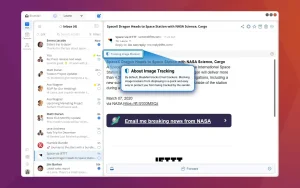
- Ai features from How to Install BlueMail on Ubuntu 26.04 – Complete Guide
-
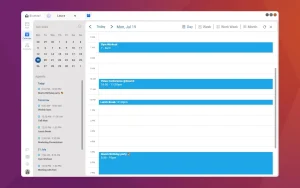
- Calendar from How to Install BlueMail on Ubuntu 26.04 – Complete Guide
-
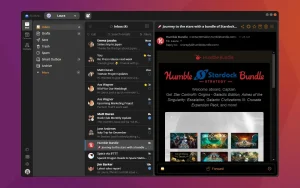
- Dark theme for bluemail from How to Install BlueMail on Ubuntu 26.04 – Complete Guide
-

- Light theme for bluemail from How to Install BlueMail on Ubuntu 26.04 – Complete Guide
-
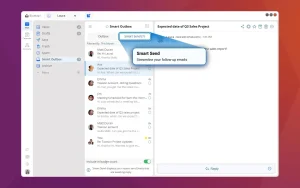
- Smart send ai from How to Install BlueMail on Ubuntu 26.04 – Complete Guide
How to Uninstall BlueMail from Ubuntu
If you need to remove BlueMail from your system or want to perform a clean reinstallation, run the commands below matching the package format you chose.
1. Uninstall Snap Package:
sudo snap remove --purge bluemail
2. Uninstall Flatpak Package:
flatpak uninstall -y net.blix.BlueMail
flatpak uninstall --unused -y
3. Uninstall Direct DEB Package:
sudo apt purge -y bluemail
4. Clean Up Leftover Configuration Folders (Optional):
Removing application packages does not delete your local configuration settings. To delete leftover settings, run:
# Delete native DEB settings
rm -rf ~/.config/BlueMail ~/.local/share/BlueMail

# Delete Snap local directories
rm -rf ~/snap/bluemail

# Delete Flatpak sandbox directories
rm -rf ~/.var/app/net.blix.BlueMail
Troubleshooting Common BlueMail Issues
If you encounter graphics bugs, synchronization delays, or folder permissions issues, check the common fixes below.
BlueMail is built on Electron, which can conflict with GPU hardware acceleration on some Ubuntu display drivers. Launch the application from your terminal with graphics acceleration disabled to resolve layout issues:
# Snap launch override
bluemail --disable-gpu

# Flatpak launch override
flatpak run net.blix.BlueMail --disable-gpu
If you miss desktop notifications when the app is closed, verify that BlueMail is allowed to run in the background. Open “Startup Applications” on Ubuntu and add a custom entry pointing to the execution path (e.g., /snap/bin/bluemail or flatpak run net.blix.BlueMail) to ensure it starts when you log in.
If you see “Permission Denied” errors when trying to load local documents, verify your Flatpak filesystem permissions. In your terminal, run: flatpak info --show-permissions net.blix.BlueMail. If access to your folders is missing, check Step 3 of the Flatpak guide to apply overrides.
Refer to these official resources for setup assistance, guides, and customer support channels:
BlueMail for Ubuntu FAQ
Find quick answers to common questions about configuring, upgrading, and troubleshooting your BlueMail email client installation on Ubuntu.
Is BlueMail free to use on Ubuntu?
Yes. BlueMail is free to download and use for personal accounts on Ubuntu. However, some advanced features, such as professional sync options, exchange support, and certain custom themes, may require a BlueMail+ premium subscription.
How do I install BlueMail using a DEB package on Ubuntu?
To install the native DEB package, download the file from the official BlueMail site using wget https://download.bluemail.me/BlueMail/deb/BlueMail.deb, then run the installation command sudo apt install ./BlueMail.deb in your terminal.
Where does BlueMail store its mail profiles and settings on Ubuntu?
The configuration directory depends on your installation format: the native DEB version uses ~/.config/BlueMail/, the Snap version uses ~/snap/bluemail/common/.config/BlueMail/, and the Flatpak version uses ~/.var/app/net.blix.BlueMail/config/BlueMail/.
How do I grant the Flatpak version of BlueMail access to system folders for email attachments?
You can override Flatpak sandbox restrictions by running flatpak override --user --filesystem=/media net.blix.BlueMail to allow access to external drives under /media, or --filesystem=host-os for complete system access.
How do I update BlueMail on Ubuntu?
If you installed BlueMail via Snap or Flatpak, updates are handled automatically in the background. If you installed the direct DEB package, you must manually download the new package from the website and reinstall it to update.
More Ubuntu application guides: Best Email Clients · Thunderbird for Ubuntu · Mailspring Guide · Geary for Ubuntu