

The best code editors for Ubuntu include Visual Studio Code, a full-featured editor for most developers; VSCodium, a cleaner open source build of the VS Code experience; Zed, a fast modern editor for people who want something newer; and Kate, a native Linux editor that feels especially good on KDE and Ubuntu desktops.
This guide covers 16 useful editors across four practical groups: modern GUI editors, native Linux desktop editors, terminal editors, and lightweight specialist tools. Each pick includes a current Ubuntu install route, a plain-language use case, and a trust or maintenance note where it matters.
Top Picks at a Glance
- Visual Studio Code: Best overall editor for most Ubuntu developers
- VSCodium: Best VS Code-style editor without Microsoft branding
- Zed: Best fast modern editor for users who want something newer
- Kate: Best native Linux desktop editor
- Geany: Best lightweight GUI editor for older PCs
- Neovim: Best terminal editor for keyboard-driven coding
Start with Visual Studio Code if you want the most extensions and tutorials. Choose VSCodium if you prefer a cleaner open source build. Choose Zed if speed matters more than extension depth. Choose Geany for older hardware, and choose Neovim if you live in the terminal.
Modern GUI Code Editors
These editors are the best starting point for most Ubuntu users. They have graphical interfaces, broad language support, built-in project tools, and install methods that work cleanly on Ubuntu.
Best For: Most Ubuntu developers who want extensions, Git tools, debugging, a terminal, and remote development in one editor
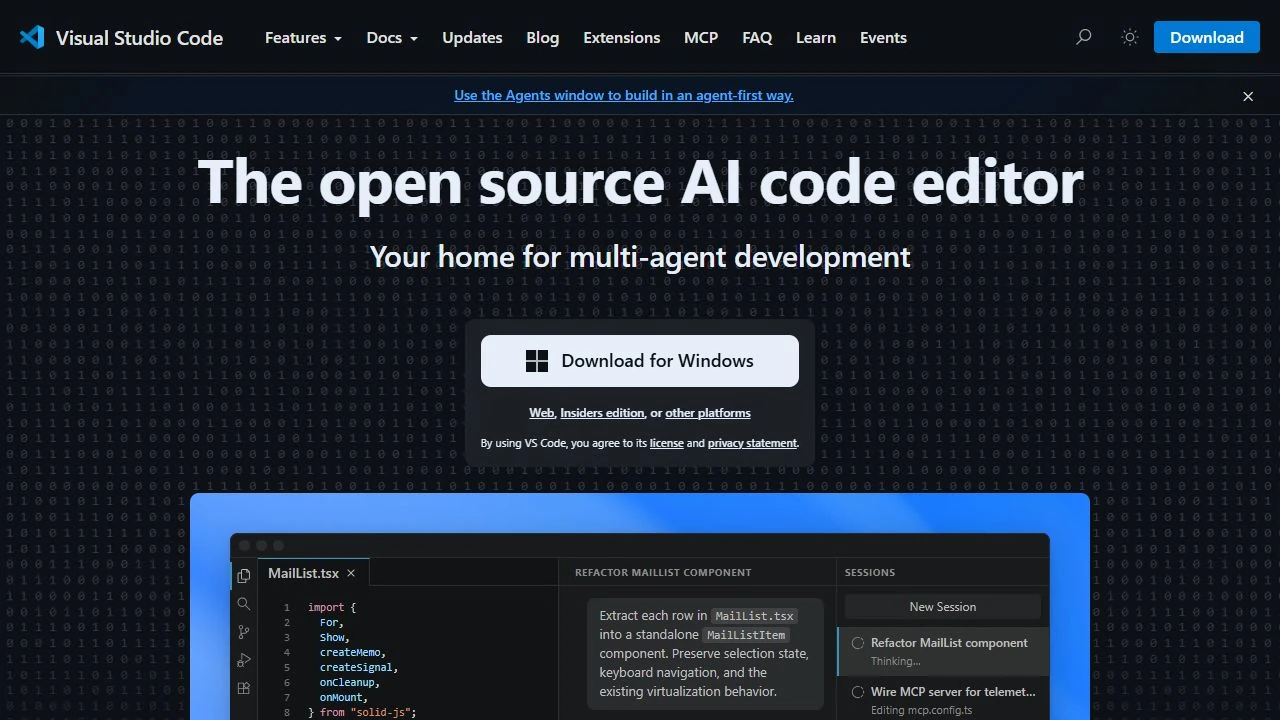
Why Choose It? VS Code is still the safest first pick because nearly every language, framework, cloud platform, and developer tool supports it. It has a huge extension library, built-in Git, debugging, a terminal, remote SSH, containers, WSL workflows, and strong documentation.
- Best fit: Web, Python, Go, Rust, PHP, C, C++, JavaScript, TypeScript, Docker, and remote server work
- Install choices: Official .deb package, Microsoft apt repo, or official Snap
- Extension depth: The broadest ecosystem of any editor on this list
- Trust note: The official Microsoft build is free, but not the same as a fully open source community build
Install Command:
Best For: Users who like VS Code’s interface but want a community build without Microsoft branding or default telemetry
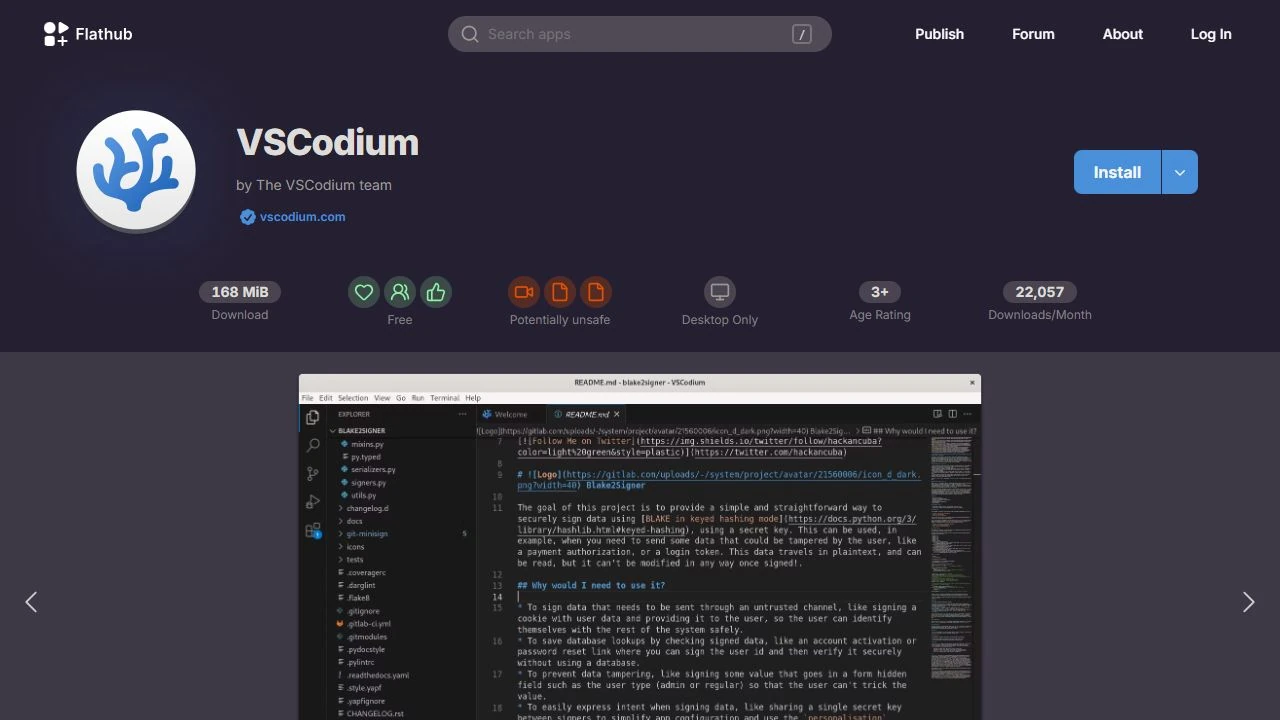
Why Choose It? VSCodium builds from the open source VS Code codebase and removes Microsoft branding, licensing changes, and default telemetry. It feels familiar if you already know VS Code, while fitting better for users who prefer open source builds.
- Best fit: Privacy-minded developers, open source users, and VS Code fans who want a community build
- Install choices: GitHub .deb releases, Flatpak, and community repositories
- Extension note: Some Microsoft marketplace features may differ from official VS Code
- Maintenance: Current releases track upstream VS Code builds closely
Install Command:
Best For: Developers who want a fast, clean editor with collaboration and optional AI features built in
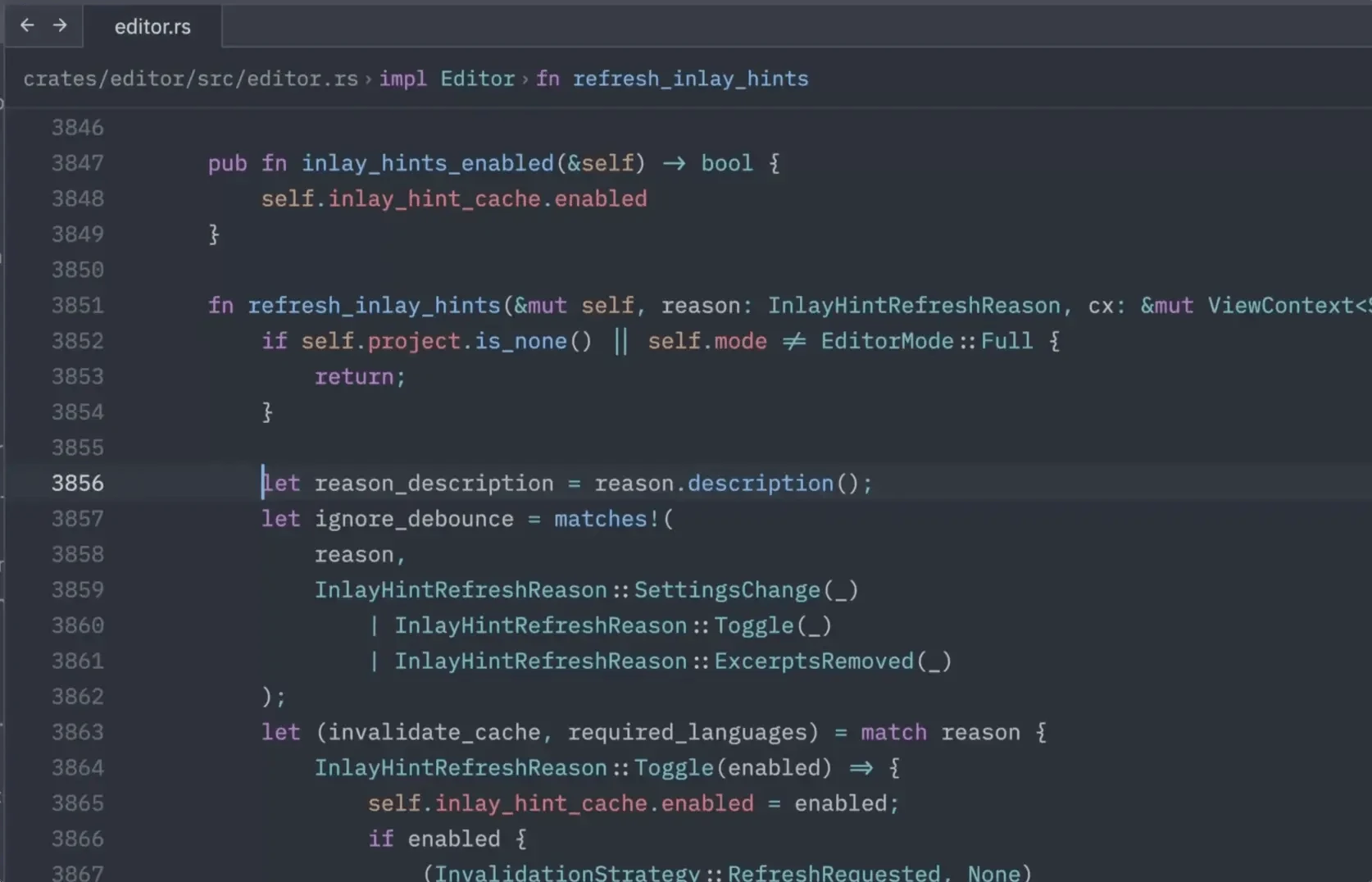
Why Choose It? Zed is one of the strongest new Linux code editors. It is built for speed, has a tidy interface, supports language servers, includes real-time collaboration, and now has a practical Linux install path for Ubuntu users.
- Best fit: Developers who want something faster and simpler than heavy Electron-style editors
- Linux support: Official install script supports Ubuntu and other common Linux distributions
- Hardware note: Zed works best with a Vulkan-compatible GPU
- Caution: The ecosystem is younger than VS Code, so check your must-have extensions first
Install Command:
Best For: Developers who want a polished, fast editor with excellent multi-file editing and a long track record
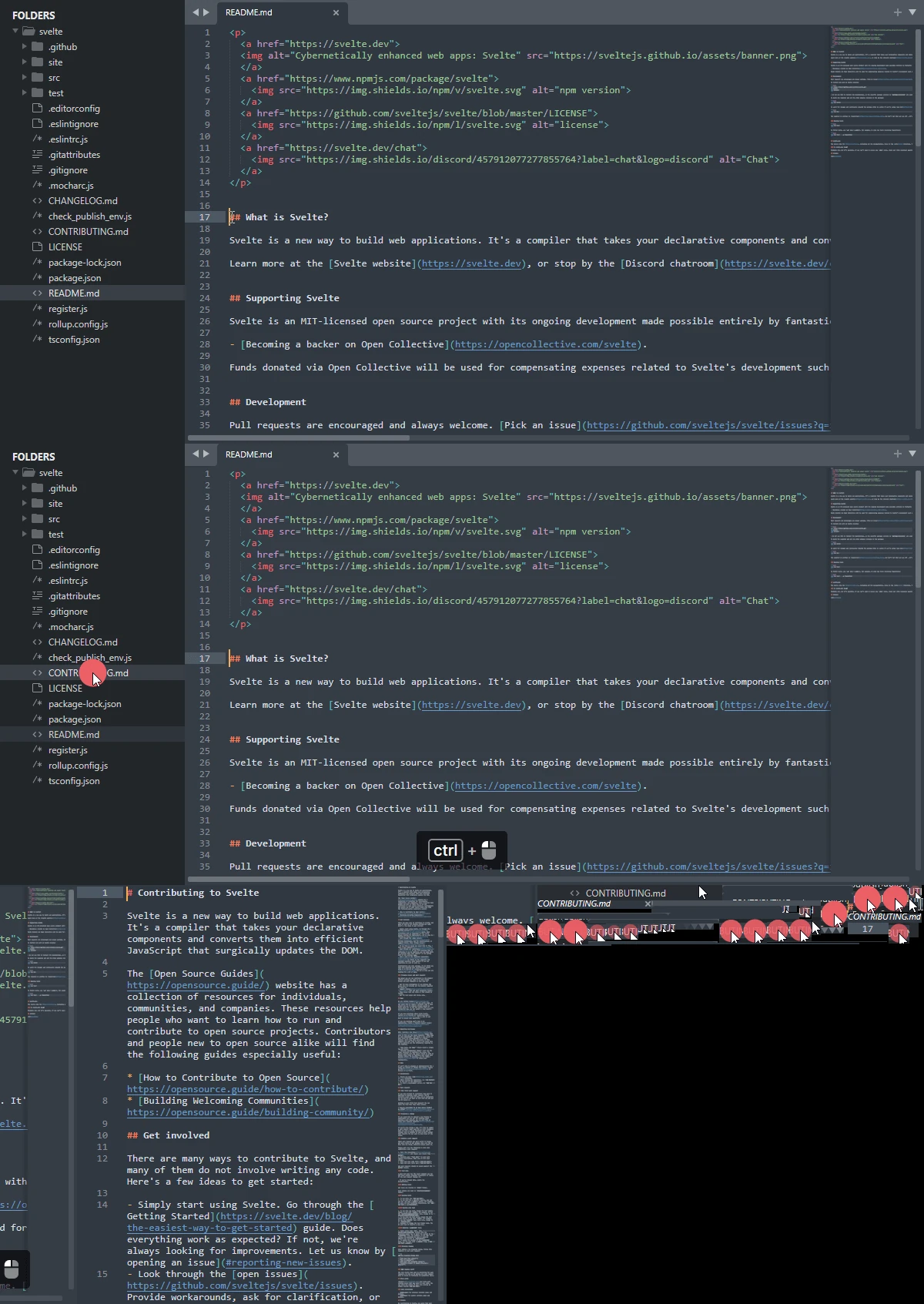
Why Choose It? Sublime Text is still one of the fastest graphical editors on Ubuntu. It handles large files well, opens quickly, has great search, multiple selections, a strong command palette, and a mature plugin system.
- Best fit: Large files, quick edits, mixed-language projects, and users who value speed
- Install route: Official apt repository with a modern keyring setup
- License note: Free to evaluate, paid license for continued use
- Trust note: Closed source, but mature and widely used
Install Command:
echo -e ‘Types: deb\nURIs: https://download.sublimetext.com/\nSuites: apt/stable/\nSigned-By: /etc/apt/keyrings/sublimehq-pub.asc’ | sudo tee /etc/apt/sources.list.d/sublime-text.sources
sudo apt update
sudo apt install sublime-text
Native Linux Desktop Editors
These editors feel at home on Linux desktops. They are good choices if you want tools that integrate well with Ubuntu, KDE Plasma, GNOME, or classic lightweight desktop setups.
Best For: Ubuntu and Kubuntu users who want a powerful open source desktop editor without adopting a full IDE
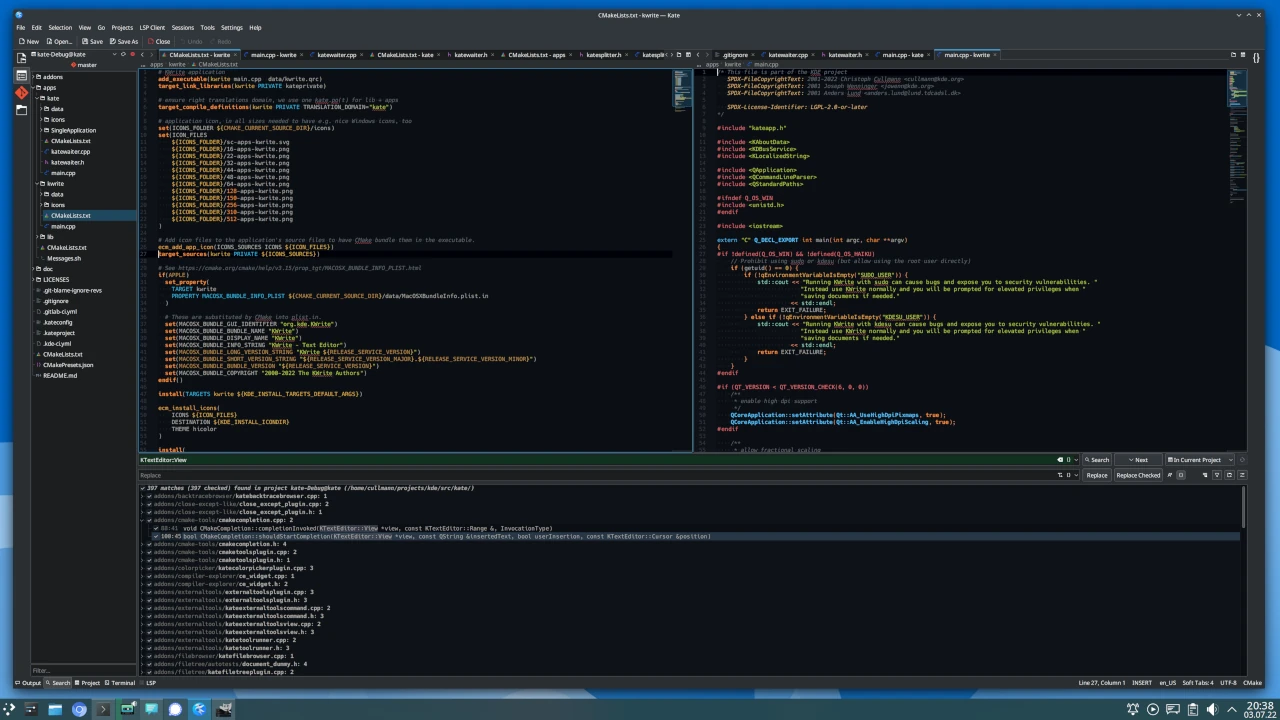
Why Choose It? Kate is one of the best open source code editors on Linux. It supports many languages, split views, sessions, a terminal panel, Git features, projects, plugins, and a command palette while staying lighter than many IDEs.
- Best fit: KDE users, shell scripts, Python, web files, config files, and multi-file editing
- Install choices: Ubuntu apt, Flatpak, Snap, and AppImage options
- Strength: Mature, native, open source, and actively maintained by KDE
- Note: On GNOME Ubuntu, Kate may pull in KDE libraries, which is normal
Install Command:
sudo apt install kate
Best For: Quick edits, config files, notes, and simple scripts on the default Ubuntu desktop
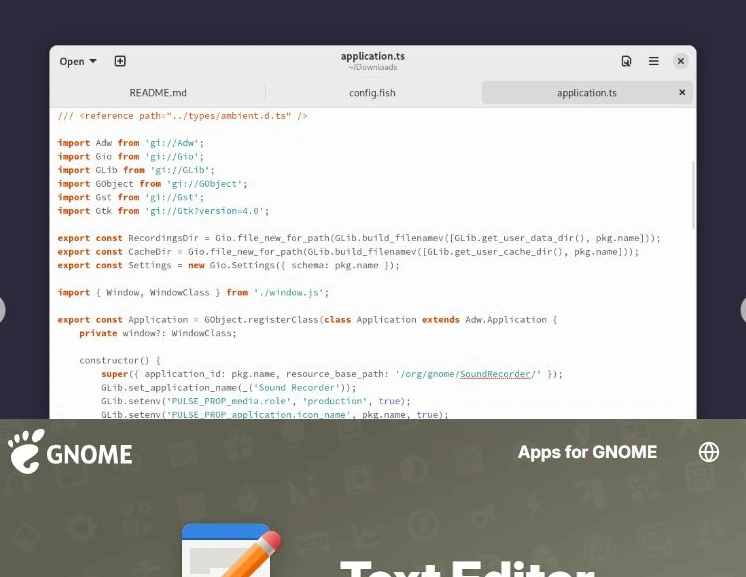
Why Choose It? GNOME Text Editor is not trying to replace VS Code or Neovim. It is here because Ubuntu users still need a clean, fast editor for small files, notes, scripts, and quick config changes. It supports syntax highlighting and fits the GNOME desktop well.
- Best fit: Simple edits, Markdown notes, config files, shell scripts, and plain text
- Install choice: Usually already available on GNOME-based Ubuntu systems
- Latest route: Flathub has the newest upstream GNOME release
- Limit: Not a project IDE, debugger, or extension-heavy editor
Install Command:
Best For: Older computers, quick programming tasks, and users who want a simple GUI editor with useful coding features
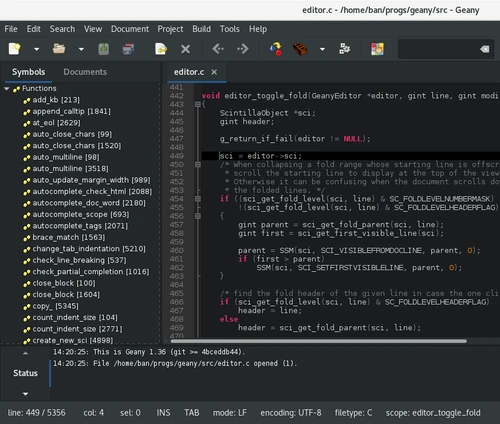
Why Choose It? Geany is a practical editor for people who want code features without a heavy app. It opens quickly, supports many languages, has a symbol list, build commands, plugins, and enough project support for small to medium work.
- Best fit: C, Python, scripts, small web projects, classroom machines, and low-resource desktops
- Install route: Ubuntu Universe package, with a PPA available for newer builds
- Strength: Simple, fast, stable, and not tied to a large extension marketplace
- Limit: Not as feature-rich as VS Code, Zed, or full IDEs
Install Command:
sudo apt install geany
Best For: Developers building GNOME, GTK, Flatpak, C, Python, Rust, and Vala apps on Ubuntu
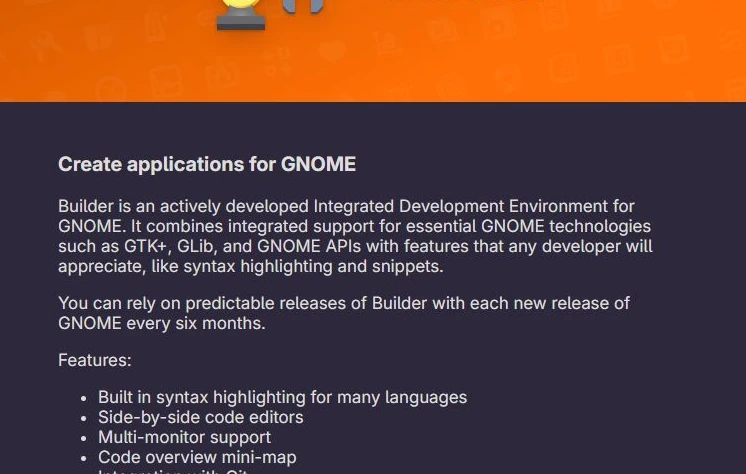
Why Choose It? GNOME Builder is more focused than a general text editor. It is excellent if you are building Linux desktop apps because it understands GNOME libraries, Flatpak runtimes, Meson, CMake, Cargo, Git, debugging, profiling, templates, and language servers.
- Best fit: GNOME apps, GTK4, Flatpak workflows, C, Rust, Python, Vala, and Meson projects
- Install route: Flathub is the cleanest path for the current GNOME release
- Strength: Native Linux app development tools in one place
- Limit: Too specific if you only need a normal web or scripting editor
Install Command:
Terminal Code Editors
Terminal editors are best if you work over SSH, edit server files, or prefer keyboard-driven coding. They take more learning, but they are powerful once the setup fits your hands.
Best For: Terminal users who want a modern Vim-style setup with language servers, plugins, and fast keyboard control
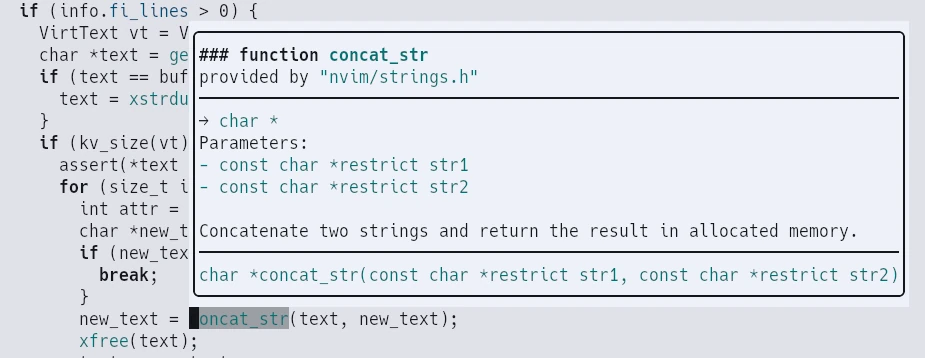
Why Choose It? Neovim keeps Vim’s speed and keyboard style, then adds a cleaner plugin model, built-in terminal support, Lua configuration, and strong language server support. It is one of the best choices for developers who edit locally and over SSH.
- Best fit: Terminal-first developers, remote server work, custom workflows, and users who like modal editing
- Install choices: Ubuntu apt, Snap, Flatpak, AppImage, tarball, or source
- Tip: Use the official AppImage or Snap if the Ubuntu repository version is older than your plugin setup requires
- Learning curve: High at first, but very efficient after practice
Install Command:
Best For: Developers and sysadmins who want a proven terminal editor that is available almost everywhere
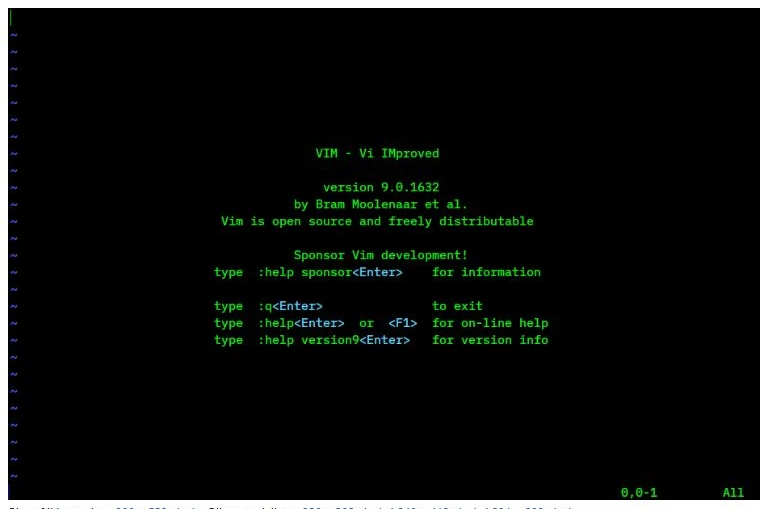
Why Choose It? Vim remains useful because it is fast, stable, scriptable, and available on nearly every Linux machine. It is the editor you can rely on inside a terminal, over SSH, or on a minimal server where graphical tools are not installed.
- Best fit: Server edits, shell scripts, config files, Git commit messages, and minimal environments
- Install route: Ubuntu apt package for the full Vim build
- Strength: Fast, durable, and easy to find on Linux systems
- Note: Neovim is usually the better choice for a modern plugin-heavy coding setup
Install Command:
Best For: Users who want an editor they can shape into a writing, coding, notes, email, and project system
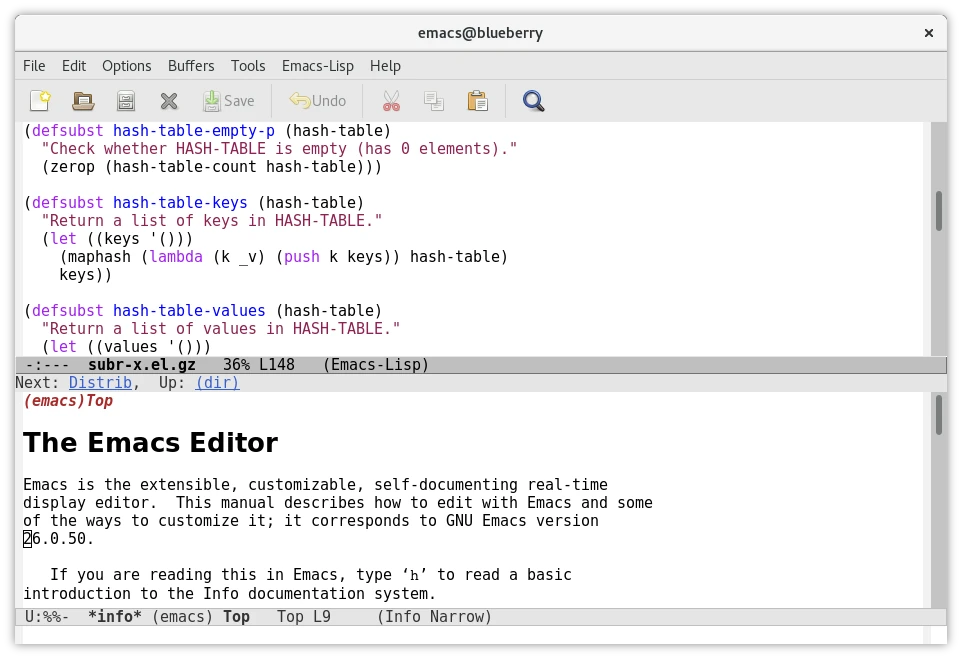
Why Choose It? Emacs is not just a code editor. It is a deeply customizable environment for coding, writing, project notes, shells, Git, org-mode, and more. It rewards users who want to build a personal workflow around one tool.
- Best fit: Lisp, Python, C, prose, org-mode notes, long-lived personal workflows, and keyboard-driven users
- Install route: Most Linux distributions provide Emacs in their repositories
- Strength: Extreme customization and decades of community packages
- Learning curve: High, especially if you are coming from VS Code-style editors
Install Command:
Best For: Terminal users who want modal editing, built-in language server support, and fewer plugins to configure
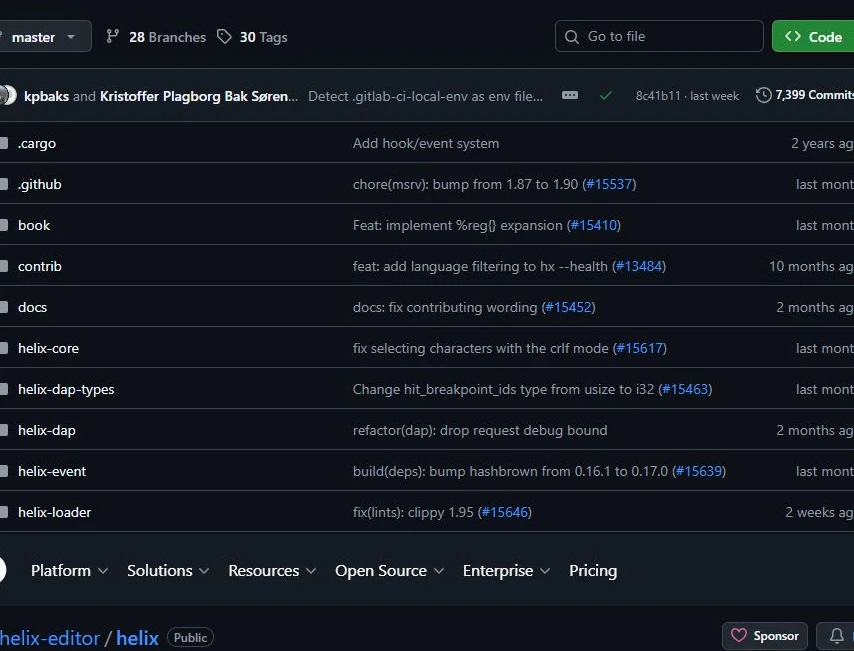
Why Choose It? Helix is a modern terminal editor inspired by Vim and Kakoune. It includes tree-sitter syntax highlighting, multiple selections, and built-in language server support, so you get many modern coding features without building a large plugin setup first.
- Best fit: Terminal editing, Rust, Go, Python, web code, and users who like modal workflows
- Install choices: Flatpak, Snap, AppImage, prebuilt binaries, or source
- Strength: More built-in features than a plain Vim setup
- Note: You still need language servers installed for the languages you use
Install Command:
Lightweight and Specialist Editors
These editors are worth knowing if you want something smaller, newer, or more niche than the usual VS Code and Vim choices.
Best For: Users who want to try a fast open source Rust-built editor with a lightweight feel
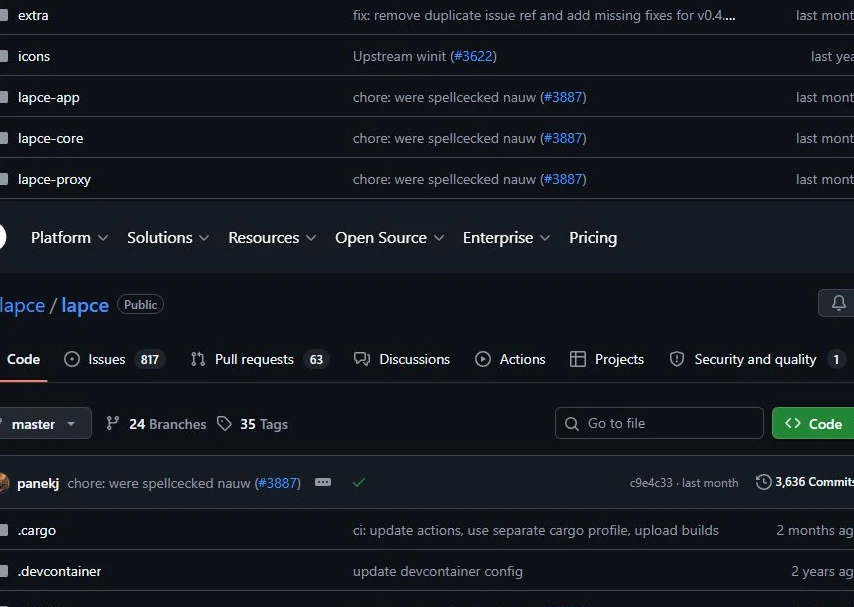
Why Choose It? Lapce is still interesting because it aims for a fast native-feeling editor with plugin support, modal editing, a built-in terminal, and language server support. It is not as mature as VS Code or Kate, but it is active enough to keep on the list as a newer option.
- Best fit: Users testing newer open source editors, Rust fans, and people who want a fast GUI
- Install route: Download the Linux release from GitHub
- Strength: Fast, open source, and still actively developed
- Note: Treat it as a promising alternative, not the safest default editor
Install Route:
Best For: Users who want a tiny, fast, scriptable desktop editor with a clean interface
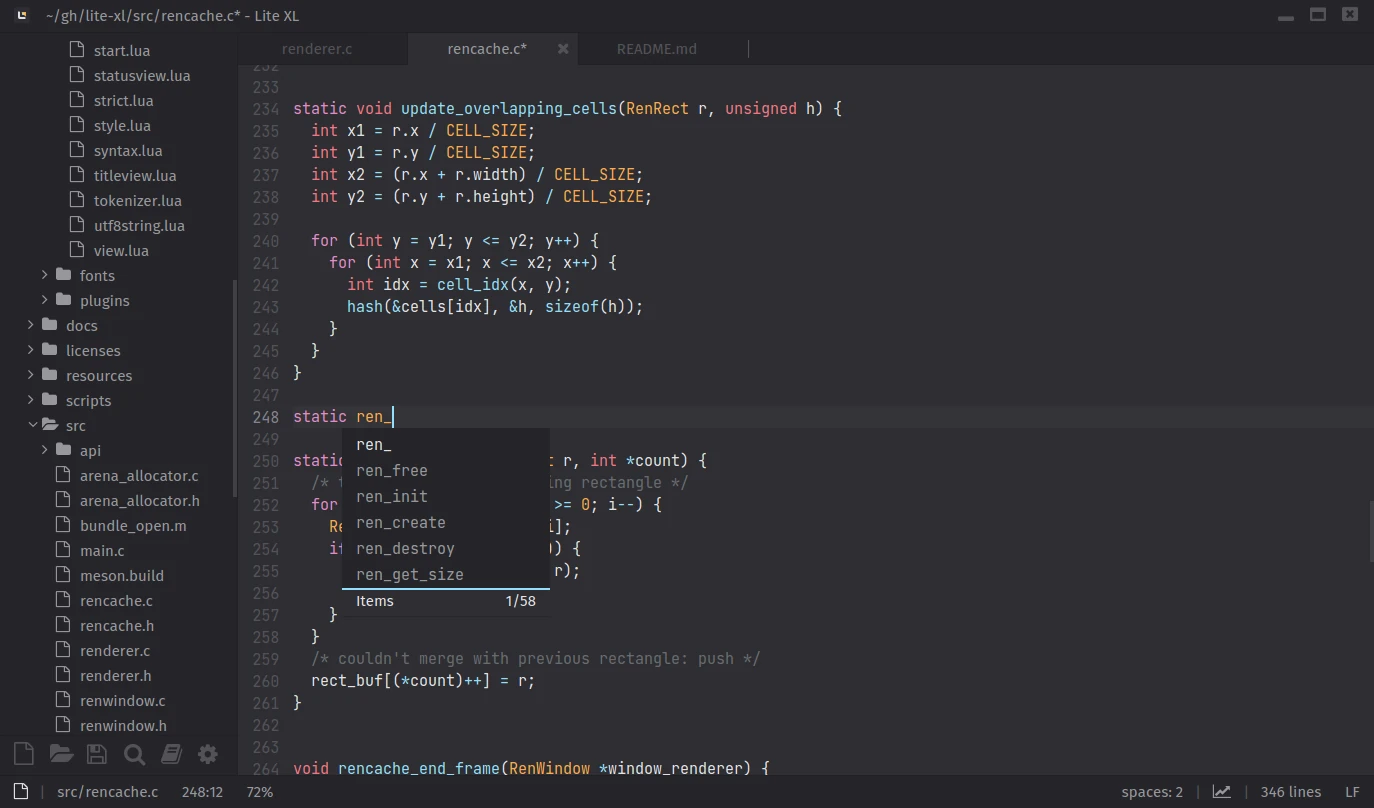
Why Choose It? Lite XL is small, fast, and easy to customize. It uses Lua for scripting, supports tabs, splits, themes, plugins, and runs well on modest hardware. It is a good pick if you want a light editor that is more modern than older minimal tools.
- Best fit: Lightweight desktops, quick edits, Lua customization, and users who dislike heavy editors
- Install route: Official releases, package managers, or source builds
- Strength: Very small footprint compared with Electron-based editors
- Limit: Smaller ecosystem than VS Code, Sublime Text, or Vim
Install Route:
Best For: Former Atom users who want an actively maintained community continuation
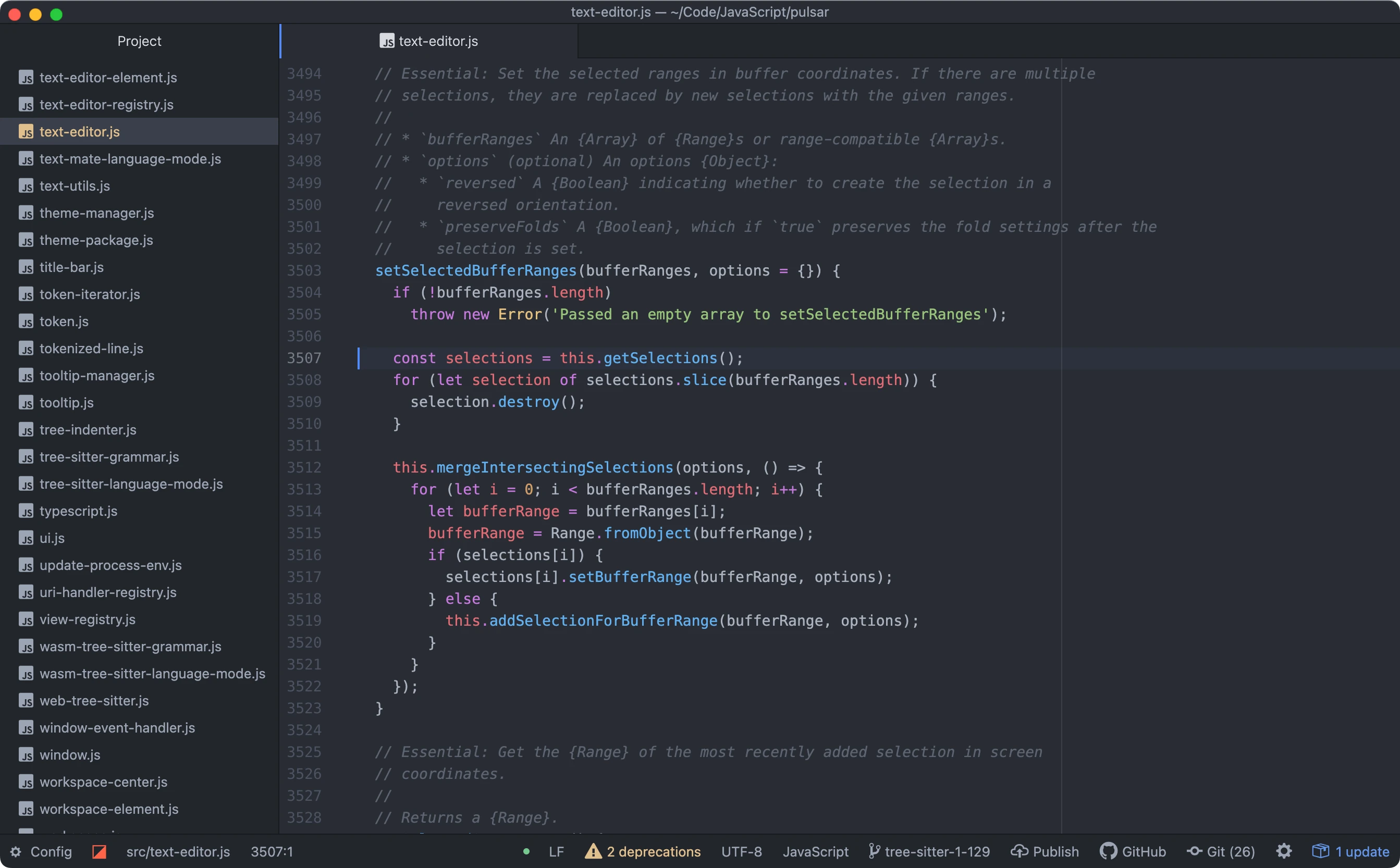
Why Choose It? Pulsar continues the Atom idea with a community-led editor that supports packages, themes, and a hackable desktop workflow. It is not the best default choice for everyone, but it is the right modern replacement if you were looking for Atom on Ubuntu.
- Best fit: Atom fans, package-based customization, and users who want the old hackable editor feel
- Install choices: Official .deb, AppImage, tarball, and community package options
- Strength: Active community successor to Atom
- Note: Pick VSCodium, Zed, Kate, or Sublime Text first unless you specifically want the Atom-style workflow
Install Command:
Best For: Users who want a terminal editor that feels easier than Vim or Emacs
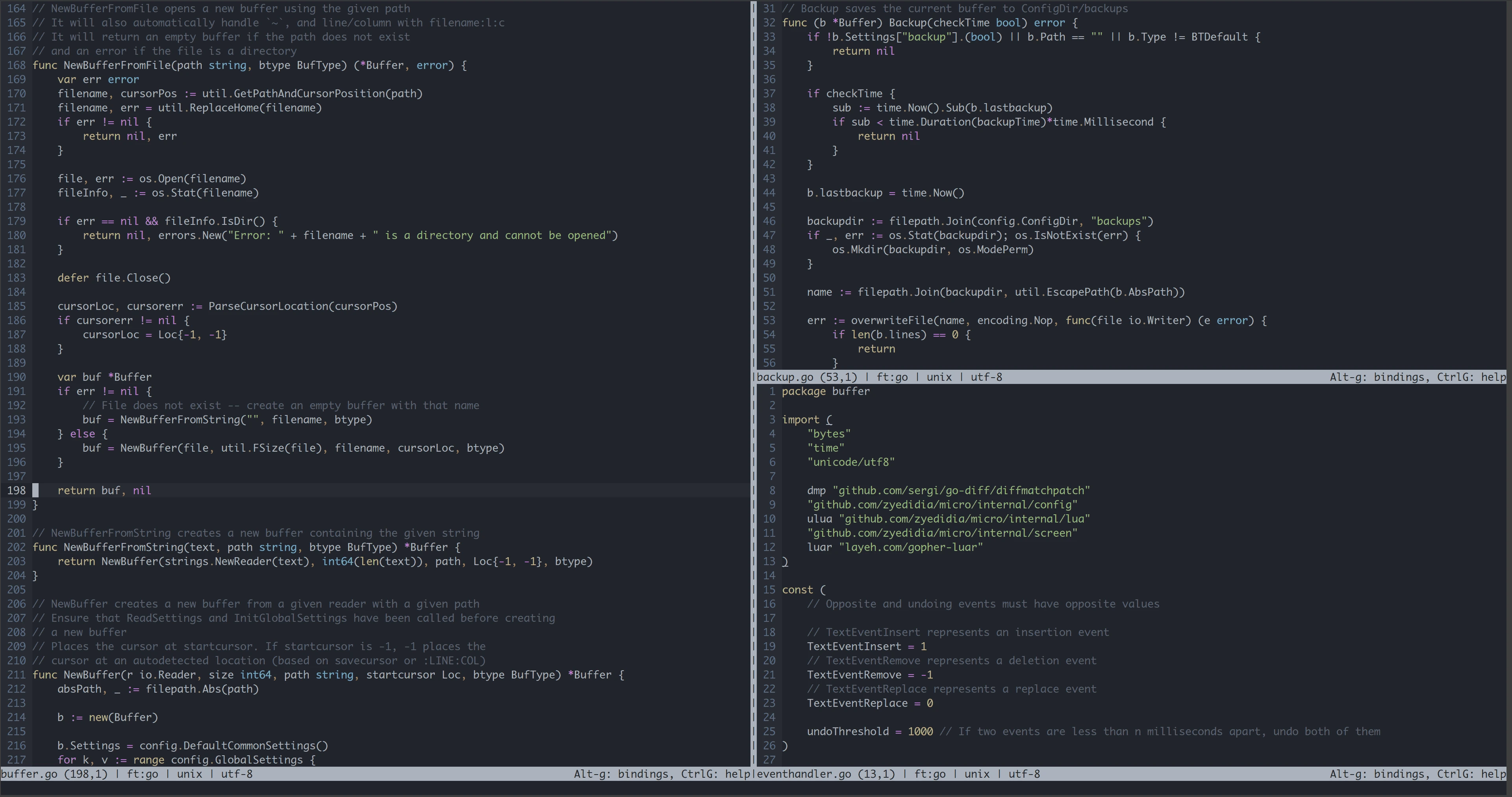
Why Choose It? Micro is a friendly terminal editor. It uses familiar shortcuts, supports syntax highlighting, mouse support, split panes, tabs, plugins, and JSON configuration. It is a good bridge between graphical editors and full terminal setups.
- Best fit: Quick terminal edits, SSH sessions, new Linux users, and people who find Vim too much at first
- Install choices: Ubuntu apt package or Snap package
- Strength: Friendly defaults and familiar keyboard shortcuts
- Limit: Less powerful than Neovim or Emacs for complex development setups
Install Command:
Code Editor Comparison
| Editor | Best For | Main Install Route | Open Source |
|---|---|---|---|
| VS Code | Most developers | Official .deb / Snap | Source base is open, official build has Microsoft additions |
| VSCodium | VS Code-style open source setup | Flatpak / .deb | Yes |
| Zed | Fast modern editing | Official script | Yes |
| Sublime Text | Speed and large files | Official apt repo | No |
| Kate | Native Linux desktop editing | apt / Flatpak / Snap | Yes |
| Geany | Lightweight GUI editing | Ubuntu apt | Yes |
| Neovim | Terminal coding | apt / Snap / AppImage | Yes |
| Helix | Modern modal terminal editing | Snap / Flatpak / AppImage | Yes |
If you are setting up a fresh Ubuntu workstation, pair your editor with a few core development tools from our best Ubuntu software guide. If you are choosing a whole Linux setup for programming, our best Linux distros for developers guide is a useful next read. For container-based work, see our Docker on Ubuntu install guide.
Frequently Asked Questions
What is the best code editor for Ubuntu?
Visual Studio Code is the best code editor for most Ubuntu users because it has the largest extension library, built-in Git tools, a terminal, debugging, remote SSH support, and official Linux packages. VSCodium is the better choice if you want a similar editor without Microsoft branding and telemetry.
What is the best open source code editor for Ubuntu?
VSCodium, Kate, Geany, Neovim, Vim, Emacs, Helix, GNOME Builder, Lapce, Lite XL, and Pulsar are strong open source choices. VSCodium is the easiest VS Code-style option, Kate is the best native desktop editor, and Neovim is the best terminal editor for users who want a keyboard-driven setup.
What is the best lightweight code editor for Ubuntu?
Geany is the best lightweight graphical code editor for most Ubuntu users. It opens quickly, works well on older computers, supports many languages, and installs from Ubuntu’s normal repositories. Lite XL is also very light, but it is better for users who enjoy customizing their editor with Lua.
Should I install VS Code with Snap or the .deb package on Ubuntu?
Both methods work, but the official .deb package is usually the better choice for developers who want normal system integration and updates through apt. The Snap package is easier to install with one command, but some users prefer the .deb package for fewer sandbox surprises.
Is Zed a good code editor on Ubuntu?
Yes, Zed is now a serious option on Ubuntu if you want a fast modern editor with a clean interface, built-in collaboration, and optional AI features. It is still newer than VS Code, Sublime Text, Kate, and Vim, so it may not have every extension or workflow you already rely on.
Is Atom still worth installing on Ubuntu?
No. Atom should not be installed on a new Ubuntu setup because the official Atom project was sunset and archived. If you liked Atom’s style, Pulsar is the active community successor, while VSCodium, Zed, Kate, and Sublime Text are better daily recommendations for most users.
Are Cursor and Google Antigravity good Ubuntu code editors?
Cursor and Google Antigravity are worth watching, but they should be treated as AI-first development tools rather than general code editors. Cursor has Linux downloads and can be useful if you want AI coding features. Google Antigravity is newer and more agent-focused, so it fits better in a separate AI editors guide than in a general Ubuntu code editor list.